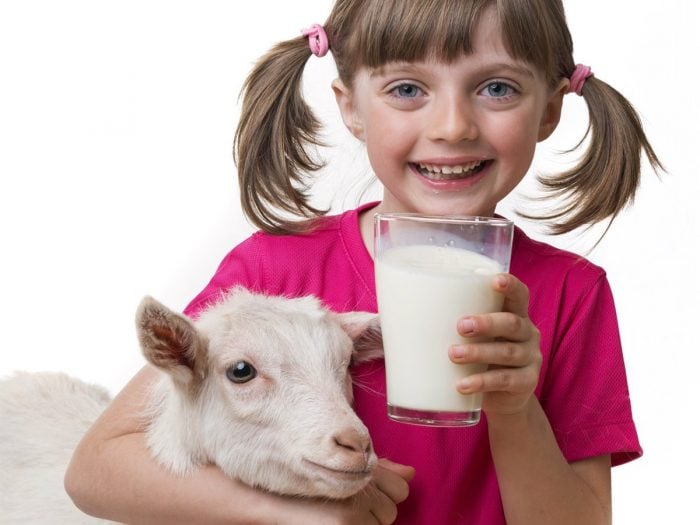
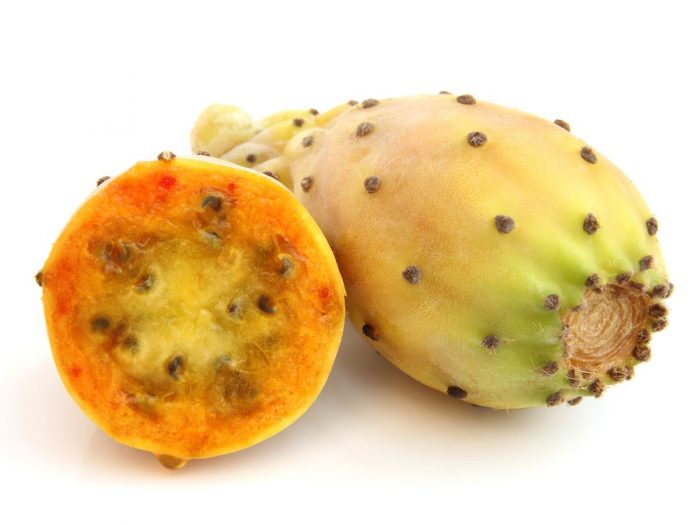
Wednesday, January 27, 2016

Tricks for Rapid Weight Loss


===============================================================================================================================================
One of the most important components of any weight-loss program is speed. If the time frame of a program is too long, no matter how effective it ultimately is, it will be much harder to stick to and useless in terms of meeting urgent goals. If you're trying to lose weight as fast as possible, make sure you're familiar with these tips.

Count Calories

If you're dieting without recording or measuring your caloric intake, you may feel like you're eating less, but you may actually be eating more. Further, even if you're eating less by volume, you may be consuming more calories. The best way to avoid these pitfalls is by researching the nutritional information for all your foods in order to form an accurate picture of your caloric intake.

Use a basal metabolic rate calculator to determine the number of calories necessary to maintain your current body weight. Then, using your knowledge of the relevant nutritional information, edit your diet to include between 500 and 1,000 fewer calories than your basal metabolic value. Since 3,500 calories is equivalent to a pound of fat, this range will allow you to lose between one and two pounds of fat per week, says MayoClinic.com.

Cheat on Occasion

Many dieting enthusiasts feel that dieting is tantamount to quitting a food addiction, meaning that any relapse represents total failure. In reality, however, an occasional "relapse" will help your cause. Once your body adapts to a newly-imposed caloric deficit, it will adjust your metabolism appropriately to compensate for the caloric difference, slowing your weight loss significantly.

This is an evolutionary mechanism designed to prevent starvation, but it can be avoided by tricking your body with a weekly cheat day. One day per week, increase your caloric intake so that its as high or even higher than before you started your diet; this will prevent your body from fully adjusting, keeping your rate of weight loss more consistent, according to "The Carb Cycling Diet" by Roman Malkov, M.D.

Beware of Fruit

Fruit has a well-earned reputation as an especially healthy food group; indeed, fruit does contain many essential vitamins and minerals. However, it is important to remember that fruit also contains a great deal of sugar in the form of fructose.

This is not to say that fruit should be avoided on a diet, but certain types are worse than others. Watermelon, for instance, has a glycemic index higher than that of pure sugar, which means that it is even worse than pure sugar in terms of 

Tuesday, January 26, 2016

How Many Calories Should I Eat to Get a Six Pack?


================================================================================================================================================
Six-pack abs are considered by many to be the epitome of health and physical appeal. Getting that muscular, defined look for your belly requires a combination of a healthy, low-calorie diet, cardio exercise and strength training, focusing on the abdominal muscles. How many calories you need to consume will depend on your basic daily needs and how much you exercise, in addition to how much weight you need to lose. Consult a doctor before beginning any exercise or weight-loss regimen.

Calories

You need to consume a certain number of calories every day to sustain basic bodily functions, such as breathing and cell production. This number is referred to as your basal metabolic rate, or BMR. In addition to your BMR, the number of calories you need to maintain your weight will be determined by your amount of activity. For example, a 31-year-old sedentary female should consume 1,800 calories a day to maintain her weight, according to the U.S. Department of Agriculture. If she is active, her caloric needs go up to 2,200 a day. If you need to lose weight, you will need to create a calorie deficit by expending more calories than you consume.

Weight Loss

If you have extra fat in the abdomen, you will need to reduce it before you can start to see the muscles beneath. Abdominal exercises will tone the muscles, but they won't get rid of fat any faster. The only way to get rid of the fat is to focus on an overall weight-loss program. It takes an excess expenditure of 3,500 calories more than you take in to lose 1 lb. of fat. The best way to do that is by following a healthy, low-calorie diet and exercising. Keep track of your caloric expenditure and consumption in a journal to help keep you focused.

Diet

While watching calories is the key to weight loss, eating a healthy diet will help keep the fat off and provide you with the nutrition and energy you need to work out. According to "Newsweek," foods such as tart cherries, whole grains, monounsaturated oils -- such as olive oil -- and nuts and seeds can help lead to a flatter belly when consumed in moderation. Lean meats and plenty of fresh fruits and vegetables should also be consumed. Avoid foods high in fats and trans fats, added sugar and cholesterol.

Cardiovascular Exercise

A consistent cardiovascular regimen can help you get washboard abs, according to personal trainer and health expert for Military.com, Stew Smith. Walk, run, bike or swim four to five times a week, 30 to 45 minutes a day. Work at enough intensity that you sweat and increase your heart rate. Start slowly if you are just beginning to exercise or have not exercised in a year or more. Walk for 20 to 30 minutes at a time, and then gradually work your way up to more vigorous activity.

Abdominal Muscles

Crunches and advanced crunches will work the majority of the abdominal muscles and should be done when just starting out. Hanging kneeups, cross-over crunches and hip rollers -- twisting to both sides keeping your shoulders on the floor and staying in the bent-knee position when rotating left and right -- should also be included and will provide variety and keep the muscles from burning out. Once you have built up some strength, add situps to your routine. Start by doing each exercise 10 repetitions at a time, and gradually work your way up to more. Do exercises for the abdomen every day, but rest for a day if your muscles are sore.

Strength Training

In addition to your abdominal workout, perform a workout for all the major muscle groups -- chest, triceps, biceps, hamstrings, quadriceps and back -- at least twice a week on non-consecutive days. Do one set of eight to 12 repetitions for each muscle. For example, do one set of bench presses or pushups to work the chest muscles. Working the back muscles along with the abdominal muscles keeps the body in balance and helps maintain proper posture. Building lean muscle in the rest of the body boosts the metabolism, and builds endurance and strength.

How a Busy Individual Can Shed Fat Really Quickly

The truth is, in the world that we live in today, people are busier than ever before. There just doesn’t seem like we have enough hours in a single day to get everything that we want to get done sorted out and handled. The busier we get, the more we are prepared to sacrifice our health. We simply feel that we don’t have a choice.
However, those that really want to lose weight and get into better shape should know and understand that it is actually possible, if you are prepared to make a few simple sacrifices.
I honestly believe that anyone can be fit and healthy if they are prepared to implement a few solid lifestyle changes into their routines. However, you should also know that it won’t be easy and will require that you do the work. Scams like weight loss pills do not end in sustainable or healthy results, so it is best to avoid them.
Follow the tips below to get fantastic weight loss results fast!

Remove All Bread From Your Diet

Seriously, if the only thing you implement is this one tip then it will be enough for you to lose the vast majority of the weight you are carrying with great ease. The biggest cause and reason people are overweight these days is because they consume too much bread.
You will literally begin to lose weight overnight the moment you cut out the bread. The results might be so good that you will decide never to touch bread again.

Don’t Overeat

Yes, most people out there simply eat too much when it’s meal time. This is a problem that we all need to work on. If you start to become a conscious eater who actually pays attention to the food that they put in their mouth, then you will begin to eat far less.
weightloss

You should also start to eat a lot slower. Try to actually enjoy the food that you put in your mouth. Your appreciation for food will go up, but you will also lose a lot of weight really fast.
Another really effective tip to help you eat less is to start putting your meals onto smaller plates. This way you will be forced to eat far less than you are used to doing right now and you will have to make a conscious choice to fill up your plate again, which your self-control should take care of.

Stick To Drinking Water

Water is the best way to ensure that you lose a great deal of excess fat that is on your body. Sugary drinks that are calorie-dense need to be avoided at all costs. The first reason is the fact that drinking them will prevent you from eating real, healthy meals. Secondly, while drinks like Coke and Red Bull may seem harmless, over time they will result in you packing on a lot of ugly fat.
The best way to avoid packing on any more unwanted fat and losing what you already have on you is to drink water whenever you feel thirsty.

Dig Deep For Real Motivation

The vast majority of people that actually want to lose weight in the first place want to do so because they want to look great when they take their shirt off.
Looking great naked is an admirable reason to lose weight, and that goal will help you to get started on your weight loss journey. However, in most cases, it won’t be enough to help you keep going when the times get tough. There will be times when you just don’t want to eat healthy and the only way to keep yourself on track is to have sincerely deep reasons for why you want to shed the fat.
So the best use of your time will be to actually sit down and figure out the inner convictions and reasons that you want to lose weight? For me, it was to be healthy and live a longer life so I could see my children grow up.

Snacking

The people who live in the West have literally become a nation of continuous eaters. Regardless of how busy we are, it seems that we can’t let a moment pass without grabbing some sort of junk and putting it in our mouths.
If you really want to lose weight fast, then you must stop snacking on junk foods. It’s not doing your body any good. If, on an occasional basis, you do happen to snack on something, make sure that it’s a tiny portion. Don’t gorge on junk foods without breathing like so many other people do.
I have noticed that those people who pay attention to what they eat throughout the day are the people that consume far less junk than those simply gorging on whatever comes their way.

Eat a Healthy Lunch

For us busy people, lunch time can be somewhat challenging. We are usually engrossed in our work at that time and subsequently end up eating whatever is near to us at that time, if anything at all.
Here are a couple of tips that you can implement to change that:
  • For those of you that make packed lunches, you should stop buying the bad, unhealthy ingredients and start purchasing more healthy items that you can make your lunches with. Instead of making sandwiches or pasta, try to make nice big salads that you can munch on while you’re at work. It’s simple, easy, and great to eat.
Believe me, not only does a healthy meal take less time to prepare, but you will feel a lot better and become a lot more productive as a result. I’d imagine you’d rather have this feeling than feeling fat and bloated after gorging on a big bowl of pasta.
  • Those of you that eat out when at work should opt to order more healthy options rather than the greasy fast foods that you normally eat. A salad instead of a sandwich is better for you and is something that you should work towards!
At the end of the day, I honestly believe that being busy is just an excuse for you to not take any action. Simply implement the tips that I shared above and pretty soon, you will be in the most incredible shape of your life. It really couldn’t be any simpler.

AUTHOR BIO:

If you love reading about various different health topics then be sure to check out Thomas Mullet’s writing on things like the kidney diet and the renal diet.

Monday, January 25, 2016

7 Foods that Keep You From Overeating

The Chinese have a saying: Eat only until you are 70 percent full. The trouble is, many of us can’t resist that last 30 percent. Fortunately, there are foods we can enjoy that prevent us from overeating (something most of us fall victim to, especially around the winter months). But now that the holidays have passed and we’ve recovered from “weight scale” shock, it’s time to address the problem. Here are seven foods that will help.
  • Cappuccino Instead of Candy. Skip the lunchtime candy bar and reduce those hunger cravings with a cappuccino. As noted in PubMed, aerated, foam-based drinks can reduce your appetite, and trick your brain into feeling fuller. Sugary foods, on the other hand, can make you feel hungrier.
  • Hummus to Reduce Hunger. Hummus is packed with protein and pairs well with fiber-rich vegetables. Combining hummus with veggies like snap peas, carrots or celery will make you feel fuller, so you’ll eat less at lunch or dinner. In a WebMD feature archive, Mark Gold, MD, at the University of Florida noted that the higher the fiber and protein content of a food or meal, the more likely your stomach will be satisfied.
  • Avocados Help Suppress Appetite. Avocados eaten in moderation can help regulate your hunger hormones. The Nutrition Journal reported a study that eating half a fresh avocado with lunch reduced the desire to eat for hours afterward.
  • Popcorn Cancels Appetite. Air-popped corn can make you feel full without adding lots of calories. Skip the butter or margarine and instead try nutritional yeast and lime juice. The air-injected snack fights the urge to snack on chips, cookies, ice cream and other high calorie snacks.
  • Beat the Urge with Bananas. To beat the blues and stresses of today’s fast-paced living, pack some bananas for lunch. The sugar in this healthy fruit will keep you from those high calorie vending machine snacks.
  • Reach for the All-Bran Cereal. WebMD also notes that researchers at the University of Sydney indicated a number of foods that make people feel full. Among the foods that scored highest was all-bran cereal. So if you feel the need to snack at home or at office, fill a bowl of all-bran cereal with skim milk to satisfy those midday hunger pangs. An article inPrevention points to a Journal of American Dietetic Association that links lower body mass index with a high fiber intake.
  • Choose High-Fiber Fruits. Apples and oranges are high in fiber, water content and protein. All these ingredients help satiate your hunger and reduce your tendency to overeat. Prevention notes that you should “munch on fiber all day long.”

Reasons you should be drinking water from a copper vessel

When we store water in a copper vessel, the copper smoothly leaches into the water and offers all its positive properties. Read on to know more what these health benefits are.
  • 1

    Storing water the right way

    You quiet must be remembering, the moment when our mothers stored water in a copper vessel and asked us to drink water from it after 7-8 hours. Ayurveda suggests to drink water from copper vessels because copper is assumed to have anti-microbial, antioxidant, anti-carcinogenic and anti-inflammatory properties. It’s an essential mineral for our body and medical studies have also proved the benefits of drinking water that are consumed from copper jugs.


  • 2

    Aids digestion

    Gas, acidity or the lack of ability to digest certain foods is common and here is where copper comes in. Copper accompanies properties that stimulate peristalsis (the rhythmic relaxation and contraction of the stomach that helps digest food and move along the digestive tract), execute harmful bacteria and lessen inflammation within the stomach, making it a great remedy for ulcers, indigestion and infections. Copper also aids in cleaning and detoxing your stomach and regulating your liver and kidney along with proper elimination of waste. Drink a large glass of water, stored in a copper vessel, early in the morning on an empty stomach.
    Image Source: Getty


    pinterestAids digestion=========================================================================================================================================================================================================================
  • 3

    Aids in weight loss

    In spite of eating fruits rich in fiber, that guarantees weight loss you don’t see results, then make an effort of drinking water stored in a copper vessel regularly. Other than fine tuning your digestive system to perform better, copper helps in breaking down fat as well, thereby, allowing the body to keep what is required and get rid of the rest.
    Image Source: Getty


  • 4

    Heal wounds fast

    Well-known for its anti-bacterial and anti-inflammatory properties, copper also assist in healing wounds rapidly. Copper is also well-known to strengthen the immune system and supports in production of new cells. Copper is also helps curing stomach problems as well.
    Image Source: Getty


  • 5

    Slows down ageing

    In case you are apprehensive about the appearance of fine lines on your face, copper is your natural remedy. Crammed with strong anti-oxidant and cell forming properties, copper has properties of fighting off free radicals. Copper also allows in producing new and healthy skin cells which replace the old dying ones.
    Image Source: Getty


Delete the itching problem Ayurvedic Medicine

Itching in hIndi===============================================================
On the surface of the skin and skin irritation would realize there is a temptation to scratch the itch that perception is. There are many causes of stress and anxiety, such as itching, dry skin, stay in the sun longer, drug adverse reactions, mosquito or other insect bites, Fnfudiy infection, caused by illicit sexual relations, infected by the disease; Funsiya or skin, head or other body parts, etc. The presence of ticks.


Itchy caution

Itching to take care of primary care as a purifying visit Chahiyekkhujli when lying, you clean soft cloth Dijiyelprvॄti stroking the location of the cold or hot water to wash the place Liziye (someone cold So someone would rest with hot water from the water, be sure to choose according to your water) can lower Ksabun should reduce, and only then treated to Krenkkbj Mॄdu use soap.
=======================================================================

Ayurvedic treatment for scabies

Itchy place considerable relief by applying sandalwood oil. Dshang coating, which has been prepared by Ayurvedic herbs 10, substantially relieve itching. Neem oil, neem leaves paste or even get rid of the itch. Itching to recover sulfur treatment is considered excellent. Neem powder skin infection and to get relief from itching. Morning empty stomach to drink aloe vera juice to get rid of the itch. Lemon juice mixed with equal amounts of linseed oil and rub it on the itchy place to get rid of all the itching. Fresh coconut juice and tomato mixture itchy itching is also putting in place. Itching caused by dry skin can be reduced by applying the cream of milk. 25 g mango tree bark, bark of acacia trees and 25 grams per liter of water to boil, and the water vapor take place suffer. If this process affected area and apply butter pat. The itching will disappear.  The most effective remedy for itchy dry and dull skin moisture massage oil which meets.

Health Benefits of Goat Milk

Some of the health benefits of goat milk include its ability to reduce inflammation, optimize digestion, improve bioavailability of nutrients, strengthen bones, boost heart health, increase immunity, increase your metabolism, prevent toxins from accumulating in the body, protect against weight loss, and benefit the overall environment.

Goat Milk

As the name likely implies for any reader, goat milk is milk derived from goat’s, rather than the more common source of milk in most countries, cows. While goat milk may be harder to acquire in terms of availability and access in some parts of the world, the impressive health benefits of goat milk, and the recent research into its positive effects on the human body have made it a very popular choice in recent years. Although goats only produce about 2% of the global milk supply, it is cheaper to process, due to it not requiring homogenization (the small fat molecules do not separate and remain suspended in the cream).Certain studies have recommended that goat milk not be given to very young children, due to their unique nutritional needs in their developmental stages, but as we age, the chemical composition and impact of goat milk on our body is actually preferable to the effects of cow milk. For example, people who suffer from lactose intolerance can digest goat milk far better than cow milk due to its much higher levels of beneficial fatty acids (twice that of cow milk). Goat milk is commonly processed into cheeses, butter, ice cream, and yoghurts, many of which are considered delicacies due to their high buttermilk content and rich consistency.
goatmilk=============================================================================================================================================While the prevalence of cow milk is not likely to fade in the near future, it is important to understand that there are other options out there if you’re interested in increasing your overall health. This is not meant to say that cow milk is “bad” for you, but if you’re willing to put in a bit of extra effort to find goat milk, you might be surprised at the beneficial effects you experience. Now, let’s take a closer look at some of the health benefits of goat milk.

Health Benefits of Goat Milk

Build Strong Bones: This is one of the most common characteristics of all forms of milk, and the main reason why we tell our children that milk is so important. Milk of all varieties is rich in calcium, and goat milk is no exception. In addition, goat milk gives you comparable amounts of calcium as cow milk without so many of the side effects, ensuring that our calcium deposits stay rich and stable, and our bones don’t experience bone mineral density loss as we age, thereby helping to prevent osteoporosis.
Anti-Inflammatory Properties: One reason why people tend to love goat milk is that they are able to enjoy it without the common inflammation and upset stomachs that cow milk so often causes. This is due to the unique enzymatic make-up of goat milk that soothes inflammation in the gut. Research is ongoing to see whether these anti-inflammatory propertiesextend to other areas of the body, but one thing is for certain, it’s definitely better for your stomach!
Nutrient Uptake Efficiency: One of the main benefits of goat milk is that the chemical composition is far closer to human milk than cow milk. Essentially, humans are designed to be breast-fed, just like goats and cows, but human milk is similar to goat milk, so our bodies are able to get more nutrients out of the milk as it moves through our system and it causes less stress on our digestive processes.
Metabolism Booster: Goat milk is far more nutrient-dense than cow milk, meaning that you don’t need as much of it to receive the same (or better) nutrient intake. A single cup provides nearly 40% of our daily calcium requirements, 20% of our vitamin B intake, as well as significant amounts of potassium and phosphorous. Furthermore, studies have shown that goat milk can help increase the uptake of iron and copper in our digestive tract, which is essential for people who struggle with anemia and other nutrient deficiencies.
Heart Health: There are nearly twice as manybeneficial fatty acids in goat milk as can be found in cow milk, which means that our cholesterol balance can be helped significantly by goat milk. By balancing our essential fatty acids in the body, we can prevent atherosclerosis, strokes, heart attacks, and other coronary complications. The high potassium levels in goat milk also help to reduce blood pressure, as potassium is a vasodilator that relaxes blood vessels and relieves tension on the cardiovascular system.
Immunity Booster: Trace amounts of selenium are found in cow milk, but there are also significant amounts in goat milk. This somewhat rare mineral is a key component in immune system functionality, making us better able to protect ourselves from illness and fend off infections.
Growth and Development: Goat milk is a very rich source of protein, which is an essential part of growth and development, as proteins are the building blocks of cells, tissue, muscle, and bone. By ensuring a steady stream of protein, we protect our metabolic processes and stimulate growth and overall good health.
Weight Loss Efforts:Although goat milk has more fatty acids than cow milk, it actually has less “bad” fats, meaning that it can help people who want to lose weight, without compromising their nutritional needs.
Environmental Protection: Due to the digestive processes of cows, they tend to suffer from extreme flatulence, which comes out in the form of methane. This gas is highly corrosive to the atmosphere and the ozone layer; environmental scholars actually suggest that the millions of cows raised for beef and milk are a major player in ozone degradation and global warming. By supporting goat milk production, we can protect future generations and ourselves from the dangerous effects of climate change!
A Final Word of Warning: Due to the different nutrient composition of goat milk from cow milk, it is not recommended to immediately give your children goat milk once they stop breast or bottle-feeding. As they get older, the nutrient composition of goat milk becomes more appropriate, but for proper development, it is wise to begin with cow milk.

Health Benefits of Prickly Pears

Some of the health benefits of prickly pear include its ability to lower cholesterol levels, improve the digestive process, decrease the risk of diabetes, boost the immune system, stimulate bone growth, strengthen blood vessels, prevent certain cancers, reduce the risk of Alzheimer’s, aid in weight loss attempts, and eliminate inflammation throughout the body.
Pricklypears
=====================================================================================================================================================================================================================================================================================‘Prickly pear’ is the common name of the fruit that grows at the tops of the leaves of Nopales cacti. Spread throughout North and South America, about 200 different species of Nopales (scientific name Opuntia)cacti are found, all of which have some form of this prickly pear fruit, although not all varieties are edible. The most commonly used species in terms of eating and cooking would be the O. ficus-indica, also known as the Indian Fig Opuntia. The most interesting thing about this fruit is that it grows at the very edge of the spiny leaves of these imposing cacti, which are some of the hardiest lowland cacti in the world, a trait also taken on by its fruit. The fruits are oval in shape, and can range in color from yellow and light green to orange, pink, and red, depending on the variety and ripeness.
Before eating a prickly pear, it is very important to remove the skin and peel it off so all of the spines are removed. If they aren’t, the glochids can lodge themselves in your lips, gums, and throat, which can be very painful. After that, however, the fruit can be used for a variety of things, either eaten raw or dry, and made into various jellies and jams, candies, or alcoholic beverages like vodka.
In fact, native Americans often used prickly pears to make colonche, and certain varieties of the cactus possess psychotropic components, including mescaline, making the cactus fruits useful for making Ayahuasca. One of the most popular uses of prickly pear is as a hangover cure, and it has been used to reduce headaches associated with too much alcohol for hundreds (if not thousands) of years.
Although all cacti are technically native to the Americas, prickly pears and its fruit have spread across the world to Egypt, Morocco, various parts of Europe, the Middle East, and Greece. The prickly pears are used for food, as well as alternative medicine treatments, as it has a wealth of nutrients and potential health benefits. Let’s take a closer look at the unique health components found inside prickly pears.

Nutritional Value of Prickly Pears

Apart from the unusual name, appearance, and origins of this fruit, it also has a very unique composition of nutrients, including high levels of vitamin C, B-family vitamins, magnesium, potassium, calcium, copper, and dietary fiber. In terms of organic compounds, prickly pears have high levels of flavonoids, polyphenols, and betalains, all of which have a positive impact on human health.

Health Benefits of Prickly Pears

Immune System Booster: A single serving of prickly pears contains more than 1/3 of your entire daily requirement of vitamin C. Also known as ascorbic acid, vitamin C plays a major role in the immune system, stimulating the production of white blood cells and acting as an antioxidant throughout the body. Furthermore, vitamin C is an important component of various enzymatic and metabolic processes, including the creation of bone and muscle tissue.
Builds Strong Bones and Teeth: Calcium is an integral part of the human diet, and prickly pears contain a significant level of calcium in every serving. Calcium is a very important element in the creation of bone tissue in the body; in fact, 99% of the calcium in your body is found in your bones and teeth. By ensuring you have enough calcium in your system, you can prevent various dental issues, as well as age-related bone disorders like osteoporosis.
Digestive Health: Prickly pears have a significant level of dietary fiber, like most fruits and vegetables, so these spiny fruits can help you regulate your digestive process. Fiber bulks up stool to help food pass through the digestive tract easier, thereby eliminating constipation, bloating, and more serious gastrointestinal issues, such as colon cancer or gastric ulcers.
Heart Health: There are a number of components of prickly pears that make it very good for heart health. First of all, the levels of fiber in the fruit can help to lower the levels of “bad” cholesterol in the body, while the significant levels of potassium can help to lower blood pressure, by relaxing the blood vessels and reducing the stress on the cardiovascular system. Finally, the betalains found in prickly pear, have been directly connected to strengthening the endothelial walls of blood vessels, thereby reducing the chances of weakening or damage to the system. Reducing cholesterol, lowering blood pressure, and strengthening blood vessels can prevent atherosclerosis, coronary heart disease, and strokes.
Cancer Prevention: Everyone is looking for the solution or cure for cancer, but unfortunately, our best bet is still to eat as many antioxidants as we can to combat the effects of free radicals. Prickly pears have high levels of flavonoids, polyphenols, and betalains, all of which act as antioxidant compounds and neutralize free radicals before they can cause healthy cells to mutate into cancerous cells. Studies have shown lowered chances of cancer in people who regularly add these types of antioxidants into their diet.

Antioxidant Potential: These antioxidant compounds do more than prevent cancer; they also protect skin health, lower the chances of premature aging, improve vision, prevent macular degeneration, and also increase the strength and functionality of your brain. Free radicals are partially responsible for the oxidation of neural cells that can lead to dementia and Alzheimer’s disease. Polyphenolic compounds have been linked to increased cognitive activity.
Weight Loss Efforts: Like all fruits with high fiber and impressive nutrient density, combined with very low calories and very low saturated fat, prickly pears can keep your body in healthy form without packing on any extra weight and the fiber and carbohydrates prevent you from overeating!
Inflammation: In traditional medicine, prickly pear was mashed and applied topically to parts of the body that were inflamed. When consumed, some of the antioxidant and mineral contents of prickly pears can alsolower inflammation, particularly with conditions like arthritis, gout, or muscle strain. It can also be topically applied to eliminate the swelling of bug bites, a method that has been in use for hundreds of years.

Health Benefits of Pears

Pears are valuable fruits that have been widely used and savored for their delicious flavor since ancient times. Beyond being a tasty addition to the diet, pears are also packed with nutrients and nutritional value. Some of the health benefits of pears include their ability to aid in weight loss, improve digestion, improve heart health, regulate the body’s fluid levels, reduce blood pressure, increase cognitive ability, prevent cancer, promote wound healing and tissue repair, defend against birth defects, boost the immune system, reduce inflammation, increase the metabolism, improve circulation, protect against osteoporosis, while guaranteeing healthier skin, eyes, and hair.
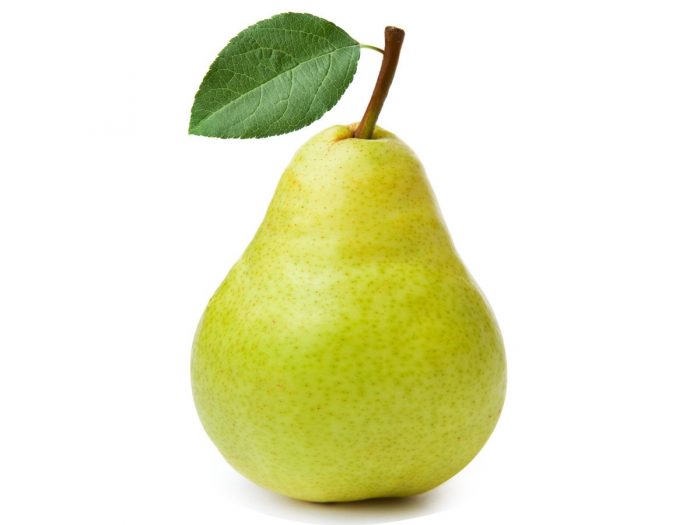
pear====================================================================================================================================================================================================================================================================================

Pears are an integral part of the fruit diet of many cultures around the world, and the se oddly shaped and succulent fruits certainly provide a lot of nutritional value and medicinal benefits. The term “pear” actually describes a number of trees and bushes in the genus Pyrus, of the larger family Rosaceae.  There a wide variety of pear trees, and a few of them bear edible fruit that is commonly consumed by humans; a number of pear varieties are only used as decorative trees and shrubs.
The fruit is the upper end of the flower stalk, and is typically pear shaped, narrow at the top (stem) and wider at the bottom, however, this is not the way to ultimately determine a “pear” variety. Some pears are shaped just like apples! The appearance of the flesh inside the skin is also similar to apples, although it is a slightly grittier consistency, due to the presence of stone cells. This is one of the most obvious differences between the two fruits, as well as the taste.
It is native to the Old World, mainly Europe, North Africa, and Asia, and there is evidence of it being consumed since prehistoric times. It was unclear whether European varieties moved east, or if Asian varieties moves west and south from China, but evidence seems to point to China as the ultimate source of pears. It has been a part of international diets for thousands of years, and has been found in Celtic literature, Roman history, and Chinese lore. Its ability to grow easily in places with temperate, cool climates makes it very versatile and rather easy to cultivate.

Nutritional Value of Pears

Besides their availability and flavor, pears have also been valued for their medicinal benefits for thousands of years. Modern science now tells us the contents of the fruit, and the mineral, vitamin, and organic compound content of pear species is the reason for its vast health potential. Some of these active and effective components are potassium, vitamin-C, vitamin K, phenolic compounds, folate, dietary fiber, copper, manganese, magnesium, as well as B-complex vitamins.

Health Benefits of Pears

Digestion and Intestinal Health: The fleshy and fibrous pear fruit has a very important role to play in human digestion. With a single serving of pears providing 18% of the daily requirement for fiber intake, they can be a very strong agent for digestive health and function. Most of the fiber in pears is non-soluble polysaccharide (NSP), which means that it acts as a bulking agent in the intestines. It accumulates the food and adds bulk so it is easier to pass through the intestines. Furthermore, it stimulates secretion of gastric and digestive juices so food moves smoother, in a more digested state. It regulates bowel movements and reduces the chances of constipation, as well as diarrhea and loose stool, since it adds that bulk to the bowel movements. Also, the gritty nature of pear fiber helps it bind to cancer-causing agents and free radicals in the colon and protects that organ from their damaging effects.
Low in Calories: One of the complaints that some people have about various fruits is the calorie content, mainly derived from natural sugars. However, pears are one of the lowest calorie fruits; an average pear has just over 100 calories, which is 5% of daily calorie allowance of a healthy diet. However, the nutritional supplementation it gives you is immense, and the fiber makes you feel full. Therefore, people trying to lose weight often turn to pears to get the most “bang for their buck”. It is a high-energy, high-nutrient food with a low impact on weight gain and obesity.
Antioxidant Activity: Like many other fruits, pears are a wealth of antioxidants that combat various diseases and conditions within the body. Antioxidants work to eliminate the free radicals that accumulate in the body following cellular metabolism. These free radicals mutate healthy cell DNA into cancerous cells, and can cause a number of other devastating conditions. Therefore, antioxidant components of vitamin C, vitamin A, and flavonoid compounds like beta-carotene, lutein, and zea-xanthin, all of which are found in pears, can seriously help rid the body of these dangerous compounds.
Immune System Health: Similarly, the immune system of the body is also boosted by the activities of antioxidants and vitamin-C. Vitamin C has long been known to be beneficial for the immune system, as it stimulates white blood cell production and activity. Traditionally, fruits like pears have been suggested to eliminate simply conditions like the common cold, the flu, or various other mild illnesses that a quick immune system boost could help cure.
Cancer Prevention: Antioxidants are primarily praised for their anti-carcinogenic activities, and pears have been connected to prevention of a number of different types of cancer, including colon, rectum, breast, prostate, and lungs. This is not unique to pears, but they do have a high antioxidant score, compared to many other fruits.
Potassium Content: Pears are a wonderful source ofpotassium, which means that pears can have a significant impact on heart health, because potassium is a well-known vasodilator. This means that it lowers blood pressure, which reduces strain to the entire cardiovascular system and makes it harder for clots to form or harm you. Furthermore, it increases blood flow to all parts of the body, which oxygenates the organs and promotes their effective function. Lowering blood pressure is also connected to a lower chance of cardiovascular diseases like atherosclerosis, heart attacks, and strokes. Finally, potassium works as a fluid regulator in the body, meaning that it keeps the various parts of the body hydrated, and ensures the balance of essential fluids in the cells and organs. Without potassium, many of our most essential functions would be either slowed down or stopped altogether!
Wound Healing and Tissue Repair: Vitamin C is also an essential part of synthesizing new tissue in various organs and cellular structures of the body. This keeps the body metabolism running smoothly and ensuring that all functions operate properly. Furthermore, wound healing is sped up with high levels of ascorbic acid, so small injuries, cuts, and damage done by injuries and diseases can be fixed faster if you add high levels of this essential nutrient to your diet, which pears do provide. It also helps to repair damaged blood vessels, which reduces the strain on the cardiovascular system and prevents certain heart diseases from developing.
Improved Circulation and Red Blood Cell Count: For patients that suffer from anemia or other mineral deficiencies, pears can be very helpful, due to its content of copper and iron. Copper facilitates and improves the uptake of minerals into the system, and increased levels of iron mean that red blood cell synthesis increases. Iron is an important part of hemoglobin and anemia is another name for iron deficiency. You can prevent fatigue, cognitive malfunction, muscle weakness, and organ system malfunction by consuming foods high in iron and copper, both of which are found in significant amounts in pears.

Birth Defects: Folates are another of the valuable nutritional components of pears. Folic acid has been positively correlated with a reduction in neural tube defects in newborns, so eating folate-rich fruits like pears can protect the health and happiness of your baby, so pregnant women are always encouraged to monitor their folic acid levels.
Inflammation Reduction: The antioxidant and flavonoid components of pears can also induce anti-inflammatory effects in the body and reduce the pain associated with inflammation diseases. This includes the reduction in symptoms of arthritis, rheumatic conditions, gout, and similar conditions. Most fruits have these effects, although citrus fruits are not quite as effective.
Bone Health: The high mineral content of pears, which includes magnesium, manganese, phosphorus, calcium, and copper, means that you can reduce bone mineral loss and debilitating conditions like osteoporosis and general weakness of the body due to lack of support from the bones.
Skin, Hair, and Eyes: One of the most versatile vitamins in the human body is Vitamin A. Pears are high in vitamin A, and its subsequent components, like lutein and zea-xanthin.  They act as an antioxidant as well as participating in a number of enzymatic reactions and organ functions, pears can reduce the effects of aging on the skin, like wrinkles and age spots. This powerful fruit can also reduce hair loss, macular degeneration,cataracts, and various other conditions associated with the aging process.
A Few Words of Caution: There are no known interactions or health risks with pears, although there are always ongoing studies. However, since some people suffer from allergic reactions based on certain types of fruit, monitor your body’s behavior and reaction if you do not normally eat pears, and only eat an appropriate amount, no more than one pear per day.