Tuesday, September 2, 2014

What Are the Health Benefits of Kali Mirch?

Kali mirch contains piperine, a cancer-fighting compound.
While you might not immediately recognize the name kali mirch, you likely have it sitting on your dinner table. Kali mirch is simply an alternative name for black peppercorn, or black pepper, a staple seasoning in a variety of cuisines. Using kali mirch in your cooking offers a range of health benefits, because it contains essential nutrients your tissues need to function, and it also contains phytonutrients that fight disease.
Evaluate your Hair loss and know scope of curability with Homeopathy
www.drbatras.com

Fiber

Kali mirch serves as a good source of dietary fiber. Fiber makes what you eat more filling by absorbing water in your digestive tract to physically fill your stomach. As a result, fiber-rich foods tend to help stave off hunger between meals. Dietary fiber also helps prevent digestive disorders, such as constipation, and helps lower your risk of heart disease. Using 2 tablespoons of kali mirch in your cooking boosts your fiber intake by 3.5 grams, and provides 9 percent of the daily fiber intake requirements for men and 14 percent for women, as set by the Institute of Medicine.

Vitamin K

Consuming kali mirch also helps you reach your recommended daily vitamin K intake. Each 2-tablespoon serving of kali mirch contains 23 micrograms of vitamin K, which is 26 percent of the Institute of Medicine's recommended daily intake for women and 18 percent for men. The main role of vitamin K involves blood coagulation -- it allows your body to form blood clots needed to prevent or stop bleeding. Getting enough vitamin K in your diet also promotes healthy cell growth and supports your skeletal health.

Manganese and Copper

Kali mirch also contains essential minerals, providing a considerable amount of manganese and copper. You need both minerals for a healthy metabolism. Manganese helps your body break down nutrients, while copper aids in energy production. Manganese and copper contribute to the health of your cartilage and bone tissue, and copper also promotes nervous system health. A 2-tablespoon serving of kali mirch boasts 1.8 milligrams of manganese and 184 micrograms of copper. This provides 20 percent of the daily recommended copper intake established by the Institute of Medicine, as well as 78 percent of the daily recommended manganese intake for men, and the entire daily recommended intake for women.

Piperine

Adding kali mirch to your cooking also ups your intake of piperine, a phytonutrient abundant in black pepper. Piperine has an effect on gene activity in your cells, and consuming piperine helps fight cancer growth and development. One study, published in "Food Chemistry" in 2013, found that piperine reduces the activity of HER2, a gene that drives the growth of breast cancer cells. And according to a study published in "PLoS One" in 2013, piperine promotes the death of prostate cancer cells, and it helps prevent the spread of cancer by inactivating genes that prostate cancer cells need to invade other tissue.

7 Best Foods for Stronger Bones

Let me make very clear what the best foods are for the bones — in this order:
bones-knee-628x363
1. Vegetables, especially leafy greens, and also roots and stalks (for the iron and calcium, and for vitamins K and C, which, together with protein, help deposit the collagen matrix)
2. Protein, such as animal foods, beans, and soy foods (for the collagen matrix)
3. Stock (for the minerals)
4. Whole grains (for the magnesium)
5. Foods rich in trace minerals, such as seaweeds, nuts, and seeds
6. Edible bones (for the calcium and other minerals)
7. Healthy fats (for the fat-soluble vitamins needed for the bones, such as vitamins K and D)
Let’s take a closer look at these categories and review how each relates to bone health.
Vegetables
Calcium, magnesium, potassium, iron, and other minerals are found abundantly in the vegetable kingdom, especially in produce that’s organically grown. Of particular value for bone health are all the leafy green vegetables, such as kalecollard greensmustard greensarugulabok choyparsleywatercress, and mesclun. The only exceptions are spinach and Swiss chard, as explained below.
Other vegetables especially helpful to the bones include broccoli, cabbage, carrots, zucchini, and acorn or butternut squash. In fact, the food that provides the most calcium per calorie is bok choy, at 790 mg per 100 calories when cooked.
Other vegetables with a high calcium content include cooked mustard greens, with 495 mg calcium per 100 calories; raw celery, with 250 mg calcium per 100 calories; and steamed broccoli, with 164 mg calcium per 100 calories.
For comparison, skim milk provides 351 mg of calcium per 100 calories, so the veggies are quite within the ballpark.
Some vegetables, most notably spinach and Swiss chard, contain a relative abundance of calcium but also contain oxalates, substances that may interfere with calcium absorption in some cases. However, people on low calcium diets (300 to 400 mg per day) are more efficient at overriding the effect of oxalates and absorbing calcium than people on diets high in calcium-rich dairy products.
Protein Foods
As explained earlier, protein is essential for giving bones the flexibility that helps prevent fractures. There is controversy as to whether protein from animal or vegetable sources is better. For quite some time, the popular assumption was that a diet high in animal protein could contribute to osteoporosis. This assumption has been shown to be incorrect.
Some people object to the consumption of animal foods for a variety of reasons. My viewpoint has always been that the choice to be vegetarian or not is a very personal one, and that either can be very healthful as long as the diet is balanced and the foods consumed are fresh, natural, and unrefined — and hopefully organic.
Cooking with Stock
Cooking with stock is a very traditional way of increasing the nutritional value of dishes made with added liquid, such as soups, stews, grains, beans, and sauces.
By cooking bones and vegetables for a long time over low heat, many of the minerals are leached out into the cooking water, making the stock highly nutritious and also alkalizing, especially if something sour has been added such as vinegar or wine.
Whole Grains
In modern times, the primary grains that most cultures rely on for sustenance — rice and wheat — are usually stripped of their bran and germ and thereby made deficient in nutrients.
Whole grains, such as brown rice, whole wheat, barley, oats, rye, millet, cornmeal, amaranth, quinoa, teff, and buckwheat, are excellent sources of complex carbohydrates, fiber, and B vitamins, and they’re very satisfying to boot. Consuming sufficient amounts of whole grains (about a handful of cooked whole grain per meal) also means you need to consume less animal protein due to a concept known as protein sparing.
When grains (or fats) provide more calories, this diminishes the body’s need to metabolize proteins for energy. This conserves muscle tissue, and whatever is good for the muscles is good for the bones.
In addition, whole grains are a good source of magnesium, which helps increase absorption of calcium from the blood into the bones.
Foods Rich in Trace Minerals
Seaweeds, nuts, and seeds are some of the foods richest in trace minerals. Trace minerals play an important role in bone health. Remember, less important than how much calcium you eat is the balance of minerals (and other nutrients). Eating food rich in trace minerals will go a long way toward providing mineral balance.
Seaweeds, which are most commonly used in Japanese cuisine are rich in minerals, making them an excellent addition to healthful cooking. In fact, a study of osteoporosis in Taiwan found that those who include seaweed in their diet two or more times per week showed a slightly higher protection against osteoporosis (Shaw 1993).
Seaweeds are also valuable for being especially high in iodine, which is necessary for good thyroid function. As discussed in chapter 3, the thyroid and parathyroid glands play an important role in bone health.
Nuts and seeds have the advantage of also being a great source of bone-healthy essential fatty acids, as well as plant protein. A handful of nuts or seeds a day is a good source of trace minerals, such as iron, boron, selenium, phosphorus, and magnesium.
Edible Bones
Perhaps your initial response to the idea of eating bones is… WHAT?! But bones can be eaten when prepared in certain ways, and if you think about it, what better source of natural minerals for our bones than bones themselves?
Healthy Fats
Good-quality fats are essential for bone health. As we apply the “three-bears rule,” too much is no good, but too little is no good, as well. You need to eat enough of these important nutrients, even if that means unlearning a fat phobia.
The average postmenopausal woman needs about 65 grams of fat daily. That means you need approximately 2 or 3 tablespoons of good quality fat per day in an eating regime based on vegetables, beans, grains, nuts, and seeds, or about 1 or 2 tablespoons if your diet also includes animal products.
Nutritionist Udo Erasmus cautions against using any one type of fat exclusively because it won’t contain a full profile of fatty acids and therefore might create an imbalance (Erasmus 1993). We need both omega-3 and omega-6 fatty acids. However, a diet high in polyunsaturated vegetable oils is skewed too much in favor of the latter.

Warning Signs of Heart Attack

Did you know you can have a heart attack and not feel any chest pains? Heart failure and heart disease don’t show the same signs for everyone, especially women. A heart attack—medically known as myocardial infarction—happens when a blood clot blocks flow of blood to the heart muscle.
There are many things that can contribute to a heart attack, including age, heredity, high blood pressure, high cholesterol, obesity, poor diet, alcohol consumption, stress, and physical inactivity.
To recognize a potential heart attack as soon as possible, learn important signs of heart distress on the next slides.
heart-attack-4

1. Fatigue & Shortness of Breath

Exhaustion and shortness of breath are two ways your body tells you it needs rest, but it can also be a sign of heart trouble as a response to the extra stress on your heart. If you often feel tired or exhausted for no reason, it could be a sign that something is wrong.
Fatigue and shortness of breath are more common in women and may begin months before a heart attack (AHA, 2013).

2. Sweating—Day & Night

Sweating more than usual—especially if you aren’t exercising or being active—could be an early warning sign of heart problems. Pumping blood through clogged arteries takes more effort from your heart, so your body will sweat more to try to keep your body temperature down during the extra exertion. If you experience cold sweats or clammy skin, then you should consult your doctor.
Night sweats are also a common symptom for women experiencing heart troubles (IHS, 2012).

3. Indigestion, Nausea, & Vomiting

Often people begin experiencing mild indigestion and other gastrointestinal problems before a heart attack. Because heart attacks usually occur in older people who typically have more indigestion problems, these symptoms often get dismissed as heartburn or another food-related complication.
If you normally have an iron stomach, indigestion or heart burn could be signaling that something else is going on.

4. Chest Pain, Pressure, & Discomfort

While chest pains do not occur in every heart attack, they are the most recognizable symptom for good reason. Chest tightness is a common sign of a heart attack. People have described this sensation as feeling like an elephant is standing on their chest. If you experience chest pains or tightness, you or someone around you should call 911 immediately (NHLBI, 2011).

5. Other Pains Throughout the Body

Pain and tightness can also radiate in other areas of the body. Most people associate a heart attack with pain working its way down the left arm. That can happen, but pain can also appear in other locations, including:
  • upper abdomen
  • shoulder
  • back
  • throat
  • teeth or jaw

During a Heart Attack

If you think you are having a heart attack, you or someone nearby should call 911 immediately. If you’ve been prescribed heart medication and experience heart troubles, follow your doctor’s instructions. Even something as simple as taking aspirin can prevent the clot from becoming worse (AHA, 2012). If treatment of the blockage can be administered within a couple of hours of the onset of symptoms, the risk of severe damage to the heart is lowered.

Getting Started on a Solution

If you are at risk for heart attack and heart disease, it is important to make smart choices with your diet, exercise, and stress management.

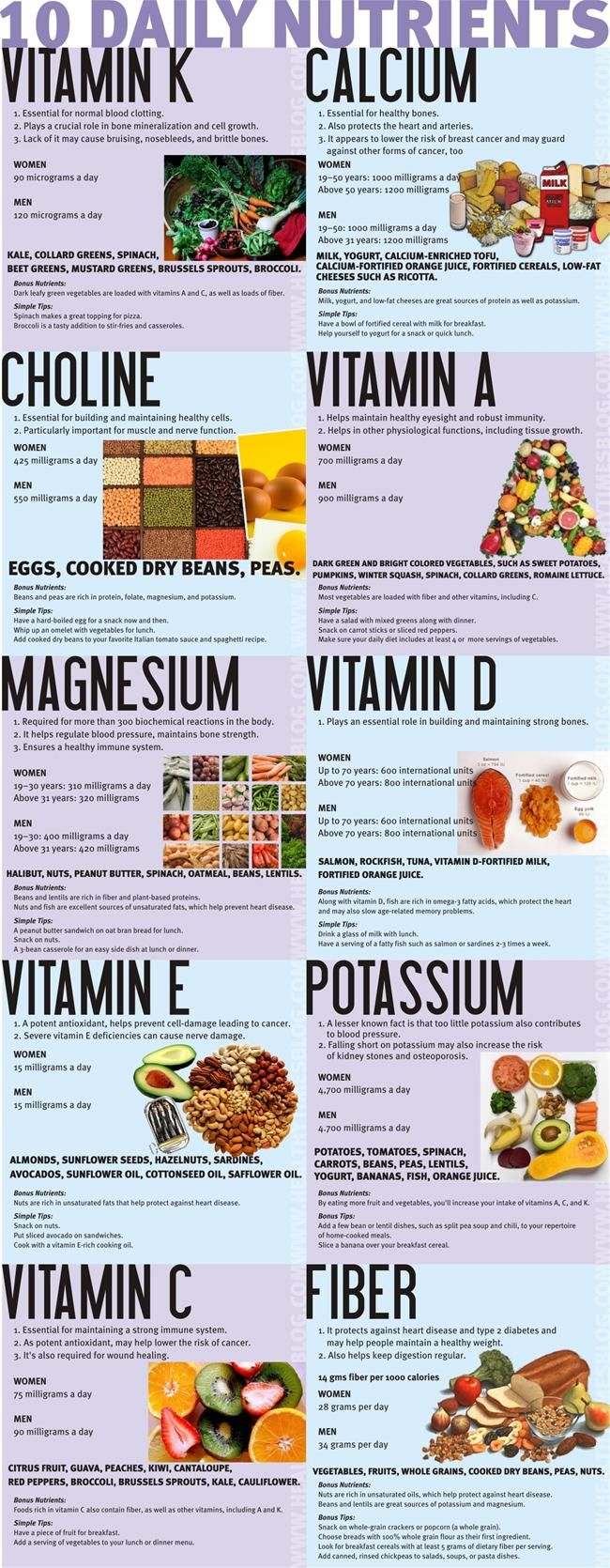
10 Daily Nutrients

10 Daily Nutrients

These are foods that need to take everyday to have a healthy body and mind.
9d9072c7353020af865db7f48666845c

Low Sodium Dinner Recipes that is Good for your Heart

1. Beef Tenderloin with balsamic Tomatoes

balsamic
Ingredients:
1/2  cup balsamic vinegar
1/3  cup coarsely chopped, seeded tomato
2  teaspoons olive oil
2  beef tenderloin steaks, cut 3/4 inch thick (about 8 ounces)
1  teaspoon snipped fresh thyme
Directions:
1. In a small saucepan bring vinegar to boiling. Reduce heat; simmer, uncovered, 5 minutes or until reduced to 1/4 cup. Stir tomatoes into hot vinegar reduction.
2.Meanwhile, trim fat from steaks. Sprinkle with salt and pepper. In a large skillet heat oil over medium-high heat. Add steaks; reduce heat to medium. Cook to desired doneness, turning once. Allow 7 to 9 minutes for medium-rare (145 degrees F) to medium (160 degrees F).
3.To serve, spoon vinegar reduction over steaks. Sprinkle with thyme.

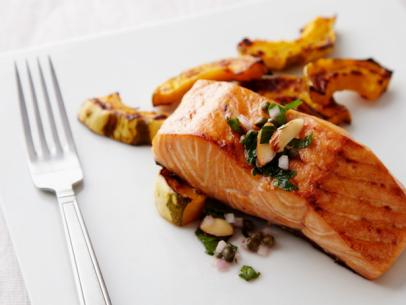
2. Oven Baked Salmon

salmon
Ingredients:
  • 12 ounce salmon fillet, cut into 4 pieces
  • Coarse-grained salt
  • Freshly ground black pepper
  • Toasted Almond Parsley Salsa, for serving
  • Baked squash, for serving, optional
Directions
  • Preheat the oven to 450 degrees F.Season salmon with salt and pepper. Place salmon, skin side down, on a non-stick baking sheet or in a non-stick pan with an oven-proof handle. Bake until salmon is cooked through, about 12 to 15 minutes. Serve with the Toasted Almond Parsley Salad and squash, if desired.Toasted Almond Parsley Salad:Mince the shallot and add to a small bowl. Pour the vinegar over the shallots and add a pinch of salt. Let sit for 30 minutes.
    Roughly chop the capers, parsley and almonds and add to the shallots. Add the olive oil, tasting as you go. Mix again and adjust the seasonings.

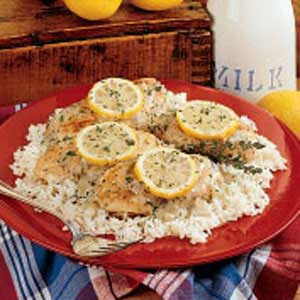
3.  Baked Lemon Chicken

lemon chic

Ingredients

  • 3 tablespoons all-purpose flour
  • 1/4 teaspoon pepper
  • 4 boneless skinless chicken breast halves (1-1/2 pounds)
  • 2 tablespoons vegetable oil
  • 1 medium onion, chopped
  • 1 tablespoon butter
  • 1 cup chicken broth
  • 3 tablespoons lemon juice
  • 2 teaspoons dried basil
  • 1/2 teaspoon dried thyme
  • 4 lemon slices
  • 2 tablespoons minced fresh parsley
  • Hot cooked rice, optional

Directions

  1. In a shallow bowl, combine flour and pepper; dredge the chicken. Set remaining flour mixture aside. In a skillet, brown chicken in oil; transfer to an ungreased 9-in. square baking dish.
  2. In a saucepan, saute onion in butter. Add reserved flour mixture; stir to form a thick paste. Gradually add broth, lemon juice, basil and thyme; mix well. Bring to boil; cook and stir for 2 minutes or until thickened and bubbly. Pour over the chicken. Top each half with a lemon slice. Sprinkle parsley. Cover and bake at 350° for 25-30 minutes or until the juices run clear. Serve over rice if desired. Yield: 4 servings.

4. Oyster Stew

oyster
Ingredients:
  • 3 slices bacon
  • 2 teaspoons canola oil
  • 2 cups diced onion
  • 1 cup diced celery
  • 1/4 teaspoon salt
  • 1/4 teaspoon freshly ground pepper
  • 1/2 cup dry white wine
  • 2 8-ounce bottles clam juice (see Notes)
  • 1 1/2 cups water, divided
  • 1 pound baby or new potatoes, cut into bite-size chunks
  • 3 tablespoons all-purpose flour
  • 1 pound shucked oysters (see Notes), drained and chopped into bite-size pieces
  • 1/2 cup light cream
  • 2 tablespoons chopped fresh herbs, such as dill and chives
Directions:
  1. Cook bacon in a large soup pot over medium heat, turning often, until crispy, 5 to 7 minutes. Drain on a plate lined with a paper towel. When cool, chop the bacon and set aside.
  2. Wipe out the pot; add oil and heat over medium heat. Add onion, celery, salt and pepper and cook, stirring often, until the vegetables start to soften and brown slightly, about 2 minutes. Pour in wine, increase heat to medium-high and cook, scraping up any browned bits, until the wine is evaporated, 1 to 3 minutes. Add clam juice, 1 cup water and potatoes; cover and bring to a simmer. Reduce heat to medium-low and simmer, stirring occasionally, until the vegetables are tender, 10 to 15 minutes.
  3. Whisk the remaining 1/2 cup water with flour until smooth and stir into the stew. Return to a simmer over medium-high heat, stirring constantly. Cook, stirring, until thickened, about 1 minute.
  4. Stir in oysters, cream and herbs; return to a simmer and immediately remove from the heat. Let stand for 5 minutes to finish cooking the oysters. Serve sprinkled with the reserved bacon.

5. Baked Catfish

catfish
Ingredients:
  • 1 cup couscous (preferably whole wheat)
  • 2 tablespoons extra-virgin olive oil
  • 3/4 teaspoon smoked paprika
  • Kosher salt and freshly ground pepper
  • 4 6 -ounce skinless catfish fillets
  • 2 lemons (1 thinly sliced, 1 juiced)
  • 1/3 cup roughly chopped fresh parsley or mint
  • 1 medium red onion, thinly sliced
  • 1 cup cherry tomatoes, halved
  • 2 cloves garlic, finely chopped
Directions:
Preheat the oven to 425 degrees F. Lay a 2 1/2-foot-long sheet of aluminum foil on a baking sheet, letting the ends hang off. Lay another sheet of foil perpendicular on top. Rinse the couscous in a fine-mesh sieveunder cold water. Mix the olive oil, paprika and 3/4 teaspoon each salt and pepper in a small bowl. Pile the couscous in the center of the foil; toss with 1/2 tablespoon of the seasoned oil and spread in an 8-inch-square layer.
Brush the fish fillets on both sides with 1 tablespoon of the seasoned oil and arrange side by side on top of the couscous. Toss the lemon slices, parsley, red onion, tomatoes, garlic and the remaining 1/2 tablespoon seasoned oil in a bowl, then scatter evenly over the fish and couscous. Drizzle with 2/3 cup water, then bring the opposite ends of the foil together, fold over and crimp closed to make a sealed packet. Transfer the foil packet (on the baking sheet) to the oven and bake 25 minutes.
Open the foil packet; divide the fish among plates. Toss the couscous and vegetables; serve with the fish. Sprinkle with the lemon juice.
Per serving: Calories 429; Fat 21 g (Saturated 4 g); Cholesterol 80 mg; Sodium 219 mg; Carbohydrate 30 g; Fiber 5 g; Protein 31 g

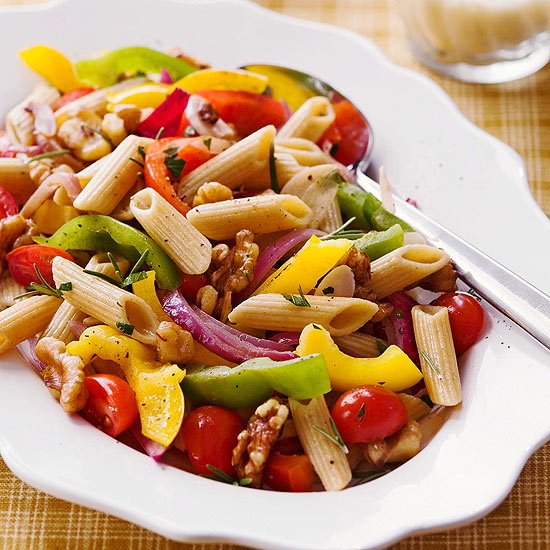
6. Penne with Wanuts and Peppers

penne
Ingredients:
1  tablespoon olive oil
6  ounces dried whole wheat or multigrain penne or rotelle pasta
1/4  cup walnuts, coarsely chopped
4  large cloves garlic, thinly sliced
2  medium green, red and/or yellow sweet peppers seeded and cut lengthwise into bite-size strips
1  small red onion, cut into thin wedges
1  cup halved red or yellow cherry or grape tomatoes
1/4 cup snipped fresh parsley
2  teaspoons snipped fresh rosemary or 1/2 teaspoon dried rosemary, crushed
1/4  teaspoon coarsely ground black pepper
2  tablespoons grated Parmesan cheese (optional)

Directions

  1. Cook pasta according to package directions. Drain and set aside.
  2. Meanwhile, in a large skillet, heat oil over medium heat. Add walnuts and garlic. Cook about 2 minutes or until light brown, stirring frequently. Add sweet peppers and red onion. Cook for 5 to 7 minutes or until vegetables are crisp tender, stirring frequently. Add tomatoes; cook and stir for until heated through. Stir in parsley, rosemary, and black pepper. Put pasta in a large shallow bowl. Top with walnut-pepper mixture; toss gently to coat. If desired, sprinkle with Parmesan cheese.

6. Italian Lentil and Broccoli Stew

Ingredients:
1 sm onion, finely chopped
1 sm carrot, finely chopped
2 cloves garlic, minced
2 tsp olive oil
2 c reduced-sodium vegetable broth or water
1 c dried green or brown lentils
1 tsp dried oregano
¼ tsp red-pepper flakes
6 c broccoli florets
16 lg pitted green olives, slivered
4 tsp shredded Parmesan

15 foods that will keep you calm

This article lists down 15 foods that help you achieve a calmer mind. Stress and anxiety are nothing but an invitation to disaster. And a mind which is cool, relaxed and calm can take one places. Make sure that necessary changes are made in your eating habits and go for foods which can ensure that the mind stays relaxed and free of stress.
Did you know that what you eat can greatly affect the way you think and feel? Here are the top 15 foods that help you develop a calmer mind and deal with stress better:


1. Chocolates

Give in to your darkest desire by indulging in chocolates. Their anandamine content keeps the dopamine levels of the brain in check, thereby ensuring the mind stays relaxed and free of stress.

2. Nuts

Nuts contain selenium, a mineral whose deficiency causes crankiness, anxiety and fatigue. Therefore, a handful of nuts help you stay calmer.

3. Spinach

Popeye’s favorite food is also rich in magnesium, which keeps the mind from overreacting. The correct dosage of vitamins A and C as well as iron ensures a healthy diet intake as well.

4. Pasta

Pasta made from whole grain is rich in magnesium, the deficiency of which increases stress levels.

5. Whole-Grain Bread

Bread made from whole grain has the same effect as pasta, that is, the reduction of magnesium deficiency. So, make sure you include toasts or sandwiches in breakfast to lead a stress-free day.

6. Blueberries

A delicious fruit, blueberries are also packed with antioxidants, which are known to be highly effective in relieving stress.

7. Almonds

The zinc and vitamin B12 content of almonds makes them super-eligible to make it to this list. These nutrients help maintain a balanced mood and keep anxiety at bay.

8. Green Tea

Nothing can have a calmer effect on the human mind than a cup of green tea to kickstart the day. In fact, it is known to have an immediate relieving effect on many.

9. Fish

Fish types such as salmon and mackerel are rich in Omega-3 fatty acids, which provide selenium and tryptophan to the brain, thereby helping it stay calm.

10. Oats

Greatly beneficial in enhancing the levels of serotonin required by the body, oats are a great way to lower cholesterol levels as well as spend a calm-minded day.

11. Milk

Surprised again? Well, milk contains tryptophan, which helps in the build-up of serotonin, thereby helping the mind stay relaxed.

12. Broccoli

Go green! With broccoli, you get your required dose of potassium, the low levels of which can cause tiredness and stress.

13. Kiwi Fruit

Kiwis are also known to convert tryptophan into serotonin, thereby inducing anxiety-relieving experience for the brain.

14. Bananas

Low in fibre, bananas reduce the risk of gas, thereby increasing chances of staying calm and stress-free through the day.

15. Rice

Image Credit: Shutterstock
A carbohydrate that has an immensely calming effect, rice is also easy to digest and low in fat.
The above is a list of some of the foods you can include in your daily diet to ensure your levels of anxiety stay low. In addition, remember to drink plenty of water to keep flushing out those toxins and stay healthier and happier!

8 Simple Ways To Get Rid Of Belly Fat

It is difficult to get rid of belly fat but we found ways to eliminate belly fat forever.
1381013362_belly-fat

1. Start your day with lemon juice This is one of the best therapies to eliminate belly fat. Pinch some yellow juice into a glass of warm water and add some salt to it. Continue drinking this every morning to boost your metabolism and to get rid of that paunch.
2. Stay off from white rice Replace white rice with various wheat products. Include brown rice, brown bread, whole grains, oats and quinoa in your diet.
3. Avoid sugary substances Stay away from sweets, sweetened drinks and foods rich in oil. Consuming these foods can increase body fat around various areas of your body like abdomen and thighs.
4. Drink plenty of water If you want to get rid of your belly, then drink sufficient amount of water every day. Drinking water, after regular intervals will help to boost your metabolism and remove toxins from your body.
5. Eat raw garlic Chew two to three cloves of garlic every morning, and drink a glass of lemon water after that. This treatment will double up your weight loss process and make your blood circulation smooth in your body.
6. Avoid non-veg food To eliminate belly fat, it is recommended that one should avoid non-vegetarian food as far as possible.
7. Load up on fruits and vegetables Eat a bowl of fruits daily in the morning and evening. This will fill you up with many antioxidants, minerals and vitamins.
8. Spice up your cooking Use spices like cinnamon, ginger and black pepper in your cooking. These spices are loaded with health benefits. They help to improve your insulin resistance and reduce levels of sugar in your blood.