Wednesday, September 3, 2014

50 HEALTH BENEFITS OF HONEY

Honey is a mixture of sugars and other compounds. With respect to carbohydrates, honey is mainly fructose and glucose making it similar to the synthetically produced inverted sugar syrup, which is approximately 48% fructose, 47% glucose, and 5% sucrose. Honey’s remaining carbohydrates include maltose, sucrose, and other complex carbohydrates.


As with all nutritive sweeteners, honey is mostly sugars and contains only trace amounts of vitamins or minerals. Honey also contains tiny amounts of several compounds thought to function as antioxidants, including chrysin, pinobanksin, vitamin C, catalyses, and Pinocchio. The specific composition of any batch of honey depends on the flowers available to the bees that produced the honey.
Here are best 50 benefits of honey in below…
  • Honey is a wonderful aid to internal cleansing.
  • Honey works well on chapped lips.
  • Honey also works well on acne because it has antibacterial properties
  • Honey may also be good for your skin. It has the ability to attract water. You can use honey instead of alpha hydroxide masks because of its high content of the acid. It is also safe for sensitive skin.
  • Honey is rich in vitamins, minerals, and amino acids, which are wonderful beauty aids that nourish the skin.
  • Honey can cure the problem of ringworm. Ayurvedic healing advises treating ringworm with both turmeric and honey.
  • Honey is good for eyesight. Regular use of honey mixed with the carrot juice helps to improve the eyesight. It should be taken in the early morning.
  • Honey dissolved in equal quantity of warm water is good lotion or eye-bath for the conjunctivitis.
  • A teaspoon of honey per day aid calcium utilization and prevents osteoporosis.
  • Chewing the tops of honey combs for 20 minutes a teaspoon of bee capping; five to six times a day stimulates the immune system. It’s effective for asthma patients.
  • Consuming one teaspoon of honey a day helps lead a long healthy life. The most long-lived people in the world are all regular users of honey. An interesting fact, yet to be explained, is that beekeepers suffer less from cancer and arthritis than any other occupational group worldwide.
  • Based on its rapid healing effects, honey has been used and is still being used in many surgical operations. For example, it has been used as a barrier against tumor implantation in laparoscopic ontological surgery.
  • Honey is a good food preservative. While baking cakes by replacing sugar with honey, they will stay in fresher longer due to natural antibiotics as honey retains moisture.
  • I’ve heard that when honey is processed and administered intravenously it helps fight jaundice, but I’m not sure is it true or not.
  • Ayurveda has been advising honey as a medication for problems of impotence and infertility. A drink of warm milk to which honey is added is believed to increase the sperm count from level zero to fertility level of over 60million sperm count.
  • Pure and unheated honey is a mild sexual stimulant naturally, since it contains numerous substances such as zinc, Vitamin E, etc., which promotes virility and reproductive health. A mixture of honey and grounded garlic taken regularly at bed time is an aphrodisiac that increases sexual stamina and pleasure.
  • Honey is Anti- aging. It contains antioxidants, powerful compounds which fight free radicals and reverse aging.
  • Drinking lemon juice with a spoonful of honey first thing in the morning is an effective anti-cellulite treatment as it helps to increase body metabolism.
  • If you are trying to lose weight, honey can be of great help to you. Honey can help in weight loss when consumed with warm water and lemon juice. Honey has been used as a home remedy in Ayurvedic medicine to help dissolve fat for thousands of years.
  • Researches indicate that Arthritic patients when treated with a mixture of honey and cinnamon regularly in the morning on empty stomach, there was significant relief in pain of the patients.
  • Honey with cinnamon is good for Curing Arthritis, Hair Loss, Toothache, help in Reducing Cholesterol, Curing Colds, Cures Infertility, Upset Stomach, for better Immune System, for Longevity and Weight Loss.
  • Replace your morning jelly for honey. It could help you to decrease your chances of heart disease. Heart patients are also advised to replace white sugar with honey that has natural fructose and glucose.
  • Take honey with your morning breakfast like eating porridge mixed with honey or honey with cereals. The nutrients in honey induce the calming effect on brain.
  • Since it contains no cholesterol it helps in reducing the cholesterol level of a patient suffering from the high cholesterol problem.
  • Honey is nature’s energy booster. A spoon of honey enables you to go for the extra mile. To recharge your battery, there is nothing better than honey.
  • If you have a wound which could be a scratch, cut, scrape, or resulting from surgery, try using honey under the dressing. Due to its natural anti-inflammatory effect, it will help to heal the wounds more quickly. It also has different photochemical chemicals found in plants and different foods that kill viruses, bacteria, and fungus making it a good substitute for wound dressings.
  • Honey may also be effective in the treatment of your ulcers. In Europe, honey has been used internally to help cure ulcers, particularly stomach ulcers.
  • A certain type of bee’s honey can heal leg ulcers.
  • People with excessive gastric acid and hypertrophic gastritis are advised to have warm honey water.
  • Honey diluted in water is helpful with your stomachaches and dehydration.
  • It works to help chronic bad breath.
  • Honey is a great immunity system builder.
  • It activates the immune response by providing glucose for the white blood cells.
  • For people who have frequent migraine attacks, should sip a dessert spoon of honey dissolved in half a glass of warm water at the start of the attack. Repeat after 20 minutes if needed. Its effective as migraine is stress related.
  • When you get a hangover from drinking too much alcohol, combat its effects by applying the honey remedy.
  • Honey is a natural remedy for many ailments.
  • Use of honey in lemon tea can help to alleviate a sore and uncomfortable throat.
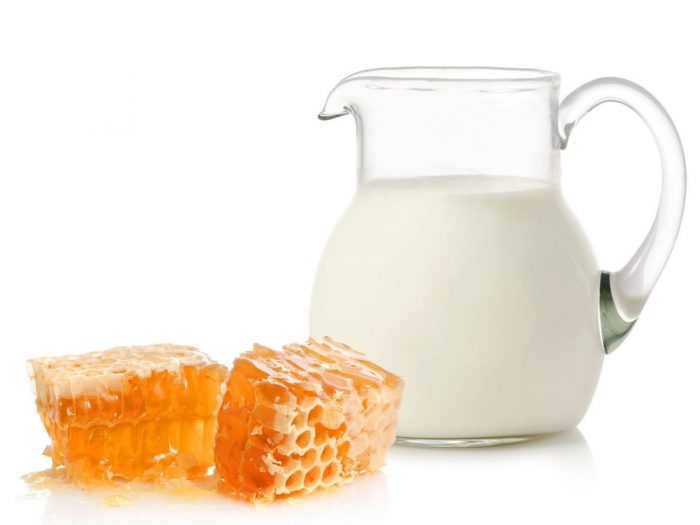
  • Honey also help in sleeplessness. If you are unable to sleep? Use the famous Milk and Honey Remedy. Add a teaspoon of honey in a glass of hot milk to calm the soul and induce sleep. Or, add 1 or 2 teaspoons of honey to a cup of chamomile tea and sip.
  • A teaspoon of honey before bed, aids water retention and calms fears in children.
  • Honey with milk help you to minimize your heartburn woes during pregnancy
  • Honey can be used as a mouthwash. A tablespoon of honey with a cup of warm water can clean teeth and dentures, and kills germs in the mouth.
  • Honey also prevents Acidity. The pH of honey is commonly between 3.2 and 4.5. This relatively acidic pH level prevents the growth of many bacteria.
  • Honey is an excellent ergogenic aid and helps in boosting the performance of athletes.
  • Honey prevent hair loss or baldness.
  • Honey and two cups of warm water can help return the natural shine and will add health to your hair. Have A tablespoon of honey with a tablespoon of olive oil and two tablespoon of water and make it paste and apply it to your hair. It gives shine or luster to your hair.
  •   Honey improves your digestion. Honey’s antioxidant and anti-bacterial properties make it a very good remedy for improving digestion.
  • Honey is Anti-Cancer. It does not cure cancer but one thing can’t be overlooked is – honey possesses carcinogen-preventing and anti-tumor properties.
  • You can also use Honey as a lotion to dry patches of skin on hands, elbows, or other parts. Just mix one teaspoon of honey with one teaspoon of olive oil and a 1/2 teaspoon of lemon juice. Apply it to hands, elbows, heels of your foot and many other parts of the body, and wash off the paste after 15 minutes. Instant relief!
  • Honey improves your intelligence.
  • It rejuvenates your body.
Health Benefits of Honey and Milk

The health benefits of honey and milk include advantages in skin care and the development of stamina. This article elaborates on the health benefits of milk and honey when they are taken together. When taken individually, there are still many health benefits of honeyand health benefits of organic milk.
Honey is traditionally used for health because of its antioxidant, antibacterial, and anti-fungal properties, as well as its soothing, anti-inflammatory effects on respiratory issues. Milk, on the other hand, has traditionally been praised for its vitamin and mineral content, including vitamin-A, B, and D, as well as calcium, animal protein, and lactic acid. However, those attributes can combine when milk and honey are taken together, resulting in some unique and desirable health benefits.
Milk honey


Health Benefits of Honey and Milk

Health benefits of honey and milk include:
Skin Care
Both honey and milk possess antimicrobial and cleansing properties. These properties are enhanced when the two are taken together. Numerous cleansers are prepared using milk and honey, because the mixture gives the skin a healthy glow. One can also enjoy a milk and honey bath, by mixing them in equal quantities in the water. The combination is often used in popular spas throughout the world.
Digestion
Honey has long been known as a source of prebiotics , which are nutrients that stimulate the growth and development of probiotics, which are beneficial bacteria that grow and develop in our intestines and digestive system.
Prebiotics have demonstrated a stimulatory effect on bifidobacteria, a type of probiotic that is found in milk. The carbohydrates and oligosaccharides in honey promote the healthy and proper function of these beneficial bacteria that are essential for the healthy maintenance and function of the GI tract . When the bacterial balance in the digestive tract is good, it eliminates a number of irritating conditions, including constipation, cramps, bloating, and it prevents the development of detrimental bacterial growth!
Stamina
A glass of milk and honey every morning is known to improve a person’s stamina. While milk contains proteins, honey contains the necessary carbohydrates required for effective stimulus of the metabolism. Milk and honey provides a boost in strength to everyone, including children and the elderly.
Animal proteins from milk are broken down by enzymes into their basic amino acids, and are then reformed to create usable proteins for humans. The excess material in this transformation is then oxidized as usable energy . Proteins are an essential part of the human diet, and honey helps to stimulate their metabolism!
Bone Health
As research on honey continues, it is gradually becoming clear that honey acts as a carrier and a transport of nutrients from food throughout the body. Specifically, honey has shown itself to be integral in thebody’s uptake of calcium , of which milk is a rich source. Therefore, consuming honey and milk together will not only give your body the necessary nutrient (calcium) to benefit your bone health, but also the nutrient to maximize the absorption of it into your body. Proper calcium levels can prevent conditions like osteoporosis and inflammation of the joints as we age!
Insomnia
Honey and milk have both been traditionally used as remedies for insomnia and sleeplessness . Individually, they are both effective, but the effects are strengthened when taken together. Honey is one of the rare sugary foods that causes a controlled increase in the amount of insulin being secreted, which also promotes tryptophan to be released into the brain.
Tryptophan is normally converted into serotonin, which induces a feeling of relaxation. Furthermore, serotonin is commonly converted to melatonin, a well-researched sleep aid. Through that rather confusing chemical pathway, honey and milk can be used to reduce sleeplessness!
Anti-Aging Properties
The combination of milk and honey impacts not only the skin, but also the rest of the body, by making it agile and youthful. People in many ancient civilizations, including the Greeks, Romans, Egyptians and Indians, drank milk and honey to preserve their youth. Since milk and honey can help to ensure long life, the combination was known as “the elixir of life.”
The many antioxidant properties  that occur when milk and honey are combined are the scientific explanation behind the anti-aging properties, because antioxidants attack the free radicals which so drastically affect the organ systems. They are also one of the primary causes behind skin degradation, wrinkles, blotches, and general failing health of your body’s largest organ, the skin!

Antibacterial Properties
Research has shown that milk and honey have a more pronounced effect on staphylococcus bacteria than milk or honey when taken alone. It is also believed that honey, added to warm milk, cures constipation, flatulence and intestine disorders. It is also good for treating respiratory disorders such as colds and coughs.
The benefits of honey and milk on the human body are so enormous that the phrase “land of milk and honey” meaning “a place which has plenty” is commonly used. Jerusalem is referred to as the land of milk and honey in the Old Testament, so they probably enjoyed a wealth of health benefits back then!

Tuesday, September 2, 2014

10 Surprising Health Benefits of Sex

The perks of sex extend well beyond the bedroom.
Sex not only feels good. It can also be good for you. Here’s what a healthy sex life can do for you.

1. Helps Keep Your Immune System Humming


“Sexually active people take fewer sick days,” says Yvonne K. Fulbright, PhD a sexual health expert.
People who have sex have higher levels of what defends your body against germs, viruses, and other intruders. Researchers at Wilkes University in Pennsylvania found that college students who had sex once or twice a week had higher levels of the a certain antibody compared to students who had sex less often.
You should still do all the other things that make your immune system happy, such as:
  • Eat right.
  • Stay active.
  • Get enough sleep.
  • Keep up with your vaccinations.
  • Use a condom if you don’t know both of your STD statuses.

2. Boosts Your Libido

Longing for a more lively sex life? “Having sex will make sex better and will improve your libido,” says Lauren Streicher, MD. She is an assistant clinical professor of obstetrics and gynecology at Northwestern University’s Feinberg School of Medicine in Chicago.
For women, having sex ups vaginal lubrication, blood flow, and elasticity, she says, all of which make sex feel better and help you crave more of it.

3. Improves Women's Bladder Control

A strong pelvic floor is important for avoiding incontinence, something that will affect about 30% of women at some point in their lives.
Good sex is like a workout for your pelvic floor muscles. When you have an orgasm, it causes contractions in those muscles, which strengthens them.

4. Lowers Your Blood Pressure

Research suggests a link between sex and lower blood pressure, says Joseph J. Pinzone, MD. He is CEO and medical director of Amai Wellness.
“There have been many studies,” he says. “One landmark study found that sexual intercourse specifically (not masturbation) lowered systolic blood pressure.” That's the first number on your blood pressure test.

5. Counts as Exercise

“Sex is a really great form of exercise,” Pinzone says. It won’t replace the treadmill, but it counts for something.
Sex uses about five calories per minute, four more calories than watching TV. It gives you a one-two punch: It bumps up your heart rate and uses various muscles.
So get busy! You may even want to clear your schedule to make time for it on a regular basis.  “Like with exercise, consistency helps maximize the benefits,” Pinzone says.

6. Lowers Heart Attack Risk

A good sex life is good for your heart. Besides being a great way to raise your heart rate, sex helps keep your estrogen and testosterone levels in balance.
“When either one of those is low you begin to get lots of problems, like osteoporosis and even heart disease,” Pinzone says.
Having sex more often may help. During one study, men who had sex at least twice a week were half as likely to die of heart disease as men who had sex rarely.

7. Lessens Pain

Before you reach for an aspirin, try for an orgasm.
“Orgasm can block pain,” says Barry R. Komisaruk, PhD, a distinguished service professor at Rutgers, the State University of New Jersey. It releases a hormone that helps raise your pain threshold.
Stimulation without orgasm can also do the trick. “We’ve found that vaginal stimulation can block chronic back and leg pain, and many women have told us that genital self-stimulation can reduce menstrual cramps, arthritic pain, and in some cases even headache,” Komisaruk says.

8. May Make Prostate Cancer Less Likely

Going for the gusto may help ward off prostate cancer.
Men who ejaculated frequently (at least 21 times a month) were less likely to get prostate cancer during one study, which was published in the Journal of the American Medical Association.
You don’t need a partner to reap this benefit: Sexual intercourse, nocturnal emission, and masturbation were all part of the equation.
It's not clear that sex was the only reason that mattered in that study. Lots of factors affect cancer risk. But more sex won’t hurt.

9. Improves Sleep

You may nod off more quickly after sex, and for good reason.
“After orgasm, the hormone prolactin is released, which is responsible for the feelings of relaxation and sleepiness" after sex, says Sheenie Ambardar, MD. She is a psychiatrist in West Hollywood, Calif.

10. Eases Stress

Being close to your partner can soothe stress and anxiety.
Ambardar says touching and hugging can release your body's natural “feel-good hormone.” Sexual arousal releases a brain chemical that revs up your brain’s pleasure and reward system.
Sex and intimacy can boost your self-esteem and happiness, too, Ambardar says. It’s not only a prescription for a healthy life, but a happy one.

Five powerful health benefits of eating pomegranate!

Zee Media Bureau/Salome Phelamei
Pomegranate (botanical name is Punica granatum) is not just a delicious fruit, but is also high in nutrition. Rich in antioxidants and phytochemicals, pomegranate is one of the most powerful, nutrient dense foods for overall good health.
Here are five health benefits of eating pomegranate:
Heart health: Pomegranate is packed with Polyphenols, tannins and other antioxidant properties which protects your heart. These compounds also lower blood pressure and bad cholesterol (LDL).
Cancer: Various studies have shown that the antioxidants and polyphenols found in pomegranate can help prevent cancer cells from spreading and may even be competent of killing the cells.
Weight management: Pomegranate seeds are low in calories and rich in fiber and vitamins. Pomegranate and other fiber-rich foods such as whole grains may help in weight management while reducing your risk of developing chronic diseases.
Skin health: Eating pomegranate can keep your skin youthful, healthy and wrinkle-free. The antioxidants present in pomegranates can help delay the ageing process.
Dental health: Pomegranate has been found to be beneficial for dental health as it has anti-bacterial effects. Drinking pomegranate juice can fight off dental plaque thus keeping your teeth and gums healthy. 

12 Things About Yoga You Probably Don’t Know

Yoga is a beginner friendly exercise that will give you a sharp mind, positive attitude, and calm demeanor. Don’t feel self-conscious about it, because no one was flexible to start with (that takes practice!). If you’re not already taking a class, I bet you’ll want to after you read these 12 things about yoga.
Surprising Benefits

yoga
1. Yoga is a break from your stressful day.
We are surrounded by stressful expectations placed on you by your partner, parent, superior, society, or whoever. No matter how upset these things might make you, remember that you can’t do anything about them. Practicing yoga can help you become a less stressed, present-focused person.
2. Yoga is a remedy for anxiety and depression.
We live in an upsetting world. That devastating break-up that left you emotionally drained. A move to a new town where you don’t know anybody. The sadness that follows losing a family member, friend, or pet. No matter how sad you might feel, remember that you deserve to be happy. Practicing yoga can help you improve your mood and mental functioning.
3. Yoga improves your balance and breathing pattern.
We are chained to our desks. That hunched over back from hours of sitting. A closed-off appearance that expresses a lack of esteem. The panic that follows short, rushed breathing. No matter how self-conscious you might feel now, remember that confidence is a skill that you can learn. Practicing yoga can help you develop balance and a calm breathing pattern.
4. Yoga boosts concentration and productivity.
We live in a distracting world. That feeling of dread that comes when a deadline is drawing near. A list of stuff to do that grows and grows. The loud noisy of the phone that never stops ringing. No matter how busy you might feel, remember that a state of overwhelm could be a signal that you are over-committed or impatient. Practicing yoga can help you focus ongetting stuff done.
Common Misconceptions
5. Yoga requires you to stretch yourself into a pretzel.
You don’t have to be an acrobat to go to yoga class. I couldn’t reach my ankles in a forward fold the first time I tried it. My hips were so tight that I needed to tools like blocks for the bent-over poses. I wasn’t very graceful, so I practiced the balance poses at home with my hand placed on a wall. It doesn’t matter where you are starting from. The important thing is where you are going to.
6. Yoga is a religious practice that demands you to say “om.”
Yoga does have spiritual roots, but that doesn’t mean have to chant to spirit gods or anything like that. Most yoga classes in commercial gyms will focus on athletic poses, while yoga studios might offer classes that include meditation. If you want a class that is more (or less) mindful, just ask your gym or yoga studio for details before signing up.
7. Yoga classes are all created equally.
There are more varieties of yoga than I could possibly list here. Hot yoga classes use humid conditions to encourage flexibility. Power yoga classes use a wide variety of athletic poses to keep things interesting. There are yoga classes for special populations like seniors, children, and expecting mothers. If you can’t find something you like, you’re not looking hard enough.
8. Yoga is the only exercise you need to do.
Yoga is a great way to improve your mind and body, but a balanced fitness routine would also include cardio and strength training. You could improve your heart health by walking your dog at the park, running a few blocks in your neighborhood, or going on a hike. Develop your strength by lifting weights, joining a boot-camp class, or doing push-ups during commercial breaks (hands on a wall or counter if needed).
9. Perform the sunrise salutation every morning.
Sunrise salutations are a feature of vinyasa (flow) yoga. The previous link includes a routine you could do in ten minutes to begin your day feeling relaxed. The video below includes modifications that will make the same routine doable for people of all shapes and sizes.
10. Join a yoga class.
Seek knowledge from a coach or instructor if you have a hard time understanding proper form. An exercise class also offers instruction plus social support, which might encourage you to be consistent with your yogapractice. Just search for “yoga in (insert your city and state)” to find out what’s available.
11. Bring a blanket.
If you can’t sit up straight without rounding your back, plant your butt on a folded blanket for seated poses. You could also use it to ease into exercises that challenge tight muscles. Using a blanket during pigeon pose, for example, will help you ease your hips into that stretch (read: you won’t squirm the entire time you hold it).
12. Notice the difference.
It is easier to stay interested in exercise if you are mindful of the differences it makes in your life. I love yoga class, because it wakes me up better than coffee. I’m mindful of my alignment, posture, and breathing patterns. I’m more confident in how I present myself. I’m less clumsy, self-conscious, and stressed out. Sound nice? Give yoga a try. I bet you’ll like it.

6 Reasons Turmeric May Be The World`s Most Important Herb

There is a medicinal spice so timelessly interwoven with the origins of human culture and metabolism, so thoroughly supported by modern scientific inquiry, as to be unparalleled in its proven value to human health and well-being.
turmeric

Indeed, turmeric turns the entire drug-based medical model on its head.  Instead of causing far more side effects than therapeutic ones, as is the case for most patented pharmaceutical medications, turmeric possesses hundreds of potential side benefits, having been empirically demonstrated to positively modulate over 160 different physiological pathways in the mammalian body.
While no food or herb is right for everyone, and everything has the potential for unintended, adverse side effects, turmeric is truly unique in its exceptionally high margin of safety vis-à-vis the drugs it has been compared with, e.g. hydrocortisoneibuprofenchemotherapy agents. Furthermore, nothing within the modern-day pharmaceutical armamentarium comes even remotely close to turmeric’s 6,000 year track record of safe use in Ayurvedic medicine.
Despite its vast potential for alleviating human suffering, turmeric will likely never receive the FDA stamp of approval, due to its lack of exclusivity, patentability and therefore profitability. Truth be told, the FDA’s “gold standard” for proving the value of a prospective medicinal substance betrays the age old aphorism: “he who owns the gold makes the rules,” and unless an investor is willing to risk losing the 800+ million dollars that must be spent upfront, the FDA-required multi-phased double-blind, randomized clinical trials will not occur.
In GreenMedInfo.com, they have reviewed over 5,000 study abstracts from the National Library of Medicine’s bibliographic database known as MEDLINE and have discovered over 600 potential health benefits of turmeric, and/or its primary polyphenol known as curcumin.
Some of the most amazing demonstrated properties include:
  • Destroying Multi-Drug Resistant Cancer
  • Destroying Cancer Stem Cells (arguably, the root of all cancer)
  • Protecting Against Radiation-Induced Damage
  • Reducing Unhealthy Levels of Inflammation
  • Protecting Against Heavy Metal Toxicity
  • Preventing and Reversing Alzheimer’s Disease Associated Pathologies
Again, what is so amazing is not that turmeric may have value in dozens of health conditions simultaneously, or that it may improve conditions that are completely resistant to conventional treatment, but that there are over six hundred additional health conditions it may also be valuable in preventing and/or treating. Consider also the fact that turmeric grows freely on the Earth, and you will understand why its very existence threatens billions of dollars in pharmaceutical industry revenue.
Learn more about this research in the video  (keeping in mind that it is several years old and needing some updating), and please spread the information to others who may benefit from learning more on the topic)

This Will Make You Never, Ever Want To Clean Your Ears Again

The question: Is it true that I shouldn’t use cotton swabs to clean my ears?
200186776-002

The answer: Whether it was mom or grandma who said it first, she was definitely right: You probably shouldn’t put anything in your ear that’s smaller than your elbow.
But in order to understand why you don’t need to swab out the ol’ ears, we first need to understand why we have earwax to begin with. That gross gunk, known medically as cerumen, is actually there for protection. “The purpose of earwax really is to keep your ear canal clean,” says Douglas Backous, M.D., chair of the hearing committee of the American Academy of Otolaryngology-Head and Neck Surgery (AAO-HNSF) and director of hearing and skull base surgery at Swedish Neuroscience Institute in Seattle.
Not only does earwax help to keep dust and dirt away from the eardrum, it also provides some antibacterial and lubricating perks. And — one of the body’s many wonders! — your ears basically clean themselves. Once earwax dries, every motion of your jaw, whether that’s chowing down on lunch or gabbing away with friends, helps move the old earwax out of the opening of your ear (much like as if it were riding an escalator, says Backous).
The problem, then, is when we think we’re smarter than the systems our bodies have had in place since the beginning of time, and go poking around in those cerumen-laden ears of ours. Sure, that cotton swab looks tiny enough, but it’s actually pushing earwax deeper into the ear (after shoving it off of that escalator), where it gets stuck in the parts that don’t clean themselves, he says.
Earwax trapped there also brings with it fungus, bacteria and viruses accumulated in the outer ear, potentially leading to pain and infection, says Backous.
Pushing earwax deeper inside can also block the ear canal, leading to hearing loss, or, if you push it even farther, a ruptured ear drum — which, if that episode of “Girls” is to be believed, seems more than a little bit painful.
Every year, about 12 million Americans head to their doctors with “impacted or excessive cerumen,” a really gross-sounding way to say they’ve got serious earwax problems. All those checkups lead to about 8 million yearly earwax removal procedures performed by medical professionals (a.k.a. not the ear candle specialist at the salon on the corner), according to the AAO-HNSF.
Ears really only need to be cleaned — even by a medical professional — if they feel full or you notice changes to your hearing that could be related to waxy buildup. The AAO-HNSF feels so strongly about not sticking cotton swabs in your ears that it released an official position statement about earwax removal, for both physicians and patients. And even the website for Q-Tips, arguably the only most popular brand of cotton swabs, advises to use the product “around the outer ear, without entering the ear canal.”
Yes, we know what you’re thinking, with that grossed-out look on your face: You can’t just stop cleaning your ears. Well, that’s only because you’ve created a vicious “itch and scratch cycle” for yourself, says Backous. The more you rub the skin of your ears, the more histamine you release, which in turn makes the skin irritated and inflamed — just like how that mosquito bite gets itchier the more you scratch it. Plus, because of the lubricating nature of earwax, removing it can simply make your ears drier, motivating you to keep sticking swabs in there in a mistaken attempt at relief.
For those of you who just can’t leave your ears alone, Backous recommends a little at-home irrigation. A few drops in each ear of a mixture of one part white vinegar, one part rubbing alcohol and one part tap water at body temperature should do the trick. (Too cold or too hot and you might feel dizzy, he warns.) But the bottom line? “I can tell you,” says Backous, “there is nothing good about putting anything in your ear.”

Are These 10 Trendy Health Foods Worth The Hype?

We are all raving about healthy food and very quick to jump into new forms of diet to achieve a new lifestyle called healthy living. And while these trendy and buzz-worthy health foods like acai, spirulina and wheatgrass are all getting the attention, it is but fitting to stop and think why they are healthy — and whether it’s worth shelling out the extra cash for them.
Here are the reasons why, what they are exactly, why we eat them and whether they’re actually worth the hype, according to Keri Gans, R.D., author of “The Small Change Diet,”
Acai Berries
slide_358772_3989290_free
They’re hard to pronounce, so they must be good for you, right? Sure, acai (pronounced ah-sah-YEE) berries — which are usually found in a processed form, such as a powder, or found in yogurts or smoothies — are a boon to health because of their high levels of antioxidants. But … so are other berries. “Blueberries and raspberries are also high in antioxidants,” Gans notes. So sure, go ahead and try out products with acai berries if you want to, but local berries — especially when in season — are probably a cheaper and more readily accessible way of obtaining antioxidants. (It’s also important to note that any claims about acai berries having special weight loss powers have not been backed up by research.)
Bottom line: Acai berries are a good source of antioxidants, but you’d be just as well off buying regular berries/berry products.
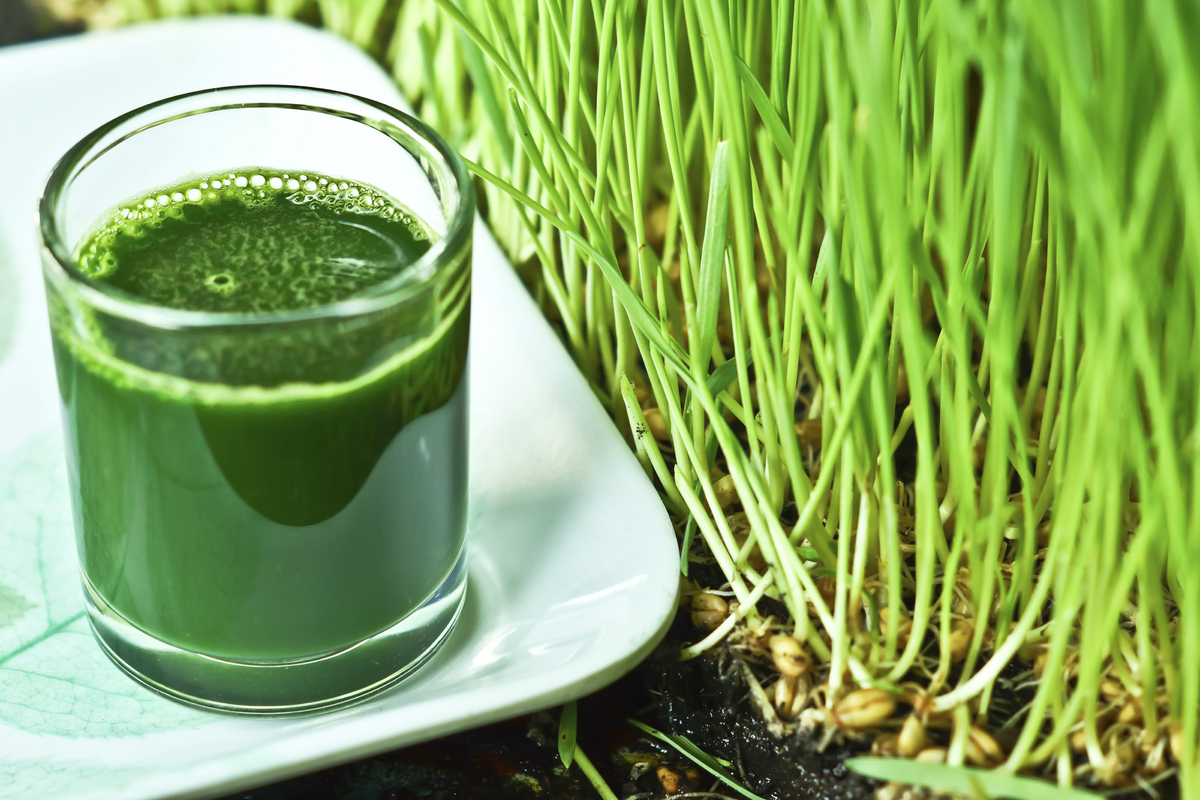
Wheatgrass
slide_358772_3989324_free

If you’ve ever stepped foot in a juice or smoothie shop, you’ve probably seen the option to add a shot of wheatgrass to your concoction. Wheatgrass is a young grass from the wheat family, and is typically seen in capsule or liquid form. And while it’s certainly packed with nutrients — it’s got iron, calcium, magnesium and vitamins A, C and E — it doesn’t really provide anything that special that other vegetables can’t also provide, Gans says. “It’s not going to cause any harm to do a shot of wheatgrass, but is it going to do much more than just having a healthy snack?” she explains. “It is good for you, and it is nutrient-packed,” but you could also just opt to put in a handful of spinach or kale into your smoothie.
Bottom line: Wheatgrass does have health benefits, but other veggies could probably provide you with similar ones.
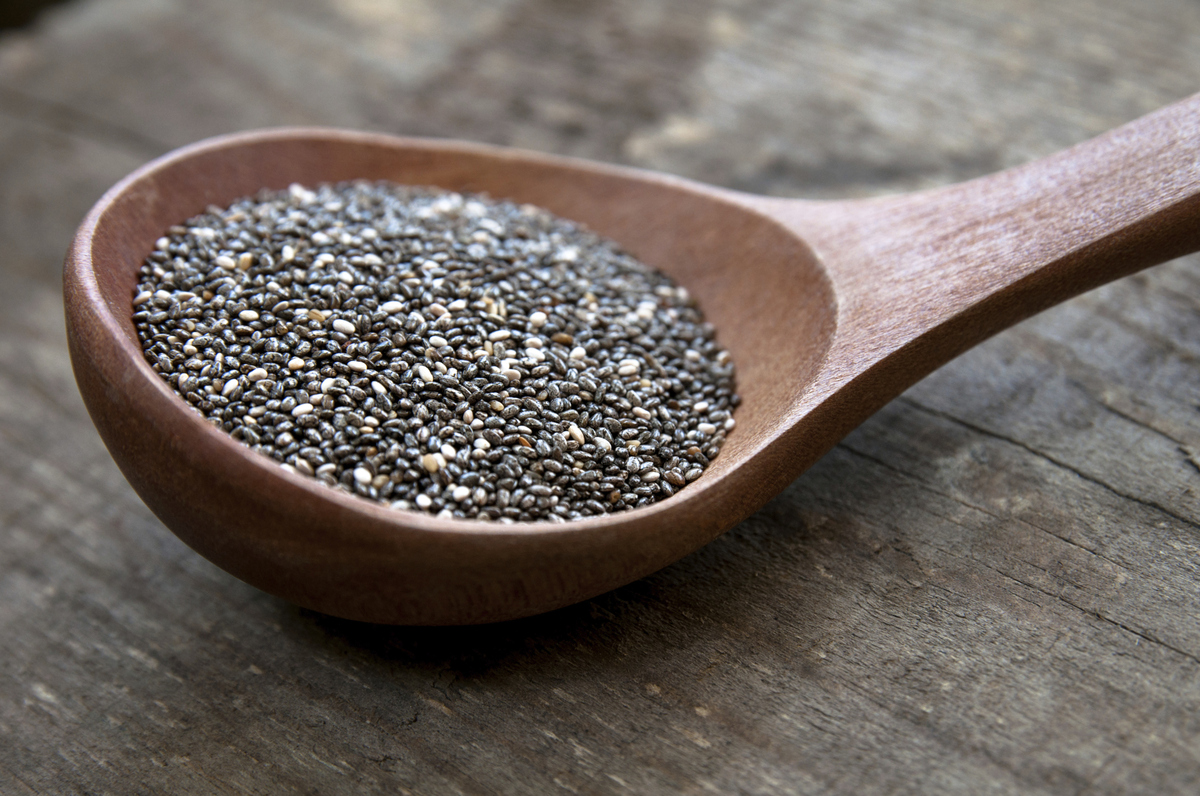
Chia Seeds
slide_358772_3989327_free

Chia seeds are tiny, edible seeds that are packed with big benefits — in fact, just 1 tablespoon has 5 grams of fiber and 3 grams of protein. They also don’t have much of a taste — which makes them a great way to amp up the nutrients of of a salad, smoothie or a bowl of oatmeal, Gans says. They can also help keep you full because they’re such a good source of fiber.
Bottom line: Chia seeds are a good way to sneak some extra fiber and protein into your dishes.

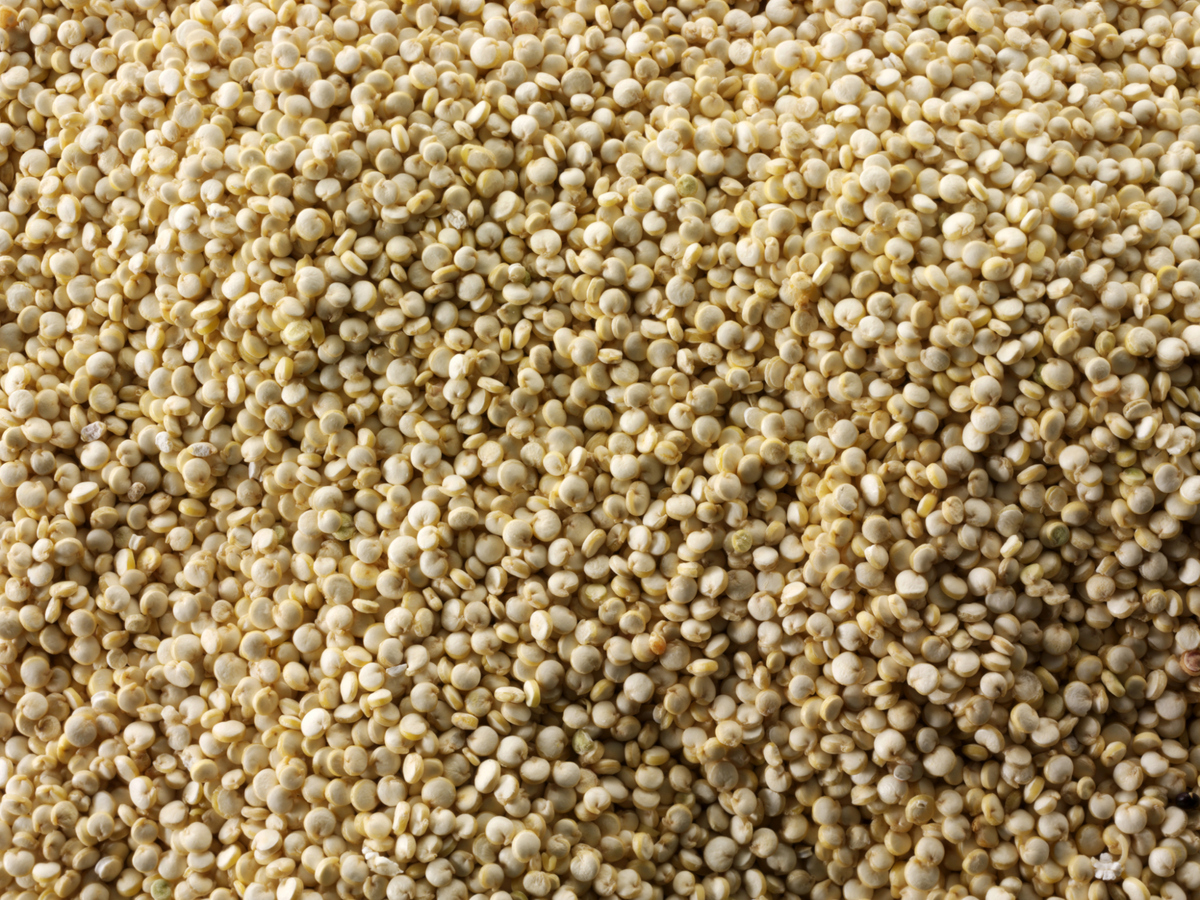
Quinoa
slide_358772_3989328_free

Quinoa may be known as an “ancient grain,” but it’s technically a seed. And it’s probably one of those healthy foods you’ve heard buzz about in the last few years — but is it actually worth the hype? Gans calls it a “great addition to an already hopefully varied diet.” It’s high in protein — it’s actually a “complete protein,” with all nine essential amino acids — and also contains fiber and iron.
Bottom line: Quinoa is a great way to get protein.
Spirulina
slide_358772_3989329_free

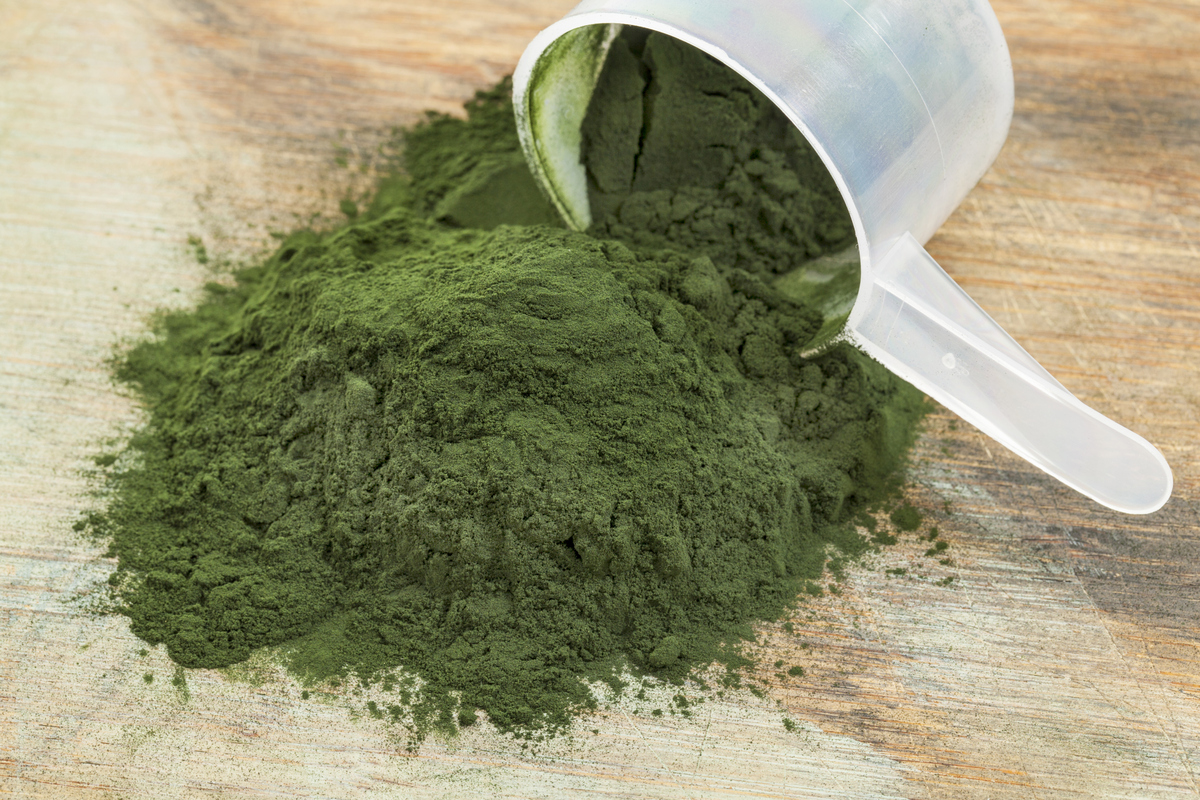
Spirulina is a dark green algae that is most commonly found in dried powdered form. It’s very high in protein — making it an option for vegans who have fewer protein options available to them, Gans says. An ounce of dried spirulina gives about 15 grams of protein, which is around the amount in two jumbo eggs. And spirulina also has beta carotene — an antioxidant — and iron. But for those who eat animal products, you can likely get all these nutrients through cheaper, more readily accessible foods. “So if you’re eating a well-balanced diet, do you need to start spending money and running to the health food store to buy spirulina? I don’t necessarily think so,” Gans says. Instead of adding spirulina powder to a smoothie, you could instead add milk or yogurt to get the protein.
Bottom line: Spirulina is a good way to get protein particularly if you’re a vegan. But if you’re not a vegan, there are other more accessible ways to get protein.
Nutritional Yeast
slide_358772_3989330_free

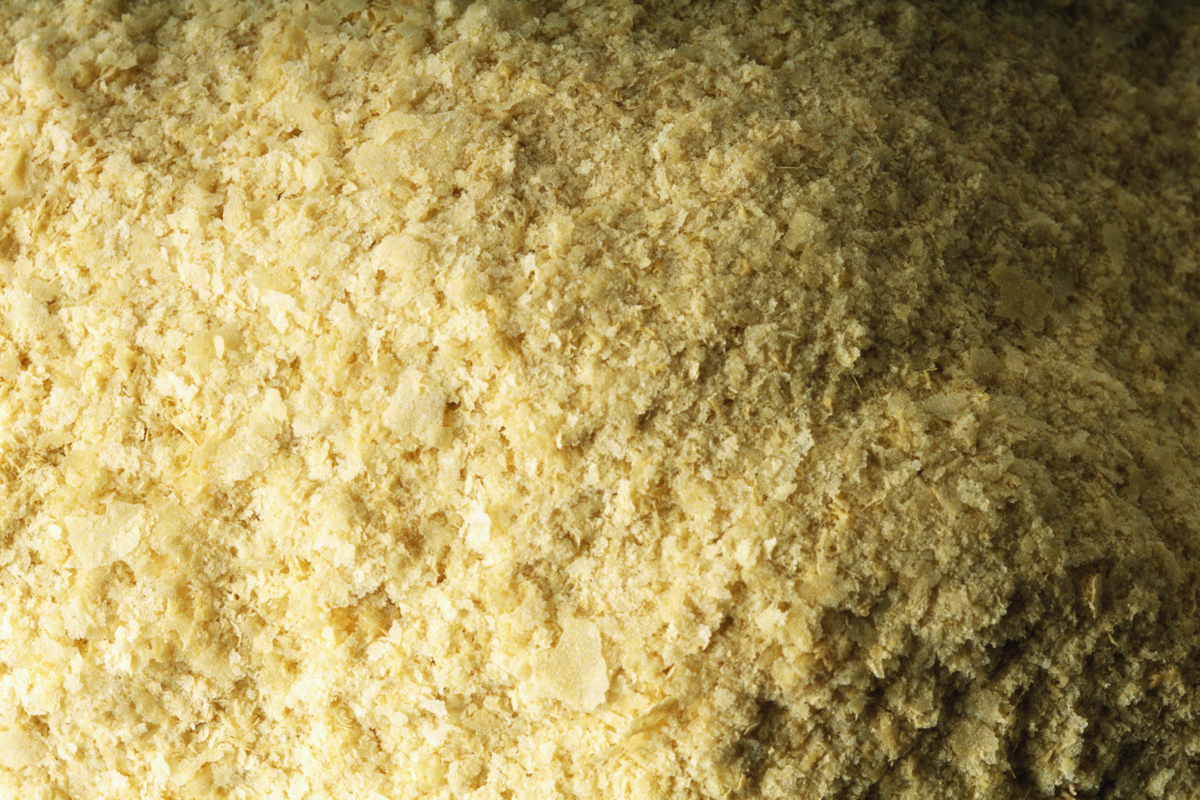
Nutritional yeast is often fortified with vitamin B12, which is a vitamin that many vegans are deficient in because they don’t eat animal products. So just like spirulina, nutritional yeast is a great way of getting B12 — but there’s not really a reason for a consumer of animal products to seek it out if they’re getting B12 from other sources, Gans says. Because of its cheese-like taste, some people sprinkle it on foods in place of cheese — which Gans says is completely fine, if you want to get creative culinarily.
Bottom line: Nutritional yeast is a good way to get vitamin B12 particularly if you’re a vegan. But if you’re not a vegan, there are other more accessible ways to get vitamin B12.
Wheat Germ
slide_358772_3989331_free

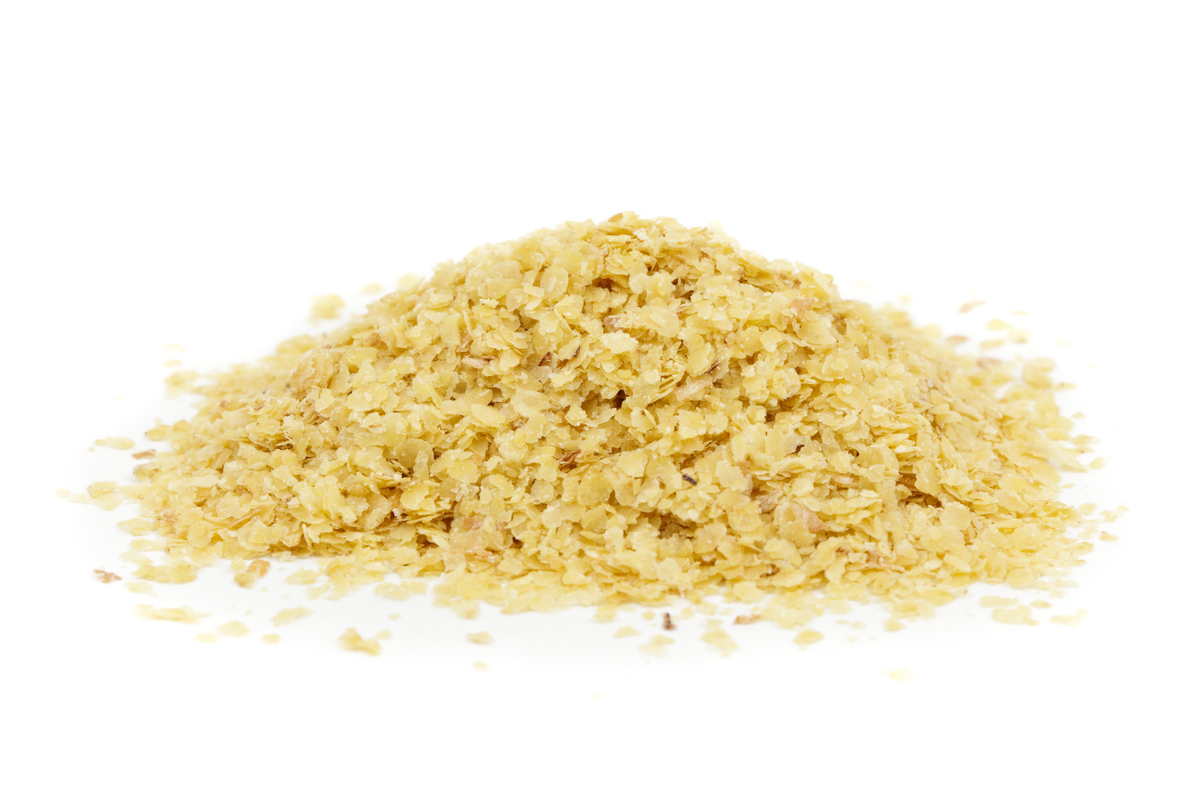
Wheat germ is the inner-most layer of wheat. It’s high in fiber, and also has monounsaturated fats and protein. It can be added to foods like oatmeal or salad, or used as a breading for meat. Basically, wheat germ is “another hidden way to add nutrients to something in areas where most people are lacking,” Gans said.
Bottom line: Wheat germ is a way to add extra fiber to your dishes.
Tempeh
slide_358772_3989333_free
Tempeh is similar to tofu in that both are made from soybeans. However, tempeh is made from cooked soybeans that have been fermented, that are then put into a mold. It’s mostly sold prepackaged in stores, and flavors or spices are added to it. Tempeh is high in protein — providing around 18 grams of it for a 3.5-ounce portion, which is comparable to protein provided by chicken. Tempeh is a good option for people wanting to go meatless — even if not full-time, but just one day a week — since it can be used in place of meat in many dishes, Gans says.
Bottom line: Tempeh is a good meat alternative for people looking to eat a plant-based diet. 
Flaxseedslide_358772_3993431_free

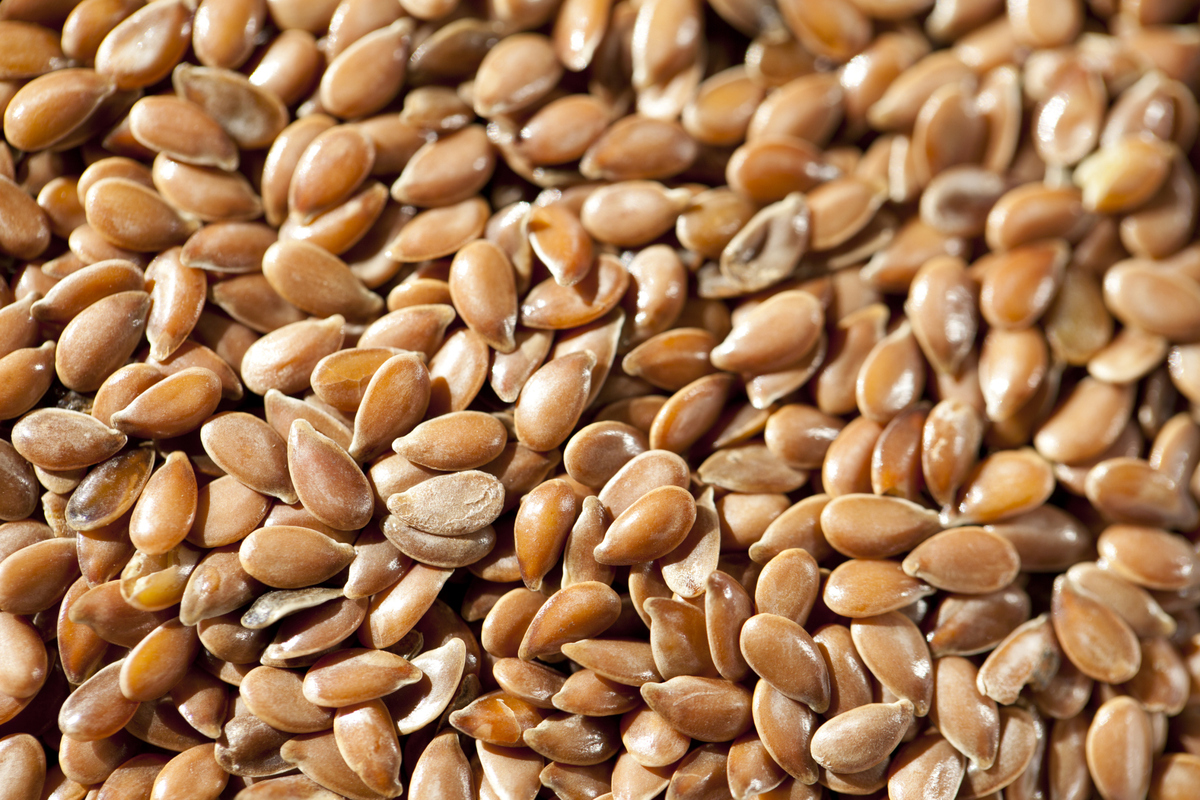
Flaxseed, also known as linseed, is another great way to sneak extra nutrients into your smoothies, cereal or baked goods. It’s high in fiber, and also contains omega-3 fatty acids and protein. Like chia, it doesn’t really have much flavor. But unlike chia, it needs to be ground up in order for the body to digest it fully.
Bottom line: Flaxseed is an excellent way to add extra fiber, protein and omega-3s to your dishes.
Seitan
slide_358772_3993446_free


Seitan is made of wheat gluten, which is the main protein of wheat, and is often used as a meat replacement in dishes. It’s — not surprisingly — high in protein. However, unlike tempeh or tofu which are also commonly used as meat replacements, it actually has a similar texture and flavor to meat. It doesn’t have much flavor on its own, so keep in mind that commercially prepared versions of seitan may be high in sodium or other extra ingredients. Gans notes that seitan is another good meat alternative if you’re looking to go meatless or more plant-based, or just wanting to get creative with your protein sources — just keep in mind how it’s prepared. “Just because it’s seitan, if it’s a fried version, thats not making it any healthier,” she says.
Bottom line: Seitan is a good meat alternative for people looking to eat a plant-based diet; just beware of hidden ingredients added to it to give it flavor.