Sunday, September 7, 2014

Health Benefits of Paneer

About Paneer
For long years, milk and milk products has been most important part of the diet of human. Paneer is also one of the most important milk products, which is used by the human fraternity as a complete proteinecious and healthy food. It is very famous in India by the name Cottage cheese or Chenna which is prepared by the milk at home or factories. It is used for years to make variety of nutritious foods for eating purposes.

History and Origin of Paneer
History and origin of the paneer tells the history of paneer and how it was originated first time in the ancient period. Around 10,000 of years ago, the existence of paneer was discovered accidentally and started using as a nutritious food. There was an Arabian traveler who saw during his desert journey that, sheep’s stomach milk, placed at a canteen, was turned into the cheese curd after few hours. After scientific researches it was found that milk turned into the cheese curd due to the sun heat and rennin (a coagulation enzyme present in the sheep stomach).
From that time it became most popular food and started using in many occasions to prepare cuisines all through the world. During 19th of century, the production techniques of paneer become renovated and revived for large scale production. It is eaten by both vegetarian and non vegetarian people however it has become most famous vegetarian food which can be enjoyed in many ways. It is prepared in two varieties called soft and hard paneer.

Benefits of Paneer

Paneer is mostly liked by all the people as it is very easy to prepare and digest including richest source of healthy nutrients. It is high protein food considered as best food for the body building. Generally it is eaten on daily basis by the vegetarian people to fulfill their protein need of the body. Some of the most important health benefits of the paneer are mentioned below:
Benefits of Paneer for Bones and Teeth
  • Paneer is a high protein food having high level of calcium and phosphorus which helps in building strong bones and teeth. It prevents from various bones diseases like osteoporosis, joints pain and tooth problems like tooth decay and gums problems.
  • It is very energetic food provides instant energy after heavy exercises thus has capacity to fulfill calorie requirement of the body and improves the growth and development of the bones.
  • It helps in lowering the lower body pain, back pain and joint pain.
  • It has Omega-3 Fatty Acids and Omega-6 Fatty Acids which helps in fighting with the rheumatoid arthritis and other bone problems.
  • Its low level of the lactose content helps in protecting the teeth against harmful sugars.
  • Its Vitamin D availability along with the calcium prevents from the tooth cavities by preventing tooth enamels and helps to maintain good dental health.
  • Vitamin K and magnesium found in it calcify the bones and prevents from the skeletal deformation.
Benefits of Paneer for Weight Loss
  • Paneer is high protein diet having monounsaturated and polyunsaturated fat which helps in lowering the body weight, managing weight as well as reducing the risk of insulin resistance syndrome.
  • It has high level of dietary fibers which helps in digestion by improving the metabolism thus helps in reducing the weight.
Benefits of Paneer for Cancer Prevention
  • It is the good source of high quality protein which reduces the risk of various types of cancer such as stomach cancer, breast cancer, colon cancer and etc.
  • It has some cancer protecting agents called conjugated linoleic acid and sphingolipids which reduces the risk of cancer.
Benefits of Paneer for Heart
  • It helps in maintaining the lipid profiles, lowering blood pressure and reduces the risk of cardiovascular diseases like heart attack, stroke and etc.
  • Its potassium mineral level helps to lower the high blood pressure or hypertension among people suffering from the heart problems.
Benefits of Paneer for Diabetes
  • Its omega-3 fatty acid availability helps in decreasing the homocysteine level among diabetic patients.
  • It also reduces the occurrence of type 2 diabetes, development of insulin resistance syndrome (related to the obesity), glucose intolerance and hypertension by improving the macro and micro vascular functions.
  • It helps diabetic people to tackle with all the problem of insulin dependent diabetes.
Benefits of Paneer for Kids
  • As it is the high protein and healthy fat diet, it provides better nourishment to the growing age children.
  • Its availability of good level of vitamins, minerals, calcium and phosphorus provides better and healthy nutrients for growth of bones and brain among kids.
  • It boosts the immune system and haemoglobin count thus prevents the risk of various diseases in children like cough, cold, bronchial asthma and etc.
  • It prevents children from malnutrition and other protein deficiency diseases.
  • Its high level of B group vitamins helps children during the formation and strengthening of cartilages and tissues of the body.
  • It can be given to the children having allergy to milk in order to fulfill the nutritional value in their diet.
Benefits of Paneer for during Pregnancy and Lactation
  • Its high protein value and good fat availability helps pregnant women by giving good level of energy to fight common early pregnancy problems like morning sickness, nausea, weakness, tiredness and anemia.
  • Its omega 3 fatty acid availability prevents the risk of preterm birth defects in pregnant women.
  • Its good level of calcium and phosphorus helps both mother and baby to grow well and healthy.
  • It helps women during pregnancy and lactation by facilitating proper absorption and distribution of the calcium throughout the body.
  • B group vitamins help in proper absorption and distribution of the calcium all through the body.
Benefits of Paneer for Men
Its regular consumption on daily basis helps men by reducing the risk of prostate cancer and other autoimmune disorders.
Benefits of Paneer for Women
  • Its high level of calcium and other minerals and vitamins helps women during menopause in reducing their stress level and depression through good nutrition.
  • Women need more calcium, iron and vitamins than men, thus it is the food which can easily fulfills all the needs.
  • It reduces the occurrences of osteoporosis during menopause by enhancing the calcium absorption, maintaining bone density and relieving from the joints pain.
Benefits of Paneer Water
  • Paneer water is very useful, acts as the cleansing agent and increases the water absorption from the body and maintains the functioning of urinary systems.
  • It is the good source of digestible proteins, thiamin, potassium, vitamin B12, riboflavin, calcium, pantothenic acid, phosphorus, magnesium, zinc, selenium and etc. It can be used for dal, roti, khichdi, soups, vegetable curries and etc.
Benefits of Paneer for Hair and Skin
  • Its high value of B group vitamins, high protein level, omega-3 fatty acids, omega-6 fatty acids and antioxidants helps hair and skin gets healthy, glowing and rejuvenate.
  • Its fatty acids availability provides ability to fight with free radicals and makes skin wrinkles free.
  • Its B group vitamins called niacin prevents from the pellagra or dermatitis.
  • Copper is an important mineral which maintains the brightness and strength of the hair.
Other Health Benefits of Paneer
  • It reduces the risk of bipolar disorder, mania, depression, rheumatoid arthritis, asthma as it contains omega-3 fatty acids.
  • It has anti inflammatory effects on all over the body thus helps in relieving pain and tiredness.
  • It helps in preventing from the calcium oxalate stone formation in the gall balder and urinary system.
  • It is a food rich in trans-unsaturated fat and omega-3 fatty acids which help in preventing from the age related macular degeneration and pneumonia.
  • It also helps underweight people to gain some weight to their body if taken according to their requirement.
  • Eating paneer on regular basis helps in getting prevented from the early ageing by maintaining the health of body systems.
  • It helps the cells to regenerate better and looks body rejuvenates by providing necessary nutrition and prevents people to grow older.
  • It enhances the digestive systems functioning as it activates the hydrolysis of protein.
  • It has high level vitamin B (which is generated in it during fermentation) provide protection against various diseases including Beriberi as well as enhances blood formation, assists in more nutrients absorption by the body and strengthens liver.

All Natural Treatment Options for Multiple Sclerosis

According to the National Institute of Neurological Disorders and Stroke (NINDS) about 250,000 to 350,000 people in the United States have been diagnosed with multiple sclerosis or MS.


Multiple sclerosis or MS is an immune disease in which the body mistakenly attacks itself. In the case of MS, the body attacks the myelin, or fat that surrounds and protects the nerves. During an MS attack, inflammation occurs in random areas of the central nervous system in patches called plaques. The destruction of the myelin occurs next. Once these myelin sheaths are attacked and destroyed the delicate communication process between the nerves, brain, spinal cord and the rest of the body are compromised resulting in decreased or complete loss of function. The name, multiple sclerosis, is for many – multiple, and scars – sclerosis.
People are generally diagnosed with MS between the ages of 20 and 40 although it can exist in many who are currently living with undiagnosed MS. This is because the disease can wax and wane making it very challenging to accurately diagnose. Although the cause is not yet known it is theorized that a viral condition precipitates the onset of MS.
Types of MS
There are four courses of MS. Each one can be mild, moderate or severe. In addition the intensity of the condition can change over time; going into remission only to rear its ugly head again later down the road.
The Four Courses of MS
  • Relapsing-remitting MS (RRMS)
  • Primary-Progressive MS (PPMS)
  • Secondary-Progressive MS (SPMS)
  • Progressive-Relapsing MS (PRMS)
Each of these types of MS has different characteristics. RRMS is the most common type of MS and is characterized by acute attacks then full recovery. PPMS has almost complete disability from the beginning with only mild improvements or remissions. SPMS has limited recovery between attacks and continual progression and worsening of symptoms. PRMS shows as complete disability from the onset with acute relapses and no recovery of significance in between attacks.
Symptoms of MS:
  • Pain
  • Spasticity
  • Muscle Weakness
  • Impairment of senses
  • Tremor
  • Speech and visual disturbances
  • Vertigo
  • Bladder and bowel dysfunction
  • Fatigue
  • Cognitive abnormalities
  • Depression
  • Euphoria
  • Sexual dysfunction
Some people with MS react with pain to heat and experience an increase in symptoms when heat is present either from hot outdoor temperatures or exercise induced heat.
Traditional Treatments of MS
Traditional treatments of MS are the use of highly toxic drugs such as steroids. Other commonly used drugs to treat MS are Valium, Klonopin, aspirin, acetaminophen, codeine, Cylert, Symmetrel, and antidepressants.
As with all pharmaceuticals, costs are high, side effects are extreme in some cases, and treatment is for the symptoms and not the actual disease. When it comes to MS, most medications are used to slow the progression of the disease but not cure it. There is currently no cure for MS.
All Natural, Alternative Treatments for MS
It is recommended that MS sufferers eat more fruits and vegetables that are organically grown. They should also avoid highly processed foods and hydrogenated and partially hydrogenated oils. This includes polyunsaturated vegetable oils, margarine, vegetable shortenings, and deep fried foods.


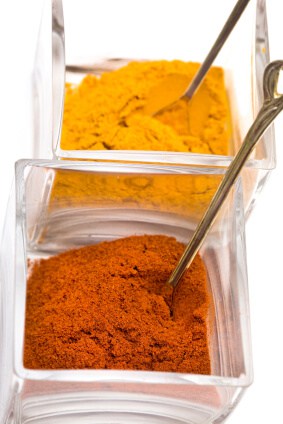
Turmeric and Cinnamon are great anti-inflammatory spices
Turmericcinnamon and ginger should be consumed daily along with a CoQ10supplement at least two to three times per day. In addition take a multi mineralsupplement every day.
It’s also highly recommended to use positive visualization and meditation techniques to relieve stress and help ease MS symptoms.
There has been recent speculation that increasing levels of vitamin D if you suffer with MS can be particularly helpful. This is an interesting approach that seems to work by increasing your safe sun exposure. It has been noted that people living in the Northern Hemisphere are much more likely to suffer with MS than those living by or below the equator.
If you or someone you love is living with MS, it’s vital to explore these all natural methods used to effectively relieve troublesome symptoms and provide some relief.

11 Proven Health Benefits of Garlic

11 Proven Health Benefits of Garlic
“Let food be thy medicine, and medicine be thy food.”
Those are famous words from the ancient Greek physician Hippocrates, often called the father of Western medicine.
He actually used to prescribe garlic to treat a variety of medical conditions.
Well… modern science has recently confirmed many of these beneficial health effects.
Here are 11 health benefits of garlic that are supported by human research studies.

1. Garlic Contains a Compound Called Allicin, Which Has Potent Medicinal Properties

Garlic is a plant in the Allium (onion) family.
It is closely related to onions, shallots and leeks.
It grows in many parts of the world and is a popular ingredient in cooking due to its strong smell and delicious taste.
However, throughout ancient history, the main use of garlic was for its health and medicinal properties (1).
Its use was well documented by all the major civilizations… including the Egyptians, Babylonians, Greeks, Romans and the Chinese (2).
This is what garlic looks like:
Garlic Bulbs and Cloves
The entire “head” is called a garlic bulb, while each segment is called a clove. There are about 10-20 cloves in a single bulb, give or take.
We now know that most of the health effects are caused by one of the sulfur compounds formed when a garlic clove is chopped, crushed or chewed.
This compound is known as allicin, and is also responsible for the distinct garlic smell.
Allicin enters the body from the digestive tract and travels all over the body, where it exerts its potent biological effects (which we’ll get to in a bit).
Bottom Line: Garlic is a plant in the onion family, grown for its cooking properties and health effects. It is high in a sulfur compound called Allicin, which is believed to bring most of the health benefits.

2. Garlic Is Highly Nutritious, But Has Very Few Calories

Calorie for calorie, garlic is incredibly nutritious.
A 1 ounce (28 grams) serving of garlic contains (3):
  • Manganese: 23% of the RDA.
  • Vitamin B6: 17% of the RDA.
  • Vitamin C: 15% of the RDA.
  • Selenium: 6% of the RDA.
  • Fiber: 1 gram.
  • Decent amounts of Calcium, Copper, Potassium, Phosphorus, Iron and Vitamin B1.
Garlic also contains trace amounts of various other nutrients. In fact, it contains a little bit of almost everything we need.
This is coming with 42 calories, with 1.8 grams of protein and 9 grams of carbs.
Bottom Line: Garlic is low in calories and very rich in Vitamin C, Vitamin B6 and Manganese. It also contains trace amounts of various other nutrients.

3. Garlic Can Combat Sickness, Including the Common Cold

Garlic
Garlic supplementation is known to boost the function of the immune system.
One large 12-week study found that a daily garlic supplement reduced the number of colds by 63% compared with placebo (4).
The average length of cold symptoms was also reduced by 70%, from 5 days in placebo to just 1.5 days in the garlic group.
Another study found that a high dose of garlic extract (2.56 grams per day) can reduce the number of days sick with cold or flu by 61% (5).
If you often get colds, then adding garlic to your diet could be incredibly helpful.
Bottom Line: Garlic supplementation helps to prevent and reduce the severity of common illnesses like the flu and common cold.

4. The Active Compounds in Garlic Can Reduce Blood Pressure

Elderly Woman Choosing Between Pills and Garlic
Cardiovascular diseases like heart attacks and strokes are the world’s biggest killers.
High blood pressure, or hypertension, is one of the most important drivers of these diseases.
Human studies have found garlic supplementation to have a significant impact on reducing blood pressure in people with high blood pressure (6, 7, 8).
In one study, aged garlic extract at doses of 600-1,500 mg was just as effective as the drug Atenolol at reducing blood pressure over a 24 week period (9).
Supplement doses must be fairly high to have these desired effects. The amount of allicin needed is equivalent to about four cloves of garlic per day.
Bottom Line: High doses of garlic appear to improve blood pressure of those with known high blood pressure (hypertension). In some instances, supplementation can be as effective as regular medications.

5. Garlic Improves Cholesterol Levels, Which May Lower The Risk of Heart Disease

Heart and Stethoscope
Garlic can lower Total and LDL cholesterol.
For those with high cholesterol, garlic supplementation appears to reduce total and/or LDL cholesterol by about 10-15% (10, 11, 12).
Looking at LDL (the “bad”) and HDL (the “good”) cholesterol specifically, garlic appears to lower LDL but has no reliable effect on HDL (6, 7, 13, 14, 15).
Garlic does not appear to lower triglyceride levels, another known risk factor for heart disease (10, 12).
Bottom Line: Garlic supplementation seems to reduce total and LDL cholesterol, particularly in those who have high cholesterol. HDL cholesterol and triglycerides do not seem to be affected.

6. Garlic Contains Antioxidants That May Help Prevent Alzheimer’s Disease and Dementia

Garlic on Blue Wooden Board
Oxidative damage from free radicals contributes to the ageing process.
Garlic contains antioxidants that support the body’s protective mechanisms against oxidative damage (16) .
High doses of garlic supplementation have been shown to increase antioxidant enzymes in humans (5, 17), as well as significantly reduce oxidative stress in those with high blood pressure (6).
The combined effects on reducing cholesterol and blood pressure, as well as the antioxidant properties, may help prevent common brain diseases like Alzheimer’s disease and dementia (17, 18).
Bottom Line: Garlic contains antioxidants that protect against cell damage and ageing. It may reduce the risk of Alzheimer’s disease and dementia.

7. Garlic May Help You Live Longer

Purple Garlic
Effects on longevity are basically impossible to prove in humans.
But given the beneficial effects on important risk factors like blood pressure, it makes sense that garlic could help you live longer.
The fact that it can fight infectious disease is also an important factor, because these are common causes of death, especially in the elderly or people with dysfunctional immune systems.
Bottom Line: Garlic has known beneficial effects on common causes of chronic disease, so it makes perfect sense that it could help you live longer.

8. Athletic Performance Can be Improved With Garlic Supplementation

Dumbbells
Garlic was one of the earliest “performance enhancing” substances.
It was traditionally used in ancient cultures to reduce fatigue and enhance the work capacity of labourers.
Most notably, it was administered to Olympic athletes in ancient Greece (19).
Rodent studies have shown that garlic helps with exercise performance, but very few human studies have been done.
Subjects with heart disease that took garlic oil for 6 weeks had a reduction in peak heart rate of 12% and improved their exercise capacity (20).
However, a study on nine competitive cyclists found no performance benefits (21).
Other studies suggest that exercise-induced fatigue may be reduced with garlic (2).
Bottom Line: Garlic can improve physical performance in lab animals and people with heart disease. Benefits in healthy people are not yet conclusive.

9. Eating Garlic Can Help Detoxify Heavy Metals in the Body

Garlic With Parsley Leaves
At high doses, the sulfur compounds in garlic have been shown to protect against organ damage from heavy metal toxicity.
A four week study in employees of a car battery plant (excessive exposure to lead) found that garlic reduced lead levels in the blood by 19%. It also reduced many clinical signs of toxicity, including headaches and blood pressure (22).
Three doses of garlic each day even outperformed the drug D-penicillamine in symptom reduction.
Bottom Line: Garlic was shown to significantly reduce lead toxicity and related symptoms in one study.

10. Garlic May Improve Bone Health

Garlic Bulbs
No human trials have measured the effects of garlic on bone loss.
However, rodent studies have shown that it can minimise bone loss by increasing estrogen in females (23, 24, 25, 26).
One study in menopausal women found that a daily dose of dry garlic extract (equal to 2 grams of raw garlic) significantly decreased a marker of estrogen deficiency (27).
This suggests that this garlic may have beneficial effects on bone health in women.
Foods like garlic and onions have also been shown to have beneficial effects on osteoarthritis (28).
Bottom Line: Garlic appears to have some benefits for bone health by increasing estrogen levels in females, but more human studies are needed.

11. Garlic Is Easy to Include In Your Diet and Tastes Absolutely Delicious

Housewife Cooking
The last one is not a health benefit, but still important.
It is the fact that it is very easy (and delicious) to include garlic in your current diet.
It complements most savory dishes, particularly soups and sauces. The strong taste of garlic can also add a punch to otherwise bland recipes.
Garlic comes in several forms, from whole cloves and smooth pastes to powders and supplements like garlic extract and garlic oil.
The minimum effective dose for therapeutic effects is one clove eaten with meals, two or three times a day.
However, keep in mind that there are some downsides to garlic, such as bad breath. There are also some people who are allergic to it.
If you have a bleeding disorder or are taking blood thinning medications, then talk to your doctor before increasing your garlic consumption.
The active compound allicin only forms when garlic is crushed or cleaved when it is raw. If you cook it before crushing it, then it won’t have the same health effects.
Therefore, the best way to consume garlic is raw, or to crush and cut it and leave it out for a while before you add it to your recipes.
My favorite way to use garlic is to press a few cloves of fresh garlic with a garlic press, then mix with extra virgin olive oil and a bit of salt. This a healthy and super satisfying dressing.

12. Anything Else?

For thousands of years, garlic was believed to have medicinal properties. We now have the science to confirm it.


13 Healing Powers of Lemons

13 Healing Powers of Lemons
If you’re not getting fresh lemons into your diet, you may want to reconsider after reading the many health benefits of lemons, lemon juice, pith (the white part), or zest (skin).
Here are 13 amazing healing powers of lemons:
  1. Bowel-Cleansing:  The bitter taste of lemon gives these fruit the ability to increase peristalsis–a pumping-motion in the bowels–which helps to eliminate waste from the bowels and improve regularity.  Add the juice of one lemon to warm water and drink first thing in the morning.
  2. Cancer:  Lemons contain 22 anti-cancer compounds, including limonene—a naturally-occurring oil that slows or halts the growth of cancer tumors in animals.  Lemons also contain a substance called flavonol glycosides which stop cell division in cancer cells.
  3. Colds and Flu:  Lemons are rich in vitamin C and flavonoids that work in conjunction for a serious punch against infection.
  4. Liver:  Fresh lemon juice added to a large glass of water in the morning is a great liver detoxifier.
  5. Nutrition:  Lemons contain vitamin C, citric acid, flavonoids, B-complex vitamins, calcium, copper, iron, magnesium, phosphorus, potassium, and fiber.
  6. Balances Body Chemistry:  While lemons are acidic they interact with the body’s metabolism to have an alkalizing effect on the bodily fluids helping to restore balance to the body’s pH.
  • Allergies:  Lemons contain the phytonutrient hesperetin which has been shown in studies to alleviate allergic symptoms.
  • Brain and Nervous System Disorders:  Containing the potent phytonutrient tangeretin in the peel, lemons have been proven to be effective for brain disorders like Parkinson’s disease.
  • Eye Disorders:  Rutin, found in lemons, has been shown in research to improve the symptoms of eye disorders, including diabetic retinopathy.
  • Anti-Viral:  In addition to being effective against cold and flu viruses, terpene limonoids found in lemons have proven anti-viral effects on other types of viruses.
  • Diabetes: In addition to improving eye problems linked with diabetes, lemons contain hesperetin which lowers blood sugar levels (when they are high).
  • Gall and Kidney Stones:  The citric acid found in lemon juice helps to dissolve gallstones, calcium deposits, and kidney stones.
  • Anti-Aging:  The vitamin C found in lemons helps to neutralize free radicals linked to aging and most types of disease.
  • Cook with Lemon!


    4 Vegetables You Can Plant Now For A Fall Harvest

    4 Vegetables You Can Plant Now For A Fall Harvest
    The cooler weather and shorter days of fall don’t have to mean the end of the harvest from your garden. If you plant some of these classic root crops now, you can still enjoy fresh homegrown produce well into late autumn.
    If you’re a salad-loving gardener, planting a fall garden full of leafy greens is a sure way to extend the harvest season, and if you sow a bed full of short season root vegetables, you can add some variety, and a lot more crunch, to your plate. Before you go out and buy seed, check the average first frost date for your area, and plant accordingly.
    Here are four classic root crops that are well suited to fall gardens:
    Steven Depolo
    Carrots: Carrots are fairly easy to grow from seed, but as with all seeds that require shallow planting, the surface of the soil must stay evenly moist for germination. Covering the beds with a row cover (or a low tunnel) will help hold the moisture in, or lay the row cover right on the surface of the soil and remove it when most of the seeds begin to sprout. Select seeds of carrot varieties with a shorter time to harvest, and when thinning the rows, harvest some of the baby carrots for a sweet and crunchy treat. For some variety in taste and color, plant several different types of carrots, such as purple or white ones.
     woodleywonderworks,
    Beets: If you were traumatized by having to eat canned beets as a kid, you might want to give these root vegetables another try by growing some of your own and eating them fresh from the garden, either raw (thinly sliced beets make great chips for a veggie platter) or cooked. Beet seeds are a bit deceiving, as they aren’t single seeds, but rather a cluster of several seeds, so thinning the rows of beets is a must (and as with carrots, the baby beets that get thinned out can go right into a salad). There are differently colored and sized beets, so planting a mix of varieties will yield a diversity of color and flavor in both the beet roots and the leaves (which are also edible).
    Liz West, 
    Radishes: Radishes are one of the quickest vegetables to mature, depending on the specific variety, with some reaching harvest size in just 30 days. It’s possible to do several successive plantings of radishes in the fall, spaced about a week apart, for a steady supply. If you’ve steered clear of radishes because they tend to be too ‘spicy’ for you, look for some of the sweeter varieties, and sow several different types to learn which ones your family enjoys the most. Radishes can also be grown in the same row as leafy greens, as they will mature and be harvested first, which will then help to thin out the rows of lettuce or other greens.
    Turnips: Turnips don’t tend to be high on the list of favorite vegetables for many people, but these root vegetables are easy to grow in the fall and tend to be somewhat sweeter than those grown in the spring and summer. Some turnip varieties can mature in as little as five weeks, and can be harvested early for roots that are tender and sweet. Even if you don’t care for turnips, they can be grown just for their greens, either by harvesting single leaves from each plant, or by cutting all the leaves at a point several inches above the root (the leaves will grow back for additional harvests). While rows of turnips need thinning to be able to produce sizable roots, it’s not necessary to thin turnips grown for their greens.


    Give peas a chance – 10 health benefits of this small wonder

    green peas
    Peas or matar is a very popular ingredient and is used all over India in dishes like Matar Paneer, Peas Pulao, etc. Even though botanically, peas are considered as a fruit, it is sold along with other vegetables. Soft and delicious to eat, green peas are a powerhouse of nutrients that benefit your body in more ways than one. Here are the top 10 health benefits of peas.
    1. Helps you lose weight
    Peas are low in calories, but rich in nutrients (1 cup of peas contain just 118 calories). They are rich in fibre which makes you feel full for a long time, and this helps in making you eat less.
    2. Good for your heart
    Niacin present in peas reduces bad cholesterol, which is responsible for many heart related diseases. Additionally, it also has many antioxidants which prevents your blood vessels and arteries from getting blocked. A soup made out of peas can even help lower your blood pressure.
    3. Prevents constipation
    When you have constipation, it is important that you consume foods rich in fibre to clear your bowel movements. Eating peas can help since they are rich in fibre. Also, peas improve your metabolism which helps digestion in general. (Read: Top home remedies for constipation)
    4. Great for your bones
    Vitamin K, a nutrient present in peas helps in absorbing calcium making it a great food item for healthy bones. As much as 50% of your daily Vitamin K1 requirement is met by a cup of boiled peas. What more? Nutrients like Vitamin B1 and folic acid helps prevent osteoporosis which is a debilitating condition.
    5. Prevents signs of ageing
    The antioxidants present in peas helps reduce free radical damage. Just like metal rusts after exposure to air, our bodies too suffer from free radical damage. Eating peas slows down this process, and helps prevent signs of ageing.
    6. Helps reduce depression
    Folate present in peas has an impact on your mental health. A study published in Journal of Affective Disorders found that a low intake of folate increased the risk of melancholic depressive symptoms. Depressed people are also advised to eat foods high in antioxidants which peas have in ample quantities. (Read: Depression – understanding it is half the battle won)
     7. Can help prevent stomach cancer
    Peas have antioxidants and anti-inflammatory agents which keep your body healthy and prevent chances of having cancer. In particular, a polyphenol called coumestrol has been associated with decreased risk of stomach cancer.
    8. Improves your immunity
    A strong immune system ensures that your body is capable of fighting infections and keeps you free from diseases. Peas are a good source of Vitamin C, along with many other nutrients which improves your immunity.  (Read: Immunity-boosting foods that are available in India and easy on the pocket!)
    9. Prevents anaemia and fatigue
    Power packed with iron, peas can help prevent anaemia and fatigue, especially in women.  The high vitamin content helps ensure that you don’t feel fatigued after a tiring day.
    10. Great for your child’s growth
    Apart from being rich in vitamins and antioxidants, they are also a good source of proteins. This makes it an ideal food for your child. Serve it as matar paneer, make a green peas sandwich or just make a green peas soup. Children will love it!
    All these properties is proof that big things can come in small packages. So make sure you include peas in your food preparations to give your family a long and healthy life! 

    7 Health Benefits of Apple Cider Vinegar

    7 Health Benefits of Apple Cider Vinegar
    I discovered that apple cider vinegar has many beneficial properties but most of the claims floating around in cyberspace are unfounded in research. Here are some of the evidence-based benefits of apple cider vinegar:
    Improve Insulin Sensitivity in Diabetes
    Several studies demonstrate vinegar’s ability to improve insulin sensitivity and lower blood sugar responses when eaten as part of meals or taken before bedtime, which may offer help in the treatment of diabetes.  Here are links to a few of the studies, if you’re interested in learning more:  Annals of Nutrition and MetabolismEuropean Journal of Clinical Nutrition, another European Journal of Clinical Nutrition study, and Diabetes Care.
    Regulate Blood Chemistry in Diabetics
    Improving insulin sensitivity isn’t the only way apple cider vinegar appears to help diabetics.  It has been shown to help normalize other aspects of blood chemistry as well.  Research showed that apple cider vinegar helped regulate blood chemistry of diabetic animals fed the vinegar as part of their regular diet for four weeks.
    Reduce E. Coli on Produce
    The Journal of Food Protection assessed the effects of spraying various solutions on lettuce inoculated with E. coli.  While the apple cider vinegar did not kill the E. coli completely, it helped to reduce the numbers of the bacteria linked with food poisoning yet did not affect the taste of the lettuce or its crispness.
    Regulate Effects of Dietary Cholesterol
    In a study published in the Journal of Membrane Biology, researchers studied the effects of a high cholesterol diet on animals fed apple cider vinegar versus animals that only ate the high cholesterol diet.  They found that the apple cider vinegar exerted a protective effect on the liver and kidneys, among other protective benefits.
    Aids Weight Loss
    While there are conflicting studies about apple cider vinegar’s effects on obesity and weight loss, according to research in the European Journal of Clinical Nutrition, apple cider vinegar can help reduce the number of calories eaten at a meal by between 200 and 275.  Additional study results published in the journal Bioscience, Biotechnology, and Biochemistryalso showed that vinegar helped with weight loss in obese individuals.
    Its Chlorogenic Acid May Help with Heart Disease
    Apple cider vinegar contains the nutrient, chlorogenic acid which, according to the journal Biochemical Pharmacology, helps prevent LDL cholesterol, also known as the “bad cholesterol” from oxidizing, which is an important step in the progression of heart disease.
    Reduce Bacteria in Oral Infections
    A study published in the journal Oral Surgery, Oral Medicine, Oral Pathology, Oral Radiology and Endodontics found that apple cider vinegar demonstrated antibacterial activity against a bacteria known as E. faecalis, which can be linked to infection in root canals and elsewhere in the body.
    Anti-Cancer Effects?
    There is a lot of internet hype about apple cider vinegar’s anti-cancer effects but the research doesn’t really support it.  While some studies showed anti-cancer effects of rice vinegar and sugar cane vinegar in laboratory settings, there is little research on apple cider vinegar and whether it has any anti-cancer effects.  So, it may have anti-cancer effects, but it might not.  We’ll have to wait for the research to find out.
    How to Benefit
    Keep in mind that you should never drink apple cider vinegar undiluted.  Always use it diluted in water or juice or mixed with oil in a salad dressing.  The vinegar is an acid that can burn the delicate mucus membranes of the digestive tract.  Most nutrition experts recommend choosing an unfiltered, unpasteurized apple cider vinegar with the “mother” left intact.  This is the collection of beneficial microbes that convert apple cider into apple cider vinegar.

    Saturday, September 6, 2014

    Reflexology | Foot Reflexology

    Foot Reflexology !!

    Massage the part of your foot that corresponds to the part of your body that hurts and it will slowly reduce and eventually get rid of pain. Helps promote blood circulation to that particular part of the body.

    Please Share with everyone you know....!!


    HEALTH BENEFITS OF APPLE


    We're told that an apple a day keeps the doctor away, but what exactly are the health benefits of apples? Here are ten reasons to heed the advice of that old proverb:

    1. Bone Protection 

    French researchers found that a flavanoid called phloridzin that is found only in apples may protect post-menopausal women from osteoporosis and may also increase bone density. Boron, another ingredient in apples, also strengthens bones

    2. Asthma Help 

    One recent study shows that children with asthma who drank apple juice on a daily basis suffered from less wheezing than children who drank apple juice only once per month. Another study showed that children born to women who eat a lot of apples during pregnancy have lower rates of asthma than children whose mothers ate few apples

    3. Lung Cancer Prevention 

    According to a study of 10,000 people, those who ate the most apples had a 50 percent lower risk of developing lung cancer. Researchers believe this is due to the high levels of the flavonoids quercetin and naringin in apples

    4. Breast Cancer Prevention 

    A Cornell University study found that rats who ate one apple per day reduced their risk of breast cancer by 17 percent. Rats fed three apples per day reduced their risk by 39 percent and those fed six apples per day reduced their risk by 44 percent

    5. Colon Cancer Prevention 

    One study found that rats fed an extract from apple skins had a 43 percent lower risk of colon cancer. Other research shows that the pectin in apples reduces the risk of colon cancer and helps maintain a healthy digestive tract

    6. Liver Cancer Prevention 

    Research found that rats fed an extract from apple skins had a 57 percent lower risk of liver cancer

    7. Alzheimer's Prevention 

    A study on mice at Cornell University found that the quercetin in apples may protect brain cells from the kind of free radical damage that may lead to Alzheimer's disease.

    8. Lower Cholesterol 

    The pectin in apples lowers LDL ("bad") cholesterol. People who eat two apples per day may lower their cholesterol by as much as 16 percent

    9. Diabetes Management 

    The pectin in apples supplies galacturonic acid to the body which lowers the body's need for insulin and may help in the management of diabetes

    10. Weight Loss 

    A Brazilian study found that women who ate three apples or pears per day lost more weight while dieting than women who did not eat fruit while dieting