Monday, October 6, 2014

Health Benefits of Grapes

The rich nutrition and anti-oxidants in grapes
make this fruit wonderfully healing and
is a miracle help for many ailments.

Description
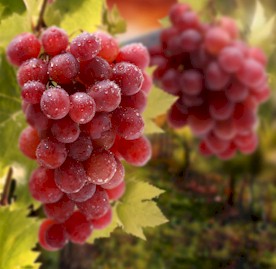
Grapes are a form of berry. They are round or oval in shape with a variety of sizes, colors and tastes. Its sizes vary from as small as a pea to as big as a plum! Its skin ranges in colors, anything from white to black, with a semi-translucent flesh. Depending on the variety, there are grapes with seeds, and some seedless, tasting from sweet to sour.
Red grape juice or red wine has high concentration of a compound called resveratrol, which is not found in white wine, mainly because of how the wine is made. This compound has anti-aging, anti-cancer, anti-inflammation and anti-viral properties.
Grape seeds contain rich flavonoids that are powerful in fighting and protecting against many diseases. When juicing grapes, juice the seeds and all.
Nutritional Benefits
Like other berries, grapes are highly nutritious and valuable with plenty curative agents. It has high content of vitamins A, B1, B2, B6 and C. It also contains many health-promoting flavonoids. The deeper the color of the grapes, the richer the flavonoids.
The abundance of minerals include calcium, chlorine, copper, fluorine, iron, magnesium, manganese, phosphorus, potassium, silicon and sulfur.


Grapes contain large amounts of tartaric and malic acids. Also present in grapes are other acids like succinic, fumaric, glyceric, p-coumaric and caffeic, each functioning quietly with its own wonderful healing properties.
Grape skins are loaded with beta-carotene and lycopene, and other phytonutrients like ellagic acid, resveratrol and sulfur compounds.
Grape seeds have highly protective flavonol anti-oxidants that scavenge free radicals and promote the growth and repair of tissues.

Health Benefits
Although most variety of grapes are very sweet, its glycemic index is still at a very safe level of 50. In fact, grape juice is an excellent stimulator of your body metabolism in helping to burn excess food and waste. It supplies heat and energy to the body in a short space of time after drinking.
Here are the many more health benefits of grapes or its juice:
Anti-coagulant:  The juice from this tiny fruit can help prevent blood clotting and in the process, help improve blood circulation which would generally improve on overall health.
Anti-inflammation:  The anti-inflammatory agents in grapes greatly help reduce the risks of inflammatory problems like rheumatism, gout and asthma.
Atherosclerosis:  Resveratrol in grapes is a good scrubber of arterial deposits, thus it effectively helps reduce the risk, or even reverse atherosclerosis.
Bladder:  Highly cleansing to the bladder, cleaning out the stones and improving urination, improves bile flow and elimination of waste materials.
Cancer:  The rich and high content of anti-oxidants in cancer are superb for the prevention of cancer.
Constipation:  Grape juice is a mild laxative and helps clear up the bowels. Take about 200 ml twice daily for chronic constipation.
Eyesight/vision:  The flavonol compounds in grape seeds are effective for the treatment of night blindness, retinal disorders and vision improvement.
Fever:  Drink grape juice consistently to reduce fever. It would also help relieve fatigue and provide energy to the body.
Heart disease:  Grapes are beneficial in toning up the heart, reduce heart pains, and can normalize heart palpitations. To enjoy the benefits, go on a grape diet for a few days.
Indigestion:  A gentle and natural home remedy for indigestion.
Mouth and throat infection:  Drink juice of unripe grapes to help clear infections in the mouth and throat.
Migraine:  Certain compounds in grapes make this miracle juice powerfully effective in relieving headaches and migraine.
Kidney:  Grape juice is diuretic and is excellent for cleaning out the kidney and may help remedy kidney stones.
Liver:  The abundance of minerals in grapes stimulate the cleansing activity in liver, helps to detoxify.
Skin:  The highly cleansing properties of grape juice and the high vitamin C content is very beneficial for the skin and helps reduce acne.
Consumption Tips
Grapes are among fruits that have high pesticide residues. Try to choose organic where possible. If not, take the trouble to soak the tiny fruits in water with some salt and vinegar to rid it of the pesticides.
Soak for about 10~15 minutes, then rinse and pat dry. Store in refrigerator to maintain its freshness for a few days.

Caution
Individuals with a medical history of calcium oxalate kidney stones should avoid the “Concord” variety of grapes that contain high levels of oxalates.
Grapes is one of the few fruits which have glucose, the fast releasing sugar, making it a high glycemic index food. Still drink grape juice for its numerous health benefits, but dilute it with water or other less sweet juices. If you are normally healthy, drinking grape juice should not pose any problem.


Clenched muscles and cramps in the calves


Although I don’t have a weight loss issue, I have been under a great deal of stress for many years. Among other symptoms, I have noticed clenched muscles and muscle cramps in the calves of my legs. I do juice on a daily basis and I will now try to incorporate more potassium rich foods. Thanks for the great advice!

Sara says:
Thank you for sharing that. Yes, you are exhibiting the symptoms of excessive cortisol. Of all the stress hormones produced by your adrenals, cortisol stays in the blood longest.
I cannot urge you enough to learn about how to adjust your diet and exercise if you are experiencing this right now. Almost every health problem that is female related is exacerbated by stress and adrenals that are fatigued.
Osteoporosis, hot flashes, weight gain that develops on the hips and thighs and then after menopause, travels up to the mid-section, fatigue, difficulty thinking clearly, depression, premature atrophy of breasts, thighs and upper arms, reduction in collagen, dehydration, etc.
All stem from adrenals that are over-stressed to one degree or another. It seems so simple, but glandular relationships are often overlooked. After the clenching of muscles will come fatigue, feeling of dehydration no matter how much you drink, feeling out of breath, weight gain in the midsection, dry-eyes, joint pain, muscles atrophy, just to name a few.
When approaching menopause the body will take on a life of its own and you will feel like you have absolutely no control over what it wants to do. Hot flashes will be more intense. And the chances of osteoporosis increase dramatically.
So if you are feeling the clenching of muscles now, learn how to reverse it NOW. There are two things that you can do immediately to help:
One, sleep early and sleep enough. Sleep is when the body heals and when growth hormone and testosterone are released. These rebuild your nerves and body to deal with stress better. Try and set a goal to be asleep by 10.30 PM at the latest.
Two, Eat a high protein breakfast. The greatest surge of cortisol in the day, other than after intense exercise is in the morning. Not eating breakfast and/or eating a high starch or high sugar breakfast will make your blood sugar spiral downwards. So eat a high protein breakfast.
If you are getting the muscle clenching when you sleep, eat some high potassium raw foods like celery and lettuce before sleeping. Drink some Cal-Mag or Natural Calm Magnesium before sleeping. If you are not having a hard time sleeping now, it will come.
Do not do any intense high heart rate exercise until you do not have this clenching anymore. One last thing for you is – do not let yourself get hungry. This will make your muscles clench more. It is just another form of stress.

Pregnancy Nutrition Guide

Heed this important nutrition guide.
You can enjoy your pregnancy
by having a safe and healthy one.

Your Pregnancy Nutrition Needs
Pregnancy is one of the most demanding time of any woman’s life, nutritionally speaking. During this time, you need all the best nutrients you can get to support the growth of your developing baby.
Even before you conceive, you should eat healthily for at least six months to prepare your womb, eat healthily throughout your pregnancy, and thereafter.
The health of your child up to his adulthood is formed from the moment he is conceived.
At each trimester, you as a pregnant woman, will be faced with different sets of challenges. It is important that you eat the right food at every stage to ensure that you supply the nutrients your baby needs to develop.
Know the key nutrients that you will need, not only for your baby, but also for yourself.

Nutrition at Each Stage
There are many sites out there that teach you pregnancy step-by-step. I will not go into detail about the entire pregnancy cycle but will highlight here some of the foods that you should take more of, and foods to avoid.

Before You Get Pregnant
If and when you are planning to get pregnant, endeavor to eat balanced and healthy meals to supply your body with all the best of nature’s nutrients. Include plenty of fresh fruits, vegetables and whole grains into your diet.
Some of the most important nutrients you will need are calcium, vitamin D, iron and folate. Your need for essential nutrients are doubled when you’re pregnant. Try to get most of your nutrient needs from nutrient-dense and healing foods such as fresh green leafy vegetables and fruits.
Increase on your intake of vitamins B6 and B12. Besides supplements, these essential vitamins can mostly only be found in animal products, and you will need to eat them in large amount before you will achieve the required daily amount. And there is only so much meat you can eat.
I have found that a very efficient and safe way to take these rare vitamins (in a vegetarian’s diet) is by taking chlorella and spirulina which contain very high amount of vitamins B6 and B12 which help not only to greatly reduce morning sickness, but vital to developing your baby’s nervous system and brain.
Quit alcohol and caffeine as these will significantly reduce your chances of conceiving. And be sure you keep this out of your diet when you do get pregnant.
During this time also, get into shape by exercising. Exercise will help lessen your hormonal swings and if you continue exercising throughout your entire pregnancy, it can also help tremendously during labor and childbirth.
If you are underweight, try to achieve your ideal weight before you get pregnant, to lower the risk of pre-term or low-weight baby. Check your BMI to know if you are underweight.

During the First Trimester
Congratulations! Now that you are pregnant, you are elated, and there are 1,001 things to think about. But remember, one of the most important things you have to bear in mind is to maintain optimal health through proper nutrition. Continue with your healthy and balanced meals.
Most women have morning sickness during the first trimester. You cannot totally eliminate vomiting sometimes, but you can reduce the frequency of it. One of the ways is to snack frequently on small amounts of food. Do not allow your stomach to go hungry, and avoid motion (e.g. sitting in a car) that aggravates the nauseous feeling.
Here are some suggestions of healthy snacks that you could munch on to reduce your morning sickness: apples, oranges, celery or carrot sticks, any kinds of nuts, and whole wheat crackers. You might also try drinking ginger ale that will help calm the nauseating feeling.

During the Second Trimester
Most mothers agree that the second trimester is the best time of pregnancy. I know I do! The morning sickness has subsided by this time, and you will feel more energetic. Fetal movements begin from about the 18th week, making you feel connected to the baby.
However, you will continue to experience many new changes to your body. Continue to eat healthily and know what foods you should avoid. I list below, some of the minor problems you may encounter during this time. Listen to your instinct and be sure to check with your gynecologist if you feel that these are beyond normal.
  • Constipation:  Relief constipation by taking plenty of fruits, vegetables and fluids. Eat a diet high in fiber and exercise regularly.
  • Heartburn:  The growing fetus pressing on the stomach may increase the chances of acid reflux.
  • Leg and foot cramps:  There are several reasons why you may get leg/foot cramps during the second trimester. You can also help reduce it with proper nutrition.
  • Nasal congestion:  Mucus membranes swell, causing nasal congestion or a stuffy nose.
  • Shortness of breath:  The raging hormones may affect the blood flow and muscles in the lung, causing shortness of breath.
  • Skin:  Acne is common because the skin’s sebaceous glands increase their oil production. Hormones may also cause darkening of skin pigment which disappears after baby is born.
  • Swollen gums: This is a painful and terribly unpleasant condition, possibly caused by the increased blood flow and hormonal changes. Reduce (table) sugar intake.

   
During the Third Trimester
The third trimester is the stage of preparation for childbirth. You would be seeing rapid fetal growth and your baby would demand more nutrients as he is developing fully. Pay attention to his needs and ensure that you get sufficient calcium, iron, protein and other essential vitamins and minerals.
While some symptoms from the first and second trimester have passed, new symptoms would develop. You would be feeling most discomfort—lower back pain, leg cramps, swollen feet, frequent urination or uncontrolled bladder, easily tire, difficulty sleeping, and so on.
When you have eaten healthily and provided all the important nutrients for your baby, much of your anxiety will also be alleviated knowing that you are building an important foundation for your baby’s well-being when you bring him/her into the world. Well done, mommy!

Foods to Avoid During Pregnancy
We know that during pregnancy most women would have cravings for any kind of food, some even crave for inedible food!! Whatever your cravings, remember that moderation rules. There are some foods that may harm your baby, so look out to avoid:
  • Greasy, fried and highly spiced foods:  Especially during the first trimester as it will aggravate your morning sickness
  • Alcohol:  Alcohol passes through the placenta and prevents your baby from getting oxygen and nutrients. Heavy drinking during pregnancy will hinder or damage your child’s development.
  • Raw eggs:  Avoid raw eggs, even though you may love them. Raw eggs may carry food-poisoning salmonella bacteria. Severe diarrhea or vomiting caused by raw eggs may stress your baby and lead to preterm labor. On the other hand, cooked eggs are essential for its rich source of protein and choline. Avoid eggs during the last trimester to prevent your baby putting on too much weight, making it difficult for delivery.
  • Raw meats:  Like raw eggs, undercooked or raw meats may carry salmonella, E.coli and other bacteria that may cause food poisoning. Severe diarrhea or vomiting may cause miscarriage or preterm labor. And avoid that sashimi and sushi too!
  • Cured meats:  Cured or smoked meats such as ham, hot dogs, bacon, luncheon meat, sausages contain sodium nitrate and/or sodium nitrites that increases the risk of babies having brain cancer.
  • Bitter gourd:  The active constituents (alpha and beta monorcharins) in bitter melon is not suitable for pregnant women’s consumption as it may stimulate the uterus.
  • Fish with mercury:  Swordfish have been found to contain the highest level of mercury among all edible fish. Mercury is a potent human neurotoxin that can significantly damage the fetal nervous system. Other fish in this group to avoid are mackerel, shark, trout, tilefish, and certain tuna.
  • Saffron: Saffron is generally a safe spice, but when taken in excessive amount can be toxic or even deadly, causing hemorrhages. Avoid saffron during pregnancy and when nursing.
Read also the Women’s Sexual Health page for extra tips on staying healthy as a woman.

Recommended Healing Foods for a SAFE Pregnancy

Note: Diabetic mothers should take less fruits and more vegetables.
Spinach and asparagus are excellent source of anti-oxidant, flavonoids, iron, and folic acid. Asparagus helps increase the glutathione level that is crucial in the development of the fetus. Add a tomato for its calcium and phytoestrogens.
Kale and broccoli (or cauliflower) provide outstanding amount of calcium that is important for a pregnant woman who needs plenty calcium for herself and her baby’s development. Include celery for its organic sodium and minerals that hydrates the body cells and have an immense amount of health benefits, also for bone building.
 Carrot Spinach Asparagus Tomato
 Kale Cabbage
 
Broccoli
 Cauliflower

Watermelon

Beetroot

Lime & Lemon

Ginger

Watermelon and beet are highly diuretic and cleansing. Watermelon juice contains vitamin C, beta-carotene (pro-vitamin A), anti-oxidant, and lycopene that may help reduce the risk of preeclampsia. Beets are rich in calcium, potassium, iron, copper, and folic acid, all necessary for a healthy pregnancy.
Drink watermelon juice during the second or third trimester to reduce the water retention that most pregnant woman will suffer at the later stage, and reduce your salt intake.
Don’t limit yourself only to those listed above. Include lots of fruits and vegetables into your daily diet to give your baby a strong health start to life.

Some Suggested Combos (measurement for one portion):
  • 2 green apples + a bunch of spinach + 6-7 stalks asparagus + ¼ lemon slice + thumb-size young ginger
  • 2 green apples + 2 ribs celery + ¼ small cabbage + ¼ lemon slice
  • ¼ small watermelon + ¼ lemon slice
  • 2 carrots + 1 medium-size beetroot + ¼ lemon slice
  • 2 green apples + 1 cup broccoli + 1 cup cauliflower + 6-7 stalks asparagus + ¼ lemon slice
  • 1 carrot + 1 green apple + 1 orange + 1 tomato

Health Benefits of Bean Sprouts

The health benefits of beans
are at its peak when sprouted.
They are highly concentrated with
enzymes, richest source of proteins,
moisture, vitamins and minerals.

Description
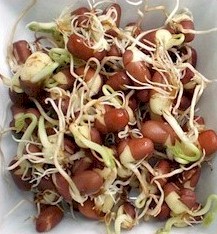
When talking about bean sprouts, most people think of mung bean sprouts, which are the most commonly used bean sprouts. But a variety of many other beans and seeds can be sprouted, includingalfalfa seeds, sunflower seeds, kidney beans, white beans, peas, lentils and adzuki beans.

In general terms, bean sprouts are the tender, edible shoots of certain bean plants. They are the result of the germination process, through which the nutritive ingredients found in beans and seeds become profoundly modified: starch is converted into glucose and fructose, bean proteins are predigested by specific seed enzymes and transformed into amino acids and more digestible protein nutrients, the water content increases, as well as the vitamin and mineral content does.
Bean sprouts have been used for centuries for their nutritional and medical benefits. They can be eaten raw or lightly cooked or they can be juiced. Flavor varies from sweet delicate to sharp intense, depending on the type of sprout.

Nutritional Benefits
Bean sprouts are a true concentrate of energy and nutritive principles. Unlike ripe vegetables, whose nutritional value progressively decreases after they have been harvested, bean sprouts retain their nutritional properties until consumed.
Bean sprouts have the richest source of amino acids (for protein), vitamins and minerals, and also contain a good amount of fiber. They contain all types of vitamins (A, B, C, D, E and K), folate and are an excellent source of iron, potassium, calcium, phosphorous, magnesium and zinc.
Other nutritional benefits vary depending on the type of sprout. It is interesting to note that mung bean sprouts contain estrogen-like phytochemicals, called isoflavones, which are responsible for some of the many healthy proprieties of these sprouts.

Health Benefits
Sprouts from all beans and/or seeds are so high in highly digestible nutrients, vitamins and minerals that can be considered true multi-ingredient natural supplements. However, here we will focus on the health benefits of mung bean sprouts, which are the most commonly consumed sprouts all over the world and the most studied by researchers.
Anemia:  Mung bean sprouts (as well as other types of bean sprouts) are rich in iron, which play a key role in the synthesis of hemoglobin, the protein found in red blood cells. They are also particularly high in vitamin C, which enhances the absorption of iron from the intestine, thereby helping prevent or treat anemia caused by iron deficiency.
Cardiovascular health:  When associated with a low intake of saturated fats (found in meat, poultry and dairy products), the regular consumption of mung bean sprouts can help reduce the blood levels of LDL-cholesterol due to its content in fiber and lecithin. This effect is beneficial to the heart and vessels, since it helps prevent the development of atherosclerosis, the most common cause of cardiovascular disease.
Constipation:  Due to their high content in fiber, mung bean sprouts can help improve intestinal motility and relieve the signs of constipation.
Hair and nail fragility:  Hair and nail fragility is often the result of certain nutritional deficiencies, especially proteins, vitamins and zinc. Mung bean sprouts contain high amounts of all these nutrients in a readily available form, and hence they are particularly helpful in preventing and treating hair and nail problems.
Liver health:  Mung bean sprouts are an excellent source of lecithin which, besides lowering blood cholesterol levels, helps reduce liver fat, thereby preventing fatty liver, a common liver condition that can result in liver dysfunction.
Menopause:  Mung bean sprouts are rich in phytoestrogens, which have a weak estrogen-like activity. That’s why they can help relieve many symptoms associated with menopause (such as hot flashes and heart palpitations), which are the result of decreased estrogen levels. Phytoestrogens found in mung bean sprouts are also effective in counteracting menopause-related osteoporosis.
Skin anti-aging effect:  It has been shown that phytoestrogens found in mung bean sprouts act on certain estrogen-receptors found in the skin, stimulating the synthesis of hyaluronic acid, collagen and elastin, which are vital components of the skin’s structure. Therefore, the regular consumption of mung bean sprouts can help prevent many age-related skin changes, including elasticity and moisture loss.
Stress and tiredness:  Mung bean sprouts are a source of readily available energy and other nutrients which are particularly helpful in fighting the signs and symptoms of mental and physical stress and tiredness.

Consumption Tips

They can be juiced, as well but usually added to other vegetable juices. To get used to their flavor, it is better to start with a handful of sprouts added to other green juices and then increase the amount depending on your taste.
Most sprouts can be eaten raw;  if cooking them, sauté very lightly or just a quick blanch or light steam. Do not overcook. Whether raw or cooked, bean sprouts can be used in a variety of dishes, including appetizers, salads, side dishes and snacks.

Caution
Commercially produced raw sprouts have been associated with food-borne illnesses as the high levels of moisture and heat generated during the sprouting process may have been conducive to the growth of bacteria.
Always ensure that sprouts are kept at refrigerator temperature. Throw away sprouts that smell, have turned dark or are slimy. Rinse sprouts thoroughly with water before consumption.
Some people are allergic to the proteins found in certain legumes or legume sprouts, and hence they are recommended not to consume them at all.

Beauty Remedy for Bright Eyes


There are various reasons why you get dark circles under the eyes. Here are some common reasons:
Genetic, smoking, medication, sun damage, food allergies, nasal congestion, dehydration, fluid retention, iron deficiency, lack of restful sleep and stress. More serious problems could be due to poor adrenal and kidneys functions.
Knowing the cause then, avoid/prevent wherever possible. E.g. Stop smoking, stay out of the sun, get enough sleep and practice stress management.
The short-term and long-term help would be to drink PLENTY of water (about 2-3 liters of water daily) and eat PLENTY of fruits and vegetables, especially vegetables if you are anemic.
Try this juice recipe which might be helpful in providing the necessary nutrients for reducing the dark circles:
  • 2 green apples
  • 3-4 leaves of kale or any other green vegetables
  • 1 cucumber
  • 5-6 stalks asparagus
  • 1 cup of parsley
  • 1/4 lemon

Extra Tip:
Cut two rings of cucumber and place it carefully under your eyes and over the dark circles for 20 minutes every day for two weeks or until you see result.

Health Benefits of Watercress

The health benefits of watercress have been
known since ancient days, when it was used
as an aphrodisiac by royalty.


Description

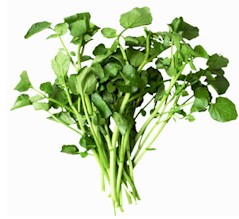
Watercress (Nasturtium officinalis) is a semi-aquatic perennial herb belonging to the family of Brassicaceae, which has been known since time immemorial for its flavoring, therapeutic and aphrodisiac properties.
Watercress usually grows along the banks of slow-running streams and rivers in Europe, Asia and America. It is characterized by its small, round leaves, with a pungent, peppery flavor. The small white flowers appear in flat clusters are called corymbs.
The fresh, tender leaves of watercress have to be harvested just before flowering, because after flowering they become bitter and are no longer good to eat.
Watercress has a variety of uses, either as a flavoring herb or as a medicinal herb. In addition, watercress juice can be added to other vegetable juices to give them flavor and health benefits.

Nutritional Benefits

Watercress is rich in fiber, anti-oxidants, vitamin C, beta-carotene, folate, potassium, calcium, phosphorous and iron, and is a good source of iodine as well. In fact, it has more calcium than milk and more iron than spinach.
Its main active principles are classified as thyoglycosides (glycosides containing sulfur)—an anti-thrombosis with a mild anti-coagulant effect. Watercress also contain moderate amounts of vitamins B1 and B2, zinc, copper and manganese.

Health Benefits

Watercress has plenty of health and therapeutic properties. However, due to its strong, pungent and bitter taste, it is never used alone, but is always added to juices, salads or other dishes as an ingredient, flavor or garnish.
Anti-anemic effect:  Watercress is particularly helpful in treating different types of anemia due to its high content in iron. Iron is essential for the synthesis of hemoglobin, and folic acid, which plays a key role in the maturation of red cells in the bone marrow. The right amount of vitamin C in watercress also makes better absorption of iron.
Anti-inflammatory properties:  Watercress is rich in vitamin C, which has an anti-inflammatory action and can help prevent or relieve the symptoms of cold, flu and other types of inflammation.
Anti-oxidant and anti-cancer effects:  Just as many other herbs, watercress is rich in anti-oxidants. Anti-oxidant substances help prevent or fight the damage caused by free radicals to body tissues, thereby contributing to prevent premature aging, as well as lower the risk of developing cancer and many other chronic or degenerative diseases.
Aphrodisiac effect:  Several historical sources show that watercress has been used for its aphrodisiac effect since the age of the ancient Romans and Persians. This could be due to its high zinc and iron content.
Blood glucose:  Although not definitely proven, it seems that watercress can help control blood sugar levels and prevent or treat high blood glucose. It is probable that the hypoglycemic effect of watercress is in part due to its high content in soluble fiber, that helps reduce the absorption of carbohydrates from the intestine. This effect is particularly helpful for individuals with diabetes.
Bone health:  The right proportion of calcium, magnesium, manganese, vitamins A, C and K in watercress helps promote and maintain healthy and strong bones.
Cough:  The sulphur glycosides found in watercress have been shown to modify bronchial secretions and exert an expectorant effect, which can be used to treat many forms of chronic bronchitis.
Digestive function:  Watercress does improve digestive function, due to its high content in vitamin C and fiber, which stimulate salivary and gastric secretions and the motility of the intestinal tract respectively.
DNA, preserve:  In a laboratory test, it was found that daily consumption of watercress increase the ability of cells to resist DNA damages to lymphocytes (white blood cells).
Eye health:  The high content in phytonutrients lutein and zeaxanthin are potent anti-oxidants; together with vitamin A and zinc all in this herb help greatly improve eye health.
Hair health:  Watercress can be used topically to treat dandruff and prevent hair loss, due to its sulfur, iron, zinc and vitamin A content. The best results are obtained by rubbing the scalp and the hair with a watercress tincture.
Hangover:  A hangover happens when the liver gets overloaded with toxic alcohol. Watercress juice is so concentrated with so much cleansing goodness that it activates the detoxifying enzymes in the liver for detoxifying a hangover.
Purifying effect:  Watercress has been used for centuries for its purifying effects. It enhances the diuresis and helps give the colon a good “spring-cleaning”, thereby effectively removing toxins from the body.
Skin health:  When used topically, watercress juice can be helpful in relieving skin eczema, as well as other skin conditions. Its high content of vitamin A and C best obtained by juicing are also beneficial for healthy skin.
Teeth:  Chewing watercress makes teeth stronger. It also cures bleeding of the gum or gingivitis.
Thyroid gland:  The high iodine content in watercress can help prevent goitre, improve the function of the thyroid gland and relieve the symptoms of many forms of hypothyroidism.

Consumption Tips

Watercress can be used as a basic ingredient for salads (using the leaves), sauces, or in soups. Watercress juice can be added to a variety of vegetable juices, to give them flavor and health benefits.
On its own, watercress juice is very strong and bitter. Like wheatgrass which is very potent, do not take more than two ounces of this concentrated green juice each time, mix it with other juices to make it more palatable and easy on the stomach. It blends very well with juices of carrot, potato, spinach and turnip leaves. Throw in some parsley too for their synergistic healing power. Squeeze in half a lemon to reduce its pungent taste.
The Chinese people like to boil watercress soup (with ingredients like dates, carrots, ginseng, gojiberries, black pepper, ginger, etc.). No doubt some nutrients are destroyed in the heat; phytonutrients cannot be destroyed but will leach into the soup. Discard the leaves.

Caution

People suffering from bladder inflammation may want to avoid or limit the consumption of watercress, due to its possible bladder pain-inducing effects.
People with hyperthyroidism may also want to limit watercress consumption due to its high content in iodine. If you are on medication, you might want to consult with your doctor before eating watercress or drinking its juice. Watercress is so wonderfully potent in all its goodness that it may react with the drugs you’re taking.

Health Benefits of Pumpkin

Pumpkins are not just good for making soup and pies.
It can be juiced uncooked and makes a highly nutritious
drink useful for prevention of many common conditions. 

Description
Pumpkin is a gourd-like squash that belongs to the Cucurbita family. The shape varies from oblong to oblate and its “skin” is usually thick in orange or yellowish color.  The inside flesh vary from pale to dark green, white to gray and orange-yellow to red.  At the core of pumpkin, are the seeds which are edible.
Generally, a pumpkin weighs around 4-8 kg (9-18 lbs).  However, with the Cucurbita maxima (the largest pumpkins species) its weight can reach up to 34 kg (75lbs).


Another very interesting fact is that pumpkins are monoecious plants, this means they have both sexes (male and female flowers) on one plant. The female flower can be easily identified with having a small “ovary” at the bottom of the petals.
In the United States of America, the pumpkin has been used over the centuries for both food and recreation.  Pumpkin pie is the popular traditional Thanksgiving meal.  Pumpkins are also carved out to be made into Halloween’s Jack O’ Lantern.

Nutritional Benefits
Pumpkins are so “cheerful looking” with their bright colors.  Its yellow-orangey skin and flesh is packed with the carotenoids.
Pumpkin is a good source of vitamins A, C, E and the B vitamins and dietary fiber.  Mineral wise, it’s rich with potassium, iron, calsium, magnesium, phosphorus, copper, manganese, sodium and zinc.

Health Benefits
This bright-colored, gourd-like squash is so rich with nutrients that makes it a very valuable vegetable from the health perspective.
Anti-inflammatory effect:   Pumpkin seeds have anti-inflammatory properties that are very useful against the arthritis and joint inflammation.
Asthma:  The anti-oxidants effectively protects the respiratory system from infections and free-radical attacks, reducing and healing asthma attacks.
Atherosclerosis:  The highly cleansing power of this orange-colored juice helps scrub away the old build-up of arterial deposits, reducing the risks of heart diseases and stroke.  The high anti-oxidants prevent arteriosclerosis (hardening of the arteries).
Bone health:  Pumpkin is rich also in calcium.  I would make a pumpkin juice with carrots and broccoli that makes it so healthful for bone development.
Cholesterol:  Pumpkin has high amounts of phytosterols that is similar to our human cholesterol.  It can replace and normalize the cholesterol to a healthy level.
Depression:  One of the cause of depression is the lack of trytophan in our diet.  Pumpkin is rich with L-tryptophan, an essential amino acid that our body cannot manufacture.  When this chemical compound is supplied, it activates the feeling of happiness and well-being, reducing the depressed mood.
Dietary fiber:  The bulk that pumpkin flesh provides is helpful dietary fiber that aids in gastrointestinal disorders for example indigestion, constipation etc. It also facilitates in lessening the blood LDL cholesterol level and regulates the blood sugar level.
Diuretics:  Pumpkin juice (juiced uncooked) act as an innate diuretic, which is very useful for getting rid of toxins and useless waste materials by flushing them out of the body.  It can be included as a detoxifying food.
Eyesight/vision:  Beta-carotene, lutein and zeaxanthin are some of the finest nourishment that help keep the optic system in tip-top condition, with special protection against astigmatism, macular degeneration and cataracts.
Immune system:  It does wonders for boosting the immune system by increasing the production and performance of white blood cells; building resistance to various kinds of infections.
Kidney stones, prevent:  Pumpkin seeds are also great for the kidneys. By taking about 5 – 10 grams of pumpkin seeds daily prevents stones formation in the kidneys.
Parasites:  In traditional Chinese medicine, pumpkin seeds are ground into powder form to be drunk with the juice for the treatment of parasites or tapeworm infection.
Peptic ulcers:   Pumpkin has all the right mix of medicinal properties that are calming to the gastrointestinal tract, healing to digestive conditions and peptic ulcers.  In this case, best to take in the nutrients in juice form.
Prostate cancer:  The high content of zinc and carotenoids in pumpkin and its seeds help protect against prostate cancer. These compounds prevents enlargement of the prostate and over-stimulation of the male hormones that cause prostate problems.
Skin:  The high quantity of anti-oxidants in the form of vitamins A, C and E, and zinc, provide the synergistic healing virtues that are great for the skin. These healthful properties are best obtained by drinking of its juice regularly.

Consumption Tips
Generally, pumpkins are available for purchase throughout the year. To select a pumpkin for cooking, choose a heavy one as it has smaller space in the middle which means more flesh.
Pumpkin is mostly used to make soups or pie.  Not many people know that it can be juiced and drunk in its raw form, let alone daring to try it.  But it has all its nutrients and enzymes undisturbed in its raw form.  Here’s a nice pumpkin juice recipe you can make using uncooked pumpkin.
Pumpkin has a pretty much long life if it is stored properly in the refrigerator.  Wrap it carefully with newspaper to retain the moisture.

Caution
Some people may be allergic to pumpkin seeds.  Try a little to see if there is any reaction to your body, especially if you’ve never eaten pumpkin seeds.