Friday, February 27, 2015

Slideshow: Anatomy of a Sore Throat


Common Sore Throat or Strep?

We all know that raw, scratchy feeling in the back of the throat. The cause may be as simple as dry winter air, seasonal allergies, or a developing cold. But sometimes the culprit is strep, a bacterial infection that can be dangerous if untreated. Only your health care provider can make a firm diagnosis, but there are signs that may provide clues that you have strep rather than a common sore throat.


Are There Unusual Spots?

Mom has the right idea when she asks her kids to say "Ahhh." Looking inside the throat can reveal important clues about what’s causing the pain. Strep often produces white patches in the throat and on the tonsils, as well as red, swollen tonsils. Pus may be seen in the back of the throat. Other conditions besides strep can cause these signs as well. 

Are There Cold Symptoms?

Coughing and postnasal drip can make your throat feel bad, but these symptoms are less likely to occur with strep. When congestion, runny nose, and other cold symptoms accompany a sore throat, a cold virus is usually to blame.

How High Is the Fever?

Colds sometimes cause a fever, but it's generally low grade. A sore throat with a fever over 101 degrees Fahrenheit raises the likelihood of strep. However, strep can be present even with little or no fever.

Are the Lymph Nodes Swollen?

Strep throat may cause the lymph nodes in the neck to become swollen and tender. The lymph nodes are responsible for trapping and destroying germs. When part of the body is infected, the nearest lymph nodes tend to swell as they carry out their job.

How Much Does It Hurt?

A sore throat caused by a cold can be plenty painful, but it usually goes away after a couple of days. Strep throat tends to be more severe and persistent -- the pain may be so bad, it's hard to swallow. In some cases, strep may cause nausea, a lack of appetite, or pain in the head and abdomen.

Is There a Rash?

A less common sign of strep infection is a rash that appears on the neck and chest, eventually spreading to the rest of the body. When this rough, sandpaper-like rash develops, the infection is known as scarlet fever. Although the full body rash may be alarming, it will start to fade after a few days. Antibiotic treatment can help protect against complications of strep infection.

Strep Is a Bacterial Infection

The reason it's so important to distinguish between strep and a common sore throat is that strep is caused by a bacterial infection -- Group A Streptococcus -- and a simple sore throat is usually caused by a virus. Antibiotic treatment may lessen symptoms and duration of illness only if a bacteria is the cause. It will also decrease the chance for complications caused by strep. Without antibiotics, a strep infection may lead to complications that affect the heart or other organs. Though rare, this can cause serious illness. 

Colds and Antibiotics: Just Say No

You can't get rid of a cold-caused sore throat with antibiotics. That's because colds are caused by viruses, and antibiotics only work against bacteria. Besides, taking antibiotics unnecessarily can contribute to the growing problem of microbial resistance. When bacteria are frequently exposed to antibiotics, they may become "superbugs" that can't be treated with standard medications.

Rapid Strep Test

To decide whether a sore throat is caused by strep or a cold, your health care provider may use a rapid strep test. The results are ready in five to 10 minutes, but the test doesn't pick up all cases of strep. If the results are negative, your doctor may send a throat culture to the lab. This takes a couple days to complete.

Antibiotics for Strep

If you're diagnosed with strep, your doctor may prescribe 5 to 10 days of antibiotics or give you an antibiotic shot. You'll probably feel better in a day or two, but it's vital to take the entire course of antibiotics anyway -- otherwise some of the bacteria may survive. Remember, strep can still be contagious until 24 to 48 hours of taking antibiotics, so wash your hands often, and don't share utensils. And be sure to throw away your toothbrush after you’ve had strep.


Home Care for Sore Throats

Whether you've got a sore throat from strep or a cold, there are steps you can take at home to relieve the ache. One trick for soothing a sore throat is a saltwater gargle. Try mixing a teaspoon of salt into a glass of water to make this easy remedy, which can help keep the throat moist and reduce that raw, scratchy feeling. Be sure to spit out the saltwater when finished.

Humidifier or Vaporizer

Breathing in steam from a humidifier or vaporizer can keep a sore throat moist and cut down on pain. You can get the same result by leaning over a sink with hot running water. Drape a towel over your head to trap the steam and breathe deeply. Try this for five to 10 minutes several times a day.

Warm Compress

Try placing a warm heating pad against the outside of your throat. Or make your own warm compress by wetting a towel with hot water. This may be especially soothing if you have tender lymph nodes in the neck.

Soothing Foods

If you need an excuse to eat ice cream, a sore throat is a good one. The cold has a numbing effect, and the creamy texture makes it easy to swallow. This comfort food is also great for cheering up young (and not-so-young) patients. Other soothing foods include milk shakes, gelatin, and hot soup. With severe sore throats, it’s best to avoid crunchy or spicy foods.

Hydration

Since fever and painful swallowing can lead to dehydration, it's important to increase your intake of fluids. Water and ginger ale are good choices. Avoid citrus drinks which can irritate an inflamed throat.

Pain Relievers

Over-the-counter pain relievers, like acetaminophen, ibuprofen, or naproxen, can temporarily dull the pain of a sore throat. Do not give aspirin to children and teenagers because of the risk of the rare but potentially fatal Reye's syndrome.

Sore Throat Sprays and Lozenges

You can also soothe a painful sore throat with a numbing spray or lozenge. Sucking on ice chips can also bring some relief. You can even carry a travel-size throat spray for relief on-the-go.

Decongestants

If you have a cold and a stuffy nose is draining into your throat and causing irritation, a decongestant may give you some relief. People with certain medical conditions and people taking certain medications may need to avoid the use of decongestants.

Persistent Sore Throat

If a sore throat lasts over a week or gets worse, check with your doctor again, even if an initial strep test came back negative. It's possible for a throat swab to miss bacteria, and you may need to be retested. A persistent sore throat could also be a sign of acid reflux, mononucleosis, or another condition. In rare cases, a sexually transmitted disease may be to blame.

Demystifying the H1N1 virus


Panic seems to have gripped the country as the number of cases of H1N1, or swine flu, are on the rise. But, what exactly is theH1N1 virus?

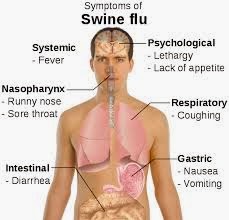
Dr Sherebanu Milky, a homeopath, explains, "Before 2009, it was said that people who were in close contact with pigs contracted the virus, but that's not the case anymore. It is now a rapidly-spreading air-borne disease that has been termed a pandemic. It's symptoms are like the common cold, such as sore throat, body ache, fever, fatigue, malaise, cough and runny nose. If not treated on time, this can lead to respiratory problems."

Dr Milky adds, "H1N1 can be treated with an anti-viral, but not antibiotics. To prevent swine flu, one should maintain personal hygiene and ensure that his/her surroundings are clean. Those most prone to the disease are kids aged around five and six, adults who are 65 years and above, people suffering from diseases like cancer, and pregnant women. One needs to have good immunity to keep this disease at bay."


Dr Oliver Rodrigues, a specialist in family medicine, says, "Everybody is panicking because it's being reported more often now in newspapers. Swine flu spreads the same way as any other cold and cough. If anyone in the family is diagnosed with H1N1, then others also need to be tested for it. If you have a cough, get it checked by a doctor, and if you don't feel better even after taking the prescribed medicines, then the doctor will ask for an H1N1 test."

SYMPTOMS
-Cough
-Fever
-Sore throat
-Stuffy or runny nose
-Body ache
-Headache
-Chills
-Fatigue

TREATMENT
-The H1N1 virus can be treated with anti-virals
-The infected person should be kept in isolation

PRECAUTIONS
-Contain your cough and always cover your mouth when coughing or sneezing
-Sanitize your hands and wash them regularly
-Use disposable tissues instead of handkerchiefs
-Disinfect your house regularly
-Try and avoid using public toilets as far as possible
-If required, wear a mask when you travel out of the house as H1N1 is an air-borne disease
-Flu shots are recommended for kids and the elderly
-Incorporate tulsi in your regular diet in different forms to boost immunity

MYTHS ABOUT SWINE FLU
-Swine flu is transmitted through pork products
-There is no cure for swine flu
-A person can get H1N1 only once in their life
-Antibiotics can fight the flu
-The virus is dangerous only in the elderly

Thursday, February 26, 2015

Nutritional Value And Health Benefits Of Coriander Seeds


Health Benefits Of Coriander Seeds

What Are Coriander Seeds ?


The seeds are ready for harvest-time as the plants turn brown, leaves begin to dry and fall. Unripe seeds are light green and taste bitter. To harvest, the crop is cut, tied in small bundles, and dried in the sunlight for a couple of days. To separate the seeds, either the bundles hammered with stick or a lightweight roller used to wear off the pods.
Coriander is an ayurvedic medicinal herbaceous plant, that is vastly used as a flavoring substitute for its unique smell and taste. It is used as an necessary ingredient in the curries and other choice foods. It is commonly known as Kotgmir or Dhania.The name coriander in fact originated from the Greek word Koris meaning bedbug. This plant is considered to be endogenously from Greece, but it has become popularly used spice in nearly all of the Asian countries. The scientific name for Coriander is Coriandrum Sativum L.Coriander is native to Southeastern Europe and cultivated extensively all over India, China, Europe, Middle East,  and Turkey. It is identified as cilantro in the west. This herbaceous plant grows up to 2 feet in height with branching stems, appearing deep green delicate, bald, bi or tri-lobed leaves. The mature plant produces small light pink color flowers that later on turn into spherical or oval-shaped fruits (which are seeds). The seeds are oval, measure about 4-6 mm in diameter with interior hollow space containing two vertical vittae containing some significant essential oils.

Benefits Of Eating Coriander Seeds

Today, coriander is seeds and leaves are being used worldwide for culinary and medicinal purposes.Below  here are some of the benefit which are very useful for health.

1.Coriander Seeds for Menstruation

Coriander seeds are also helpful in the treatment of excessive menstruation. Take six grams of Coriander seeds boiled in half a litre of water, take this decoction off the fire when only half the water is left. Add  little sugar to it and should be taken when it is little warm. This is one of the popular home remedies for menstruation. Being stimulated in nature and serving proper emission from the endocrine glands, it also helps proper secretion of the hormones and thereby encouraging proper menstrual cycles and reducing pains, etc. during periods.

2.Coriander Seeds for  Weight Loss

Coriander has a natural diuretic drug property, which can benefit in weight loss. Coriander is a dried seed with sweet-smelling qualities that quicken digestion. Coriander is also used for healing of dermatitis rashes and hives. Coriander is as well useful to purify the blood and to reduce gas.

3.Coriander Seeds for  Swelling

Coriander seeds have Cineole, that is one of the 11 ingredients of the essential oils, and linoleic acid, existing in coriander, acquire anti rheumatoid and anti arthritic properties, that are very helpful for swelling caused due to these two reasons. For other people, such as swelling due to nonfunctional of kidney or anemia, it is viewed to be advantageous to some degree, as some of the ingredients help elimination of extra water from the body.

4.Coriander Seeds for High Cholesterol

Some of the acids present in coriander seeds like linoleic acid, oleic acid, palmitic acid;Stearic acid and ascorbic acid (like vitamin-C) are very productive in lowering the cholesterol level in the blood. They also reduce the cholesterol buildup along the internal walls of the blood vessels and veins.

5.Coriander Seeds for Diarrhea

Some of the basics of essential oils in coriander such as Borneol and Linalool are helpful in digestion, for proper functioning of liver, bonding of bowels and are also very helping to cure diarrhea. It is as well beneficial in diarrhea caused by microbial and fungal action. As basics like Cine-ole, Borneol, Limonene, Alpha-pinene & beta-phenylalanine have anti-bacterial effects. In addition, the fresh coriander leaves are superior appetizers.

6.Coriander Seeds for Mouth Ulcers

Citronella basics of essential oils in coriander, is an outstanding antiseptic. In addition, unlike components have anti microbial and healing effects, that do not let wounds and ulcers inside the mouth go worse. They aid curative up of ulcers and freshen up the breath.

7.Coriander Seeds for Digestion

Due to its rich aroma of coriander and its essential oils, it is apart from being an exceptional appetizer. Aids in proper release of enzymes and digestive fluids of the stomach also stimulates digestion and peristaltic motion. It is useful in treating troubles like anorexia.

8.Coriander Seeds for Small Pox

The essential oils in coriander are rich in anti microbial, anti oxidant, anti infectious and detoxicating basics and acids. The properties of  iron and vitamin-C  also strengthen the immune system. These properties aid to prevent and cure small pox. They also reduce the pain and have a relaxing effect on pox patients.

9.Coriander Seeds for Eyes

Coriander has lots of anti oxidants like vitamin-A, vitamin-C and various minerals like phosphorus as the essential oils in it, that prevents aging of eye, macular deterioration and comforts eyes against stress.coriander is a very good sterilizer and has anti-microbial properties, that protect the eyes from infectious diseases like conjunctivitis.

Medicinal Properties Of Coriander Seeds

Coriander seeds contain many plant derived chemical compounds that are known to have anti-oxidant, disease preventing, and health promoting properties.

1.Rich in Anti-Flatulent Properties:

The typical aromatic flavor of coriander seeds approaches from the various fatty acids and essential volatile oils. Various important fatty acids in the dried seeds include petroselinum acid, linoleic acid (known as omega-6), oleic acid, and palmitic acid. In addition, the seeds include essential oils such as linalool (68%), a-pinene (10%), geraniol, camphene, terpine etc. Together these active principles are liable for digestive, flatus-relieving, and anti-flatulent properties of the seeds.

2.Rich in Fiber Diet :

As like other spices, coriander is also rich in of dietetical fiber. 100 g seeds provide 41.9 g of fiber. A lot of this fiber is metabolically inert insoluble fiber, that helps to raise a bulk of the food by absorbing water throughout the digestive system and aid easing constipation situation.

3.Rich in Nutrients & Antioxidants :

Coriander seeds in addition possess dietary fibers bind to bile salts (produced from cholesterol) and subordinate their re-absorption in colon, in this way help to subordinate serum LDL cholesterol levels. In conjunction with flavonoid anti-oxidants, fiber composition of coriander aids to protect the colon mucus membrane from cancers. Unlike different dry spice seeds that are lacked in vitamin C, coriander seeds contain a large quantity of this anti-oxidant vitamin. 100 g of dried seeds give 21 mg or 35% of RDI of this vitamin.

4.Rich in Minerals Food:

The Coriander seeds are an excellent source of minerals like magnesium, iron,calcium, copper, calcium,zinc and potassium. Copper is essential in the production of red blood cells. Iron is necessary for cell metabolism and red blood cell creation. Zinc is a co-factor in various enzymes that control growth and development of sperm generation, digestion and nucleic acid synthesis. Potassium is a foremost element of cell and body fluids that aids in controlling heart rate and blood pressure. Manganese is used by the body as a co-factor for the powerful anti-oxidant enzyme and superoxide dismutase.

How To Improve Digestion Power Naturally : Ayurvedic Herbs For Digestion


Ayurvedic Herbs For Digestion : How To Improve Digestion Power Naturally


According to Ayurveda, healthy digestion plays an essential part in organizing good health and well-being. When the digestive process fails to perform optimally, the body turns out to be clogged, blocking circulation and inhibitory activity of toxins out of the body. Hence it is essential that persons work to establish good digestion.
Ayurveda is an antediluvian framework of therapeutic from India that focuses on the balance the five elements, being air, fire, water, ether and earth. According to ayurvedic, the body is constructed of these elements. Ailment takes place when the balance is out,so medication must be executed to help to restore this equilibrium. The five elements, when combined in different compounds make up the three “doshas” or “biological modes” that involve the nature of creatures and of all things.
The elements can change into out of balance on account of any one of these factors; poor diet, unhealthy lifestyle, disease, mental problems, stress, and other destabilizing forces. Hence, ayurvedic therapy targets on bringing about balance by the diet, use of herbs, exercise, and good lifestyle choices. In spite of the fact that Ayurvedic remedies have been used thousands of years ago, this form of therapeutics is still aliveness and practiced by millions of people all over the world. The idea of stabilizing one’s elements using diet, lifestyle, and ayurvedic therapies is appetizing and can apply to anyone not simply for Indian.

Ayurvedic Herbs For Digestion

There are various recipes, lifestyle adaptations and herbs advised to correct a variety of disturbances. The following ayurvedic treatments offer a simple way to fight digestive ailments.
1. Ginger (Zinziber officinalis): A traditional treatment for arthritis, dyspepsia, flatulence, colic, painful stomach conditions and nausea; ginger is an excellent digestive, anti-inflammatory and blood thinner. It holds proteolytic enzyme;enzymes are known to have anti-inflammatory properties. Ginger in addition has anti-oxidant and anti-platelet mass activities, and it growth’s circulation. Chewing ginger ahead meals help to digest the food. According to Ayurvedic ethics, indigestion is the first beginning of inflammatory diseases. It recommended dose of ginger is 2-10 grams with meals, but those people are on blood-thinning medication must not take more than 2 grams per day.
2. Amla (Emblica officinalis):Amla fruit, familiar as the Indian gooseberry, is one of the richest sources of bioflavonoids and Vitamin C. This plum-sized fruit is respected for its anti-aging and immune-enhancing properties. Study has shown that the potency of 8. 7mg of natural Vitamin C complex from Amla is equal to 100mg of synthetic Vitamin C. In addition to its antioxidant properties; Amla, moreover, has been antifungal, anti hepatotoxic, anti-inflammatory and rejuvenate properties.
3. Haritaki (Terminalia Chebula): Haritaki is a rich source of  succinic acid, fructose, tannins, amino acids, acids, and beta sitosterol. Studies have shown that it has anti-viral properties that can fight against cytomegalovirus and its anti-bacterial properties against Salmonella, E-coli and Cholera. Ayurvedic literary texts specify that Haritaki’s is a good digestive aid and have properties to eliminative toxic accumulation. In the Haritaki fruit One-third of third of consist of astringent substances such as tannic acid, chebulic acid, gallic acid and chebulinic acid, all these qualities are considered powerful anti-oxidants. Haritaki also holds the anthraquinone, purgatives and sennoside in small quantities.
4. Pipply ( Piper longum): Charak, the principal of Ayurveda, has defined this plant as an appetite stimulator, anticolic, antitussive, and aids in building hostility to disease. Its alkaloids, piperine, piper longuminine and dihydrostigmasterol, have been shown to boost the absorption of drugs manifold. Various analyses have also shown that whole fruit has anti-allergenic properties. The Piper longum’s irritant action increases gastric juice secretions
5. Bahera (Terminalia belerica): Bahera has a rich source of tannins, that have  shown surprising results in treating symptoms of chronic sinusitis and asthama. Institutional experiments have also indicated it’s anti-histaminic, antitussive, anti-bacterial and anti-fungal properties. The latest study conducted in Kerala, India has displayed an anti-HIV and anti-malarial effect.

Ayurvedic Lifestyle Tips For Good Digestion

Ayurveda suggests us to eat slowly, in a relaxing setting, alone or with persons with whom we experience relaxed. It is also significant not to eat while you are upset. While eating you must not be watching television or talking while you chew food.  Do not drink cold water while eating; this weakens your digestive fluids, rather sip warmed water or a stimulating tea such as long pepper tea or ginger tea.
It is very essential that you eat only when you are hungry, giving over enough time between meals that is about 4-6 hours. Consuming at dissimilar times each day creates irregular enzyme releases thus may slow down digestion. The biggest meal of the day must be lunch, when digestion is strongest.
Perfect food proportion will differ from person to person relying on body type, weight, height and digestive power. Vata persons and those with Vata disorders must eat small, frequent, and easily digestible meals in order to sustain their blood sugar well-balanced. Warm foods are also essential for the Vata people. Pita characters and those with Pita disarrays have large hungers and besides need to eat repeated and easily digested meals, but their food must be cooler in nature. Kapha character’s people have to eat only a couple of meals a day as they have a tendency to gain weight.
Before you eat, meditate on the food as it is very essential to establish a relationship with food this meditation will allow you to digest various qualities of the food. The aroma and color, will also support to animate the digestive process
Seat quietly after each meal, for 3-5 minutes and later take a short walk, this will help in stabilizing the mental, emotional and physical characteristics of the digestive system.

The Benefits of Camphor (Kapur/Kapoor)


The benefits of Camphor (Kapur/Kapoor)

Camphor or so called as Kapur/Kapoor is a white waxy solid with a firm crystal clear strong perfumed spice. It is an isoprenoids through the chemical formula C10H16O. It is found in the wood of the laurel camphor or so called (Cinnamomum camphora). A huge evergreen plant found in Asian region and particularly in Borneo, but can also be manufactured synthetically from gum turpentine. It is for its aroma, used as an embalming fluid and for therapeutic resolutions. It has soothing properties.
Bid Kapoor has a unique position in the Hindu tradition of pooja,other festive function and traditional law.The burning camphor has a special quality and, naturally, has a special meaning. It is pure white in color, and when burned acquires the huge fire (Agni)and burn completely,without leaving any residue. Lighting camphor before God is a sign that if we burn our illusion or ego with the fire of true knowledge, which will merge with God, leaving no residue.
People also use liquid or tablet as a mosquito repellents to fight against Malaria and dengue fever.camphor are found under various names. Despite its use, it is common to mosquitoes hovering around with the best repellent action. Many people of the earth with allergies because of them.
camphor is used daily in Hindu family to light diyas by burning camphor as part of daily prayer. They have all contributed to purify the air and prevent harmful bacteria, viruses, and mosquitoes away.

Therapeutic Uses of Camphor

1. It comforts nasal blockage and cough, when applied on the chest as an oil.
2. Camphor is used as a component in throat drops and cough syrup and chock let like Vicks.
3. Camphor is additionally used in various anti-itch ointments, gels of cooling and creams, as it can be preoccupied through the skin. It is capable in treating pain locally.
4. It has an anaesthetic effect which makes it a best-loved oil. It is also used in blends of massage to release pain from arthritis and muscle aches.
5. Camphor is known to improve air quality, It is better for our lungs and heart. Many people are not knowledgeable about the power of camphor as a mosquito repellant, but it is very effectively with no side effects and low cost too.

Uses of  Camphor as Mosquito Repellent

Using Camphor as a natural mosquito repellent is very simple. No need to burn camphor. There are two simple ways to execute it.
1. Place 2 tablets of camphor which is available in the market at any warming or at mosquito repellent, which is easily available in the market. Connect to an hour and see the results.
2. Place 2 tablets of camphor in different corners, dark place of the room, where mosquitoes seem to love to stay. Keep there and let it be evaporate naturally. Keeping camphor will not only keep the air pure but also keep free of mosquitoes.
You will be amazed at the results! Making the experience and help spread these healthy habits!

Medical Use of Camphor

Camphor has extraordinary medical properties. It safeguards against many illnesses in the warm atmosphere that prevails in most parts of India. According to homeopathy, camphor and other aromatic substances purify the atmosphere. When the devotees place their palms on Aarti and put the palms of his nose and eyes, they absorb the medicinal benefits.
Aarti Kapoor, remains for a very short time. thus it signifies human as the short span of human life, physical and sensual pleasures that come from attachments caused by Avidya or so called Agynana. Therefore, Aarti motivates devotees to discover God, which is permanent.As Aarti is short-lived, which  compels the devotee  to focus their attention on God.

स्वाइन फ्लू से बचाव के उपाय… ध्यान रखने योग्य बातें : हेल्थ टिप्स

स्वाइन फ्लू से बचने के लिये इन बातों का ध्यान रखें :-
  1. बच्चे को यदि सर्दी-जुकाम, खाँसी है तो उसे स्कूल न भेजें।
  2. किसी से हाथ नहीं मिलाएँ। गले नहीं मिलें।
  3. सार्वजनिक स्थानों, भी़ड़ भरे स्थानों पर थूकें नहीं।
  4. खाँसी, छींक आने पर मुँह व नाक को रूमाल, टिशू पेपर से ढँक लें।
  5. एक बार इस्तेमाल के बाद टिशू पेपर कू़ड़ेदान में फेंक दें।
  6. रूमाल को साबुन से धो लें।
  7. छींकने, खाँसने और कहीं बाहर से आने के बाद हाथ साबुन से धोएँ।
  8. अपनी आँख, नाक, मुँह को हाथ न लगाएँ। इससे वायरस फैलते हैं।
  9. जिन लोगों को श्वसन तंत्र की बीमारी हो उनके पास न जाएँ।
  10. सर्दी के मरीज साफ-सुथरा रुमाल रखें और रोज बदलें।
  11. घर में व आसपास स्वच्छता रखें।
  12. खान-पान का ख्याल रखें, तला-गला कम खाएँ।
  13. प्रदूषित, भीड़ भरे और गंदे क्षेत्रों में न जाएँ
  14. स्मोकिंग करने वालों से दूर रहें।
  15. मरीज को भी मास्क लगाएँ और खुद भी उपयोग करें।
एन-95 मास्क का उपयोग करें। यह उपलब्ध नहीं होने पर थ्री लेयर्ड उपयोग करें।
इसे गीला कर उपयोग करने पर संक्रमण की आशंका न के बराबर हो जाती है।

Tuesday, February 24, 2015

SWINE FLU PRECAUTIONS

Stay Home
If you are sick or have any flu-like symptoms, stay home. Do not go to school or work. Swine flu symptoms may mimic those of regular flu and cold symptoms.


Contain Your Cough
Cough or sneeze into the crook (inside elbow) of your arm. This way you do not transfer the germs to your hands and then to every object you touch. Swine flu is very contagious, and can spread easily by touching an infected object and then touching your face. A flu mask will help you avoid infection in enclosed spaces. 

Wash Hands Frequently
Wash hands constantly to avoid swine flu. Anything you touch may be affected, so keeping hands clean will help you avoid infection. 

Hand Sanitizer
Carry hand sanitizer with you. If you have things others have touched, use your hand sanitizer to avoid swine flu infection. In addition, avoid shaking hands or other hand to hand contact whenever possible. Also avoid kissing on the cheek or other face to face contact as a greeting method. 

Public Facilities
Touch public handles and pens as little as possible. These are loaded with germs that may carry the swine flu virus. 

Air Travel
When you fly, be most diligent about following these guidelines. Transferring any flu, including swine flu, is most likely in close quarters like an airplane. 

Clean Your Produce
The life span of a virus is different for each and can vary from as much as 48 hours to 100 years depending on the hardiness of the virus. Although there have been no known cases of swine flu transmission through fruit and vegetable consumption, there does seem to be some concern about the possibility. The best bet is to buy locally grown fruits and vegetables if possible. Make sure you wash your fruits and vegetables with water, and soak for greater effectiveness. Washes and using chlorinated rinses have not been proven to work. So far there have been no cases of swine flu transmission through fruits and vegetable sources. 

Avoid Crowds
Stay out of crowds as much as possible. Close proximity to other people will heighten your chances of to get swine flu. Wear a surgical mask in areas of high traffic concentration. Try to stay at least 3-6 feet away from people. 

Eating and Drinking
Do not eat or drink after others without complete sanitization of containers or utensils. Swine flu can be transmitted by contact with infected eating utensils. 

Vaccinations
Vaccinations are not effective against the H1N1 virus. If you contract the virus get to the doctor within 36 hours and ask for Tamiflu or Relenza. These antiviral medicines will halt the progression of H1N1 or Swine flu virus. 

Visit Your Doctor
Get to a doctor immediately if you develop symptoms of swine flu including high fever and body aches. Swine flu can be deadly, and it is imperative to get to a physician immediately if you think you have swine flu symptoms and think you might have contracted the swine flu virus. Both Tamiflu and Relenza are antiviral medicines that are currently effective against some strains of Swine Flu. These medicines should be taken within 36 hours of flu infection for maximum effectiveness.