Saturday, September 19, 2015

33 Amazing Benefits Of Tulsi/Basil For Skin, Hair And Health

The holy Tulsi, also known as the “queen of herbs” is the most sacred of all the herbs found in India!  This sacred plant is found in almost every Indian household. Tulsi has been used in India for around 5000 years and is acclaimed for its healing properties of the mind, body and spirit. Tulsi has been widely popular in South Asian countries for many centuries and now is also gaining popularity in the West.
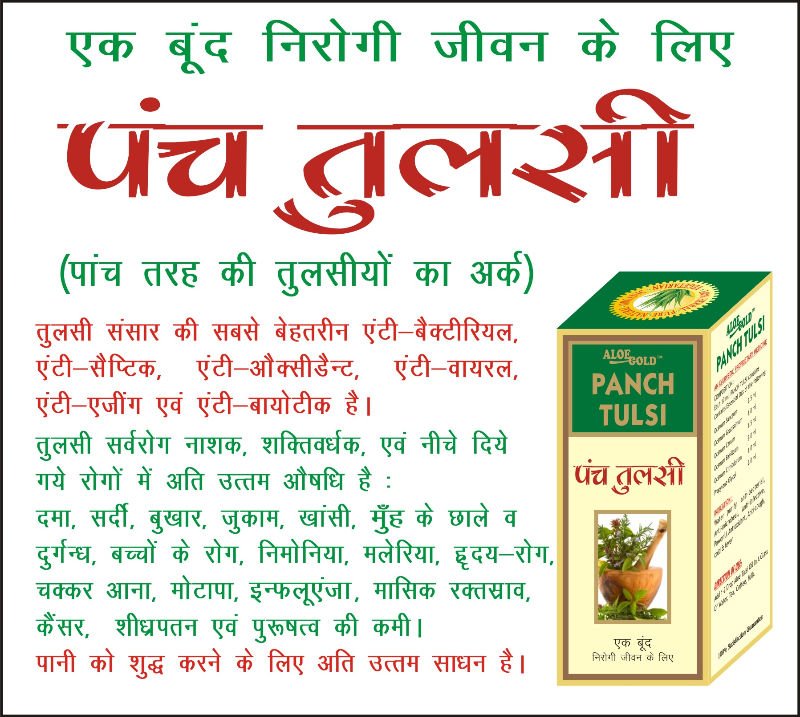
Tulsi has played a significant role in the history of mankind due to the multitude of benefits that it possesses and uses it offers. The extract obtained from the plants is used to cure various diseases such as common cold, inflammation, malaria, heart diseases and many more. Tulsi contains hundreds of beneficial compounds and possess strong antioxidant, anti-bacterial, anti-viral, adaptogenic and immune enhancing properties. Tulsi also aids in the purification of atmosphere. It has been used for centuries as an important component of Ayurveda for its diverse healing properties. Tulsi is considered to be an adaptogenic, balancing different processes in the body and enabling the body to adapt to stress. Marked by its strong aroma and astringent taste, it is regarded in Ayurveda as an “elixir of life” and is well known to promote longevity. It is because of these numerous benefits that “tulsi medicinal plant” is worshiped as a goddess in India!

Nutritional Value of Tulsi/Basil:

Have a glimpse at the nutrient facts of tulsi before progressing to its benefits:
Principle
Nutrient Value
Percentage of RDA
Energy23 Kcal1%
Carbohydrates2.65 g2%
Protein3.15 g6%
Total Fat0.64 g2%
Cholesterol0 mg0%
Dietary Fiber1.60 g4%
Vitamins
Folates68 µg17%
Niacin0.902 mg6%
Pantothenic acid0.209 mg4%
Pyridoxine0.155 mg12%
Riboflavin0.076 mg6%
Thiamin0.034 mg2.5%
Vitamin A5275 IU175%
Vitamin C18 mg30%
Vitamin E0.80 mg5%
Vitamin K414.8 µg345%
Electrolytes
Sodium4 mg0%
Potassium295 mg6%
Minerals
Calcium177 mg18%
Copper385 mg43%
Iron3.17 mg40%
Magnesium64 mg16%
Manganese1.15 mg57%
Zinc0.81 mg7%
Phyto-nutrients
Carotene-ß3142 µg
Crypto-xanthin-ß46 µg
Lutein-zeaxanthin5650 µg

A. Health Benefits of Tulsi:

Not only from a religious point of view, but from a medicinal perspective too, Tulsi has endless value. In Ayurveda, it is considered as the destroyer of all the doshas. The tulsi benefits are many and people also chew raw leaves regularly to reap these benefits. Tulsi leaves also re-energize and rejuvenate the body of a person. It keeps one fresh mentally and stimulates the thought process. The holy basil is a homemade remedy for a lot of common ailments.
Listed below are some of the uses of plant.

1. Fever and Common Cold:

The tulsi medicinal uses begins with the ability of the leaves to cure many kinds of fever.
  • Tender Tulsi leaves boiled in water act as a preventive against malaria and dengue fever.
  • In case of acute fever, a decoction of the leaves boiled with cardamom powder in half a litre of water mixed with sugar and milk brings down the temperature.
Tulsi is also a good germicidal agent and a disinfectant that protects the human body from all types of viral infections.

2. Cough and Respiratory Problems:

Chewing Tulsi leaves also cures cough and flu. It helps to mobilize mucous in bronchitis and asthma attacks. A decoction of leaves with honey and ginger is an effective remedy against bronchitis, asthma, influenza and cold. A decoction of leaves, cloves and common salt also relieves influenza.
Water boiled with basil leaves can be taken as a drink in case of sore throat. You can also gargle with this water to soothe sore throat. Tulsi is an important ingredient in the preparation of cough syrups and expectorant.

3. Kidney Stones:

One of the tulsi plant uses is that its leaves have a strengthening effect on the kidneys. In case of renal stones, the consumption of juice of basil leaves mixed with honey helps remove these stones through the urinary tract. Tulsi being a detoxifying agent can help to reduce uric acid level which is the main reason behind kidney stones.

4. Heart Disorder:

Basil is very beneficial in combating cardiac disease and the weakness resulting from it. It reduces blood cholesterol levels. Tulsi also contains Vitamin C and other anti-oxidants such as Eugenol which protects the heart from harmful effects of free radicals. Tulsi can also reduce blood pressure and thus is useful for heart patients.

5. Children’s Ailments:

  • Common paediatric problems like cough, cold diarrhea and vomiting respond favourably to tulsi juice.
  • Basil leaves taken with honey keeps chicken pox at bay.
  • If a baby is given tulsi juice regularly before teething, it helps grow teeth easily without any of the usual teething troubles. Massaging the gums with a mixture of tulsi leaves and honey will also help.
  • Giving children a mixture of tulsi juice and honey helps bring relief to cough and sore throat too.
  • Warm tulsi juice gets rid of the worms in the stomach.

6. Teeth Disorder:

The leaves are also useful in treating teeth disorders. Tulsi leaves dried and powdered can be used for brushing teeth. It can also be mixed with mustard oil and can be used as a tooth paste. It maintains the health of the gums and helps to counteract bad breath, pyorrhoea and other dental problems. This tooth paste can also be rubbed on the gums to hinder gum inflammation.
Tulsi is also used as a mouth wash to relieve tooth ache. Tulsi is an excellent mouth freshener and oral disinfectant and destroys 99% of germs and bacteria found in the mouth. These leaves are quite effective for several mouth infections like ulcer.

7. Headache:

Basil leaves are a good medicine for headache. Pounded leaves mixed with sandalwood paste can be applied on the forehead for relief from headache.

8. Eye Disorder:

Basil juice is an effective remedy for sore eyes and night blindness, which is generally caused by lack of Vitamin A. Two drops of basil juice can work wonders for the eyes. It soothes eyes and reduces stress. Also it can protect from conjunctivitis, boils and other problems of the eyes which are caused mainly due to bacterial and fungal infections by washing eyes with water soaked in tulsi leaves.

9. Stomach Problems:

Several stomach problems like acidity, constipation and flatulence can also be cured with tulsi leaves. Tulsi supports digestive system and makes you feel less bloated and more comfortable. It also helps people suffering from vomiting and lack of appetite.

10. Diabetes:

Tulsi is one of the many herbs that help to control blood sugar level in a person. It reduces the blood sugar levels by causing a sudden or drastic drop.
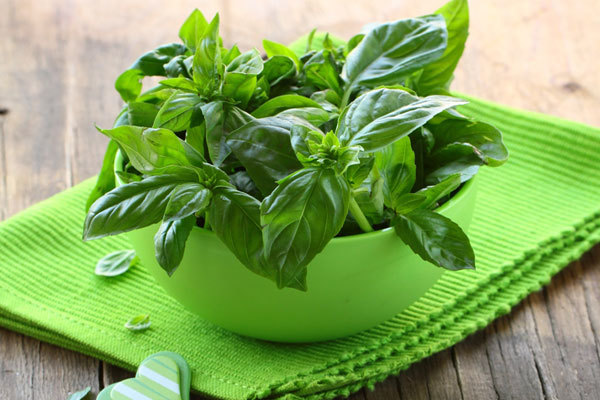
basil leaves

11. Pain Relief:

Tulsi plant acts like a COX-2 inhibitor and benefits people with painful medical condition. Some compounds found in tulsi helps to ease inflammatory and neurological pain and has no side effects whatsoever. Tulsi is also used in the treatment of ulcers, cuts and wounds because of its beneficial antiseptic and healing properties.

12. Anti-cancer:

Tulsi is anti-carcinogenic in nature and helps to treat some forms of cancer including breast cancer. Tulsi restricts the blood vessels that feed tumours. It also helps to inhibit the growth of oral cancer that is caused due to tobacco. But tulsi should not be used as a sole treatment of cancer however.

13. Stress Reliever:

The anti-oxidants present in Tulsi help in balancing different processes of the body. Drinking Tulsi extract daily smoothes the nervous system and helps to relieve stress.

14. Lung Disorder:

Several compounds present in tulsi like Vitamin C, camphene, Eugenol can cure lung congestion. They have proven to be effective in healing damage caused by smoking, tuberculosis etc.

15. Insect Bite:

This herb also prevents insect stings and bites. A teaspoon of fresh juice should be applied on the affected areas and repeated after a few hours. A paste of fresh roots is also effective in case of bites of insects and leeches.
Apply a paste of Tulsi leaves and roots ground together on the sting of the scorpion. It will completely eliminate the effects of poison. Also in such cases, crushing a few leaves of Tulsi and mixing it with lemon helps too. Apply it on the area of the sting and it will cure the problem. The pain caused by the sting can be reduced by drinking Tulsi juice and also by applying it on the sting.

16. Helps to Quit Smoking:

Tulsi can also help you immensely if you are trying to quit smoking. It is more helpful than nicotine gums and candies which claim to keep you distracted from your need of smoking. Keep some fresh tulsi leaves in your pocket and munch whenever you feel the urge to smoke.  The tulsi juice will cool your throat just as the mint drops do and chewing will distract you. The anti-oxidant will actually help you to undo the damage done by years of smoking.

B. Skin Care Benefits of Tulsi:


Time and again, this wonder herb has proved itself to be one of the most essential ingredients used in herbal skin care products. The beauty benefits of tulsi plants are plenty. It helps in maintaining a healthy skin and shiny hair. Tulsi extracts make the most organic solution for your skin and hair problems. Tulsi is endowed with antiseptic and purifying qualities which help to prevent skin diseases. Some of them have been listed below.

17. Treats Skin Issues:

Tulsi works very well on eczema, acne and pimples and many cosmetic companies use Tulsi as an ingredient in skin ointments due to its anti-bacterial properties. People suffering from scabies and eczema should drink Tulsi juice to help cure it.

18. Eliminates Pimples and Acne:

Tulsi works great on the skin, whether you eat raw leaves or apply a paste to the face. When eaten raw, it purifies the blood from toxins and prevents appearance of acne and pimples. You can also make a toner by boiling Tulsi leaves in water. Let it cool for 15 minutes and then apply on the acne affected areas. This remedy will not only help eliminate pimples but will also impart an instant glow to the skin and will smooth the skin out completely.

19. Lightens Scars and Marks:

Besan and tulsi paste face pack is a popular pack to get rid of scar marks and get a clean and even skin tone. Skin whitening effects of besan lightens the appearance of scars and black marks and Tulsi kills the bacteria that lead to acne.

20. Adds Glow to the Face:

Rubbing finely powdered dry tulsi on the face like a loose powder adds glow to the face glow and removes dark spots from the face.

21. Prevents Inflammation:

Tulsi leaves contain anti-bacterial and anti-fungal compounds. A paste made of Tulsi leaves along with sandalwood paste and rose water can be applied on the face as it helps to prevent inflammation.

22. Adds Young and Fresh Look:

The antioxidants present in Tulsi makes you look younger and fresher. Tulsi is very healthy for the skin. It works well as a skin and hair moisturizer too.

23. Tightens Skin Pores:

Skin with blemishes can also benefit from Tulsi leaves. Make a face pack using one egg white and Tulsi leaves paste. Then rub the mixture gently on the face particularly on the infected areas of the skin. Wash off the face pack after 20 minutes scrubbing it gently. The egg white used will tighten the pores while the tulsi paste will disinfect the skin and prevent infections which cause pimples and acne.

24. Cures Ringworm:

Using tulsi paste and lemon helps to cure ring worms.

25. Cures Skin Diseases:

Continued ingestion of powdered tulsi roots and leaves is believed to cure all skin diseases.

26. Promotes Quick Healing:

Another good remedy for treating all types of skin diseases is boiling tulsi in mustard oil till the oil turns black. Let it cool, then strain the oil and apply all over the body during winters. This promotes quick healing. Application of tulsi juice on the boils is beneficial and gives relief too.

27. Relieves Skin Irritation:

Apply tulsi paste for relief from skin irritations caused due to plucking of the hair.

28. Heals Wounds, Cuts and Burns:

Dry tulsi leaves in a shade, add alum, grind and sieve well and store the powder in a clean glass bottle. Apply the powder on wounds and cuts. Pain due to burns can be alleviated by applying equal amounts of Tulsi juice and coconut oil mixed in it.

29. Soothes Itching:

Rubbing tulsi leaves on areas that itch gives quick relief. Itching can also be soothed by applying a mixture of Tulsi and lemon juice.

C. Hair Care Benefits of Tulsi:

Dry and damaged hair is often a cause of concern for beauties. Further high pollution in cities and several other factors combine to wreak havoc on our crowning glory and damage our hair to the very roots. It is highly important to keep ourselves hydrated and eat a balance diet to ward off hair problems. Always rely on herbal products and homemade remedies for hair problems rather than using over the counter, chemical laden hair care products which do nothing but make the matter worse for us. Tulsi is a wonder herb which helps to achieve lustrous shiny and healthy hair.

30. Treats Dandruff and Dry Scalp:

One of the major causes of hair loss is dandruff and dry scalp. Add a small quantity of Tulsi oil to regular carrier oil like coconut oil and massage well on your scalp. Tulsi helps to improve the blood circulation and keeps your scalp cool reducing itchiness and dandruff and thus promotes hair growth. You can also apply tulsi paste which keeps the scalp, roots clean and keeps the dandruff at bay.

31. For a Healthy and Itch Free Scalp:

A paste of tulsi, hibiscus and neem leaves can be applied on the hair to keep it healthy and itch free.

32. Energizes Hair:

Regular massage of tulsi oil in your scalp energizes you and your hair.

33. Boosts Immunity:

Tulsi has a complex constitution that includes immunity booster, adaptogens and anti-oxidants. Hence, tulsi juice when taken every week keeps our scalp healthy and hydrated.
Apart from all these benefits, it has been recently discovered that tulsi has environmental benefits too. Tulsi apparently gives out oxygen for 20 hours and ozone for 4 hours along with the formation of nascent oxygen which absorbs harmful gases like carbon monoxide, carbon dioxide and sulphur dioxide from the environment.
After knowing all these amazing benefits of this herb, I’m sure all of you would try these home remedies. It will work wonders on your life and living habits.

Sunday, August 9, 2015

7 Healthy Uses For Honey


Honey contains a treasure chest of hidden nutritional and medicinal value for centuries. The sweet golden liquid from the beehive is a popular kitchen staple loaded with antibacterial and antifungal properties that has been used since the early days of Egyptian tombs.
Honey’s scientific super powers contribute to its vastly touted health benefits for the whole body. The healthy natural sweetener offers many nutritional benefits depending on its variety. Raw honey is the unpasteurized version of commonly used honey and only differs in its filtration, which helps extend its shelf life. A tablespoon of raw honey contains 64 calories, is fat-free, cholesterol-free, and sodium-free, says the National Honey Board. Its composition is roughly 80 percent carbohydrates, 18 percent water, and two percent vitamins, minerals, and amino acids.
Typically, honey is sweet but can be cruel to infants. Spores of Clostridium botulinum bacteria — found in dirt and dust, which can contaminate honey — may lead to infant botulism and produce a toxin inside the body that can cause muscle weakness and breathing problems. The Mayo Clinic recommends waiting until after 12 months of age to give infants honey; consumption is safe for older adults and kids, since they have a mature digestive system that can handle the spores.
Consume honey responsibly and reap the numerous health benefits of this liquid gold.

1. Alleviates Allergies

Honey’s anti-inflammatory effects and ability to soothe coughs has led to the belief it can also reduce seasonal allergy symptoms. Although there are no clinical studies proving its efficacy, Dr. Matthew Brennecke, a board certified naturopathic doctor practicing at the Rocky Mountain Wellness Center in Fort Collins, Colo., told Medical Daily in an email, "A common theory is that honey acts like a natural vaccine." It contains small amounts of pollen, which if the body is exposed to small amounts of it, it can trigger an immune response that produces antibodies to the pollen. "After repeated exposure, you should build up these antibodies and the body should become accustomed to their presence so that less histamine is released, resulting in a lesser allergic response."

2. All-Natural Energy Drink

Honey is an excellent source of all-natural energy at just 17 grams of carbohydrates per tablespoon. This natural unprocessed sugar — fructose and glucose — directly enter the bloodstream and can deliver a quick boost of energy. The rise in blood sugar acts as a short-term energy source for your workout, especially in longer endurance exercises.
Brennecke said there is a con to adding honey to your workout. “If your goal in exercising is to increase muscle mass, working out on an empty stomach first thing in the morning is the way to go.  When your body is in starvation mode (upon waking in morning), and you start exercising, you release insulin-like growthfactor-1 (IGF-1), which will help you build bulk,” he said. Brennecke does warn this only works when blood sugars are low.

3. Boosts Memory

The sweet nectar is loaded in antioxidants that may help prevent cellular damage and loss within the brain. A 2011 study published in Menopause found a daily spoonful of Malaysian honey may boost postmenopausal women’s memory, which can provide an alternative therapy for the hormone-related intellectual decline. After four months of taking 20 grams of honey a day, the women were more likely to have better short-term memory than their counterparts who took hormone pills.
Honey’s ability to help the body absorb calcium, according to Brennecke, helps aid brain health. The brain needs calcium in order to process thought and make decisions. “As our populations continue to get older and older, the likelihood of dementia setting in because of poor intake of vitamins and minerals continues to get higher and higher,” he said.

4. Cough Suppressant

Honey can be the all-natural cure when it comes to pesky colds. A persistent cough that won’t go away can easily be remedied with two teaspoons of honey, according to a 2012 studypublished in the journal Pediatrics. Children between the ages of 1 and 5 with nighttime cough due to colds coughed less frequently when they received two teaspoons of honey 30 minutes before bed.
The golden liquid’s thick consistency helps coat the throat while the sweet taste is believed to trigger nerve endings that protect the throat from incessant coughing. Honey is believed to be as effective as the common cough suppressant ingredient dextromethorphan. It can be used in treating upper respiratory tract infections.

5. Sleep Aid

Honey can be a health aid for sleepless nights. Similar to sugar, honey can cause a rise in insulin and release serotonin — a neurotransmitter that improves mood and happiness. “The body converts serotonin into melatonin, a chemical compound that regulates the length and the quality of sleep,” Rene Ficek, registered dietitian and lead dietitian nutritionist at Seattle Sutton's Healthy Eating in Chicago, Ill., told Medical Daily in an email.
Moreover, honey also contains several amino acids, including tryptophan that is commonly associated with turkey. Honey’s steady rise in insulin, according to Brennecke, causes the tryptophan in honey to enter the brain, where it’s then converted into serotonin and then into melatonin, which is a sleep aid. This hormone is responsible for regulating sleep and wake cycles.

6. Treats Dandruff

Honey can bring temporary relief to the scalp by targeting dandruff. A 2001 study published in the European Journal of Medical Research found applying honey diluted with 10 percent warm water to problem areas and leaving it on for three hours before rinsing led to itch relief and no scaling within a week. Skin lesions healed within two weeks and patients even showed an improvement in hair loss. The patients did not relapse even after six months of use.
Thanks to honey's antibacterial and antifungal properties, it can also treat seborrheic dermatitis and dandruff, which are often caused by an overgrowth of fungus. Moreover, “honey also has anti-inflammatory properties, which address the redness and itching on the scalp,” Brennecke said.

7. Treats Wounds And Burns

Honey is a natural antibiotic that can act both internally and externally. It can be used as a conventional treatment for wounds and burns by disinfecting wounds and sores from major species of bacteria such as methicillin resistant Staphylococcus aureus (MRSA). A 2005 studypublished in the British Journal of Surgery found all but one of patients who suffered from wounds and leg ulcers showed remarkable improvement after applying a topical application of honey.

Tuesday, June 23, 2015

22 Foods Highest in Iodine


Iodine is an essential mineral that’s vital to the proper functioning of the thyroid. The thyroid gland is responsible for managing growth and metabolism. An iodine deficiency can cause symptoms such as fatigue, high cholesterol, lethargy, depression, and swelling of the thyroid gland. Prevent this dangerous deficiency by eating the right amount of iodine rich foods each day.


Baked Potatoes

In order to get the necessary nutrients, baked potatoes are a better option than mashed potatoes. Most of the important dietary staples, such as fiber, vitamins, and potassium are contained in the skin. Baked potatoes are also a great source of iodine; one medium potato provides about 40% of the recommended daily amount of iodine.

Serving Size (1 medium potato), 60 micrograms of iodine (40% DV), 161 calories.


Milk

Milk is usually the beverage of choice for anyone who’s worried about a calcium or Vitamin D deficiency. But milk also contains several other nutrients, including the essential mineral iodine. One cup of milk contains an impressive 56 micrograms of the mineral, or about 37% of what the average person must consume each day.

Serving Size (1 cup), 56 micrograms of iodine (37% DV), 98 calories.


Dried Seaweed

For iodine deficiency, dried seaweed is the go-to remedy because of its incredible supply of this essential mineral. A quarter-ounce serving contains 4,500 micrograms of iodine. That’s way more than enough iodine for the body to absorb in a day (3000% of the daily value, to be exact.) Consume smaller portions over time in order to gain the health benefits.

Serving Size (1/4 ounce), 4,500 micrograms of iodine (3000% DV), 18 calories.


Cod

The meat of the cod fish is mild, moist, and delicious. It’s also low-fat, low-calorie, and packed with several nutrients. A three-ounce serving size of cod provides your body with 99 micrograms of iodine, or 66% of the recommended amount per day. Cod is also a healthy source of protein, calcium, magnesium, potassium, and Vitamin E.

Serving Size (3 ounces), 99 micrograms of iodine (66% DV), 89 calories.


Fortified Iodized Salt

Iodine is often confused with salt, but the two are actually very distinct. In terms of chemistry, salt is classified as a crystal, and is composed of two elements: sodium and chloride. Iodine, on the other hand is a mineral. Many brands of salt are fortified with the essential mineral iodine. If you worry you’re not getting enough iodine, check to make sure the salt you’re using is fortified with iodine, and then enjoy it in moderation with a healthy diet and lifestyle.

Serving Size (1 gram), 77 micrograms of iodine (51% DV), 0 calories.


Shrimp

Seafood is usually a great source of iodine, and shrimp is just one example. A three-ounce serving of shrimp provides 35 micrograms of iodine, or enough to account for just under a quarter of the recommended amount each day. Shrimp also provides your body with other essential minerals, primarily protein and calcium.

Serving Size (3 ounces), 35 micrograms of iodine (23% DV), 84 calories.


Himalayan Crystal Salt

If you’re trying to avoid conventional table salt but you’re worried about not getting enough iodine, Himalayan crystal salt is a viable alternative. Half a gram of Himalayan crystal salt provides 250 micrograms of iodine—over 150% of the amount the average body needs each day—so enjoy this special salt in moderation as part of a balanced diet.

Serving Size (1/2 gram), 250 micrograms of iodine (167% DV), 0 calories.


Baked Turkey Breast

Three ounces of baked turkey breast meat provides 34 micrograms of essential iodine. That’s about 23% of the daily recommended value. For reference, three ounces of meat is about the size of a deck of cards. Turkey also provides your body with B-vitamins, potassium, and phosphorus, all of which are essential to a strong and healthy body.

Serving Size (3 ounces), 34 micrograms of iodine (23% DV), 78 calories.


Dried Prunes

If you’re used to associating dried prunes with the elderly, try giving these sweet fruits a chance. If you don’t, you’ll be missing out on all the vitamins, nutrients, and minerals they have to provide. Just five dried prunes provide your body with essential fiber, boron, Vitamin A, Vitamin K, and much more. Prunes are also a good source of iodine, and their many essential nutrients make them a great addition to any diet.

Serving Size (5 prunes), 13 micrograms of iodine (9% DV), 120 calories.


Navy Beans

Beans are some of the healthiest and most versatile foods on the planet. Enjoy a half-cup serving with any meal, and you’ll provide your body with a respectable amount of protein, copper, potassium, calcium, folate, and iodine. If you’re trying to prevent an iodine deficiency, navy beans are an excellent remedy because of the many additional nutrients they add to your diet.

Serving Size (1/2 cup), 32 micrograms of iodine (21% DV), 128 calories.


Fish Sticks

Fish sticks can be a good source of iodine if you’re worried about a deficiency in your diet. Due to their high calorie content, though, you should eat them only in moderation. Two fish sticks can supply your body with 35 micrograms of iodine, or about 23% of the recommended daily value.

Serving Size (2 fish sticks), 35 micrograms of iodine (23% DV), 140 calories.


Canned Tuna

Tuna that is canned in oil usually contains more iodine than when it’s canned in water. Three ounces of canned tuna provides 17 micrograms of iodine, or 11% of what the average person must consume per day. Add more tuna to your diet for more iodine, and you’ll also benefit from its high protein, Vitamin D, and iron contents.

Serving Size (3 ounces), 17 micrograms of iodine (11% DV), 99 calories.


Boiled Eggs

Hard boiled eggs are a versatile, healthy food that supplies the body with Vitamin A, Vitamin D, zinc, calcium, antioxidants, and more. They’re also consumed for their iodine content. One hard boiled egg provides just under 10% of the iodine needed for the day. For a light and healthy meal, slice a hard-boiled egg over a leafy green and veggie-filled salad.

Serving Size (1 large egg), 12 micrograms of iodine (9% DV), 78 calories.


Plain Yogurt

Yogurt is a healthy food that’s often enjoyed at breakfast or as a light snack. It’s known for its high contents of calcium and protein, but it’s also a great option for those looking to increase the iodine in their diet. A cup of plain yogurt provides 58% of the daily recommended value of iodine.

Serving Size (1 cup), 154 micrograms of iodine (58% DV), 154 calories.


Bananas

Eating a banana is a quick and healthy way to get an energy boost, thanks in part to the high potassium content. But many people don’t realize that bananas also contain iodine, making them a healthy and nutrient-rich food to supplement a high iodine diet. A medium-sized banana contains 3 micrograms of essential iodine.

Serving Size (1 medium banana), 3 micrograms of iodine (2% DV), 12 calories.


Strawberries

Strawberries are a tasty and nutrient rich fruit that provides your body with many vitamins and minerals. Strawberries are deliciously sweet, but they’re a surprising source of iodine. A one-cup serving contains 13 micrograms of iodine, or just under 10% of what the average person needs to consume in a day.

Serving Size (1 cup), 13 micrograms of iodine (9% DV), 46 calories.


Canned Corn

There are many ways to enjoy corn, including creamed, canned, or on the cob. For a boost in the mineral iodine, which is essential to a healthy and fully-functioning body, choose canned corn. Enjoy half a cup of canned corn as a side dish with dinner, and your body will reap the benefits of 14 micrograms of iodine.

Serving Size (1/2 cup), 14 micrograms of iodine (9% DV), 67 calories.


Lobster

Lobster is usually reserved for special occasions, but if you’re suffering from iodine deficiency, a serving of lobster can be a great way to get the boost your body needs. A 100-gram serving of lobster provides 100 micrograms of the essential mineral, or about two-thirds of the recommended daily value.

Serving Size (100 grams), 100 micrograms of iodine (67% DV), 98 calories.


Cheddar Cheese

Cheddar cheese is a great food choice when you need more iodine in your diet. It’s easy to add a slice to burgers and sandwiches or to sprinkle shredded cheddar over soups and salads. An ounce of cheddar cheese provides 12 micrograms of iodine. As with most cheeses, you should enjoy cheddar in moderation because of its high calorie count.

Serving Size (1 ounce), 12 micrograms of iodine (8% DV), 452 calories.


Cranberries

Cranberries have a rich color and a unique flavor. If you’re able to enjoy the sour taste, cranberries provide many health benefits. They have a high concentration of Vitamin C, Vitamin K, and fiber, and they’re known to prevent urinary tract infections. They’re also a stellar source of iodine; four ounces of these tart treats contains well over the recommended daily value of iodine.

Serving Size (4 ounces), 400 micrograms of iodine (267% DV), 52 calories.


White Bread

White bread is sometimes discarded as unhealthy fluff, but it actually contains several essential minerals. If you eat it in moderation, it can be a great addition to a balanced diet. If iodine deficiency is a concern, two slices of white bread provide 45 micrograms of iodine, or 30% of the recommended daily value.

Serving Size (2 slices), 45 micrograms of iodine (30% DV), 132 calories.


Green Beans

If you’re missing that last little bit of iodine in your diet, cook a serving of green beans with your next meal. A half-cup serving contains 3 micrograms of iodine. That’s just enough to net 2% of the daily recommended value. In addition, green beans (also commonly referred to as string beans) are a great source of Vitamin C, potassium, and folate.

Serving Size (1/2 cup), 3 micrograms of iodine (2% DV), 16 calories.


Iodine is an essential part of a healthy, balanced diet. Since the body cannot synthesize this mineral, it’s important to include various iodine rich foods in your diet each day. Fortunately, there are many fruits, vegetables, dairy products, and seafood options that make it easy to get the iodine your body needs each day.


You may also be interested in our list of the best iodine supplements.


Iodine FAQ

What can Iodine be used for?

The kind of Iodine you see in a bottle can be used to sterilize and clean a wound. There are also Iodine tinctures that have an assortment of uses. There are also kelp supplements that contain Iodine which are meant to be used to fill any gaps in your Iodine levels.

Can an Iodine deficiency cause hair loss?

One of the benefits of Iodine is that it helps with hair growth, and contrarily one of the symptoms of deficiency is that it can lead to faster rates of hair loss. It is not typically cited as the sole reason for hair loss, but it can contribute to it if a deficiency is left unchecked.

Does Iodine boost metabolism?

One of the benefits of getting enough Iodine is that your metabolism will be able to function at its best. If you are running low on Iodine and have noticed that you have a sluggish metabolism as well, you may notice a boost if you start getting the right amount of Iodine each day. But there is a limit to how much it can increase your metabolism, so you don’t want to take more Iodine than what you need as this can work against you.

Is Iodine a diatomic element?

Yes, Iodine is one of the seven diatomic elements.

Can Iodine be taken orally?

There are a few ways to take Iodine orally, either in a tincture or through a kelp supplement. Be sure to check on the label of the Iodine you’re considering that the recommended usage is to take it orally.

Is Iodine a vitamin or mineral?

It is a mineral, and a chemical element.

Does Iodine cause acne?

Taking excessive amounts of Iodine may trigger breakouts, but there is not a lot of conclusive evidence in this matter. It’s not a good idea to take too much Iodine, since it can affect your thyroid and lead to other problems.

Does Iodine cure jock itch?

There is anecdotal evidence that it may help with the itchiness, but it appears that it doesn’t work as well as OTC remedies specifically formulated to treat jock itch.

Can Iodine kill cancer cells?

It doesn’t specifically kill cancer cells, but what it does do is help the body program the death of cells that would later have mutated into cancer cells. This makes it an important element in the fighting off and prevention of cancer.

Will Iodine make you taller?

Iodine is essential for proper thyroid function, so it’s not hard to see that a lack during your growing years may stunt your growth and make you shorter than you otherwise would be. That being said, there’s little reason to suspect that you’re running an Iodine shortage unless you’ve been told so by your doctor.

Does Iodine help the thyroid?

The right amount of Iodine helps your thyroid function the way it should. Too little Iodine and it will be sluggish, too much and it can become overactive. The best solution is to make sure that you’re getting Iodine from the foods you eat, and most Americans are just fine in this regard. It can happen that your body has trouble absorbing the Iodine from the foods you eat. Get checked by your doctor if you’re concerned.

Is Iodine deficiency common?

Iodine deficiency was more common in the past before they started adding it to salt. These days it is only common in certain parts of the world where they don’t get enough Iodine due to dietary limitations. It is also more common in vegetarians and vegans because they are avoiding many of the foods that contain Iodine naturally.

Does Iodine kill nail fungus?

Lugol’s Iodine has been shown to have a positive effect on nail fungus. This is a specific mixture of different Iodines and water, and is not a brand name but is named after the doctor that came up with it.

Is Iodine expensive?

Iodine can be found in antiseptic form at many drug stores, and is typically very inexpensive. It can also be found in supplement form, and is typically not very expensive at all compared to other nutritional and health supplements.

Is Iodine essential to humans?

The human body needs Iodine to function properly. It does not have the ability to create it, the way it can create Vitamin D with exposure to sunlight. It relies on your intake of food and supplements to get the needed amounts.

Where does Iodine naturally occur?

There are plenty of foods that are naturally high in Iodine. They range from seafood to potatoes, and it’s good to get a balance of different foods so that you’re not relying on one source. You can also find Iodine in supplements that contain kelp, as this is another place where Iodine is naturally found.

14 Surprising Benefits of Vitamin B12

Getting the proper amount of B vitamins is an essential part of your overall health, and Vitamin B12 is one that has particular benefits to multiple systems in your body. If you’re wondering how you can get more B12 into your life, see our list of foods containing Vitamin B-12. It doesn’t take much to make sure you have enough, and most people find that they’re doing just fine in this department, but it doesn’t hurt to make sure.
b12 prevention
Prevention
Protects Against Certain Cancers- Vitamin B12 helps specifically with certain cancers, both preventing them from occurring and helping to treat it if it’s already there. The cancers it has been associated with helping include prostate, lung, breast, and colon cancer. among others. These are some of the most common and most deadly cancers out there, so it’s worth checking out all of your vitamin levels, including Vitamin B12 to see where you stand and what you’re lacking in.
Protects Against Heart Disease- Overall, heart diseases of all types is the number on killer of Americans, so it’s definitely worth taking the time to make sure that your Vitamin B12 levels are in proper order. They have been shown to help the cardiovascular system in general, and a deficiency is often seen in those with heart problems. Since your heart is one of your most vital organs, it’s important to take good care of it, and while one specific vitamin won’t be a miracle answer, it can help in a comprehensive approach.
bodyprob.blogspot.com
Helps Prevent Alzheimer’s Disease- Vitamin B-12 has been specifically credited for helping to treat and also prevent the occurrence of Alzheimer’s disease. If you have a family history of Alzheimer’s or are worried about coming down with it in your later years, it’s a great idea to start eating more foods that contain ample amounts of this B vitamin. Try not to rely on a multivitamin or synthetic sources, an all natural strategy is best for the body and mind.
health and happiness
Health & Happiness
Boosts Energy Levels- If you’ve been dragging lately it could be that you’re not getting enough Vitamin B12. Along with the other B Vitamins, B12 is known for it’s ability to keep you alert and feeling energized. That’s why some energy drinks include this in your ingredients. But it’s better to eat foods that contain it than it is to get it from unnatural sources. Luckily it’s somewhat rare to run a shortage on this vitamin, so in all likelihood you’re good.
Reduces Depression- Many vitamins including Vitamin D have been said to help with depression, and Vitamin B-12 is no different. This is such an important reason to make sure that all of your vitamins are at optimal levels. Only your doctor can let you know for sure, and it’s a relatively quick and easy process to have done. That way you’ll know exactly which vitamins you need more of, and which ones you’re OK on, instead of playing the guessing game.
Helps Metabolize Proteins- One of the main features of Vitamin B-12 is that it plays an active role in protein metabolism, which trickles over into several areas of the body. You might not notice these benefits when you are fine on your levels of B12, and you may not even be able to perceive a decline if you start to run low. For while these processes are important, they don’t show visible signs of depletion until after several years.
general benefits
Around the Body
Good for Brain Health- In addition to helping stave off and treat Alzheimer’s, Vitamin B12 also provides healthy benefits for the brain, and helps prevent what is known as “brain shrinkage” which can lead to conditions like dementia when you’re older. In the here and now it can help you to feel less mentally fatigued and on top of your game.
Good for the Digestive System- Vitamin B-12 assists the digestive system in its proper functioning, and you’ll notice that if you don’t get enough of it you are more prone to constipation and a sluggish digestive system. Since backed up digestion can lead to general toxicity in the body, it’s important to keep things moving at a steady pace. That’s why you’ll want to eat foods that are both high in fiber and that also contain the right mix of vitamins.
Promotes Healthy Skin- Vitamin B-12 provides great benefit to the skin, helping to repair skin cells and keep your skin looking its best. Getting the right mix of B vitamins can help conditions ranging from dryness and redness to acne and other blemishes. It’s simply something you don’t want to run low on if you want your skin to be radiate and clear.
Makes Hair Healthier- Vitamin B12 is often added to hair products because of its ability to add shine and a healthy look. But what’s even better is to start meeting your needs through the foods you eat. That way your hair will naturally grow out as if you had used a topical treatment containing Vitamin B-12. Try eating more eggs, chicken, and various seafood as a way to have higher levels of B12, without having to buy expensive hair products.
Good for the Nails- In addition to being good for the skin and hair, you may also notice an improvement in your nail health. This is especially true if you’ve been running low on Vitamin B-12. If you haven’t then you might not notice any difference. But if you’ve been complaining about the way your nails look, or that they’re not strong enough, you might benefit from checking your B12 intake and see if it could be improved.
heart health
Heart Health
Helps with Cholesterol- By helping to keep your cholesterol levels down, Vitamin B12 may be able to reduce your need for cholesterol lowering drugs. If your doctor has told you that you’re low on this nutrient, they may have also given you a list of foods that contain extra amounts of B12 for you to start eating more of. If they didn’t, we’ve got you covered with our own list of Vitamin B12-rich foods.
Helps Maintain Healthy Blood Pressure- High blood pressure is one of the most common ailments for baby boomers, and is one that often requires medication in order to treat. This is because it’s somewhat hard to control your blood pressure just by willing yourself to do so. But having the right amounts of Vitamin B-12 can get your body to start responding on a physiological level, so you don’t have to think about lowering your blood pressure, it just happens naturally because your body has what it needs.
Helps Prevent Strokes- By helping to keep your arteries clear of excess cholesterol, Vitamin B-12 will help you to avoid getting a stroke. If your family has a history of strokes, this is one vitamin you don’t want to miss out on. It also provides general benefits to the entire cardiovascular system, so it’s great for overall heart health. Consider eating more foods with Vitamin B-12 and also don’t neglect your other essential vitamins like D, A, and C.
14 Surprising Benefits of Vitamin B12- and why it is so important for your overall health.
It’s always good to treat your vitamins as a collective, and make sure that you have all of your bases covered. It might sound overwhelming since there are so many essential vitamins, and you may be tempted to just pop a multivitamin like Centrum and think that you’re fine. But the best way to know that all of your levels are where they should be is to eat a healthy balanced diet of foods that are nutrient dense. It’s not as hard as it sounds, you just simply start replacing low-nutrient foods for high ones, one by one, and soon you’ll have transitioned to this new way of eating.

What are the health benefits of zinc?

Zinc is an important mineral required for countless reactions and functions in the body, including proper growth and immune function, DNA synthesis, cell division and cellular metabolism. The highest concentrations of zinc in the body are found in the liver, pancreas, kidney, bone, muscles and eyes.

The World Health Organization has identified zinc deficiency as one of the top factors contributing to disease in underdeveloped countries.

This MNT Knowledge Center feature is part of a collection of articles on the health benefits of popular vitamins and minerals. It provides an in-depth look at recommended intake of zinc, its possible health benefits, foods high in zinc and any potential health risks of consuming zinc.

Contents of this article:

Recommended intake
Possible health benefits of consuming zinc
Foods sources of zinc
Potential health risks of consuming zinc
Recommended intake
The Recommended Daily Allowance (RDA) for zinc is 8 milligrams per day for adult females and 11 milligrams per day for adult males.


Zinc is required for countless reactions and functions in the body, including proper growth and immune function, DNA synthesis, cell division and cellular metabolism.
Adequate zinc intake is especially important for children because even mild zinc deficiency can impede growth, increase risk of infection and increase risk of diarrhea and respiratory disease.

The recommended intake for children 1-8 years old ranges from 3-5 milligrams, increasing as the child gets older.

Males 9-13 years old require 8 milligrams of zinc per day. After the age of 14, the requirement increases to the 11 milligrams per day that is required for all adult males.

For females over the age of 8, the requirement stays stable at 8 milligrams per day, except for ages 14-18, where the recommendation increases to 9 milligrams per day.

Pregnant and lactating women have an increased need for zinc at 11-13 milligrams per day, depending on age.

Along with growth retardation, zinc deficiency can cause delayed wound healing, decreased taste perception, skin lesions, night blindness and hair loss. Zinc deficiency has also been linked with neuronal plasticity defects and impact behavior in children with ADHD.5

Zinc supplements are available, but it is best to obtain any vitamin or mineral through food. It is not the individual vitamin or mineral alone that make certain foods an important part of our diet, but the synergy of nutrients in that food working together.

It has been proven time and again that isolating certain nutrients in supplement form will not provide the same health benefits as consuming the nutrient from a whole food. First focus on obtaining your daily zinc requirement from foods, then use supplements as a backup if necessary.

Possible health benefits of consuming zinc
Common cold
Although zinc deficiency is known to depress immune function, the widely used zinc gluconate lozenges and chews often used to prevent or treat the common cold have not yet been found to be an effective treatment in studies and trials in those with normal zinc status.

Proper growth
Zinc deficiency was first discovered in adolescent boys suffering from mild anemia, short stature and delayed sexual maturation. Their diets were high in unrefined cereals and unleavened breads, both high in phytate, which competes with zinc for absorption.

Once zinc deficiencies were corrected, the boys grew as much as 5 inches per year. Infant and children's foods such as ready to eat cereals are now fortified with zinc.

Decreased risk of age-related chronic disease
A study from researchers at Oregon State University have found that improving zinc status through diet and supplementation may reduce the risk of inflammatory diseases.

Using cell cultures, and a mouse model, researchers were able to show that age-related reductions in zinc status may lead to impaired immune system function and systemic inflammation, both contributing factors to chronic diseases.

Adults 60 years of age and older from food-insufficient households have a significantly higher risk of zinc deficiency, reporting an intake of less than 50% of the Recommended Daily Intake for zinc compared with adults from food-sufficient households.2

Fighting age-related macular degeneration (AMD):
AMD is an age-related disease that gradually deteriorates the part of the eye responsible for clear central vision, significantly decreasing reading ability and facial recognition. Zinc supplementation has been shown to the decrease risk of developing more advanced AMD by 25% and lower risk of central vision loss by 19%.

Wound healing
Zinc plays a role in maintaining skin integrity and structure. Patients experiencing chronic wound or ulcers often have deficient zinc metabolism and lower serum zinc levels. Those with low levels should be treated with increased zinc. However, research has not consistently shown that use of zinc sulfate in patients with chronic wounds or ulcers is effective at improving healing rate.

Fertility
Several studies and trials have linked poor zinc status with low sperm quality. For example, one study in the Netherlands found that subjects had a higher sperm count after zinc sulfate and folic acid supplementation.3

In another study, researchers concluded that poor zinc intake may be a risk factor for low quality of sperm and male infertility.

Foods sources of zinc
The best sources of zinc are beans, animal meats, nuts, fish and other seafood, whole grain cereals and dairy products. Zinc is also added to some breakfast cereals and other fortified foods.

The typical western diet allows for adequate zinc intake, at an average range of between 10-15 milligrams per day.

Several dietary factors can decrease zinc absorption. Phytates (found in whole-grain breads, cereals and legumes), copper, calcium and folic acid may all reduce zinc absorption. Zinc absorption is increased when consumed with red wine, glucose, lactose or soy protein.

Vegetarians may require up to 50% more than the recommended intake of zinc because of low bioavailability of zinc from plant-based foods.


Raw oysters are a valuable source of zinc, containing 14.1 mg per 3 oz.
Raw oysters (Pacific), 3 oz: 14.1 mg
Beef, lean chuck roast, braised, 3 oz: 7.0 mg
Baked beans, canned, ½ cup: 6.9 mg
Crab, King Alaskan, cooked, 3 oz: 6.5 mg
Ground beef, lean, 3 oz: 5.3 mg
Lobster, cooked, 3 oz: 3.4 mg
Pork loin, lean, cooked, 3 oz: 2.9 mg
Wild rice, cooked, ½ cup: 2.2 mg
Peas, green, cooked, 1 cup: 1.2 mg
Yogurt, plain, 8 oz: 1.3 mg
Pecans, 1 oz: 1.3 mg
Peanuts, dry roasted, 1 oz: 0.9 mg.
Potential health risks of consuming zinc
The upper limit for zinc in adults is 40 milligrams per day. Ingestion of toxic amounts of zinc is rare, but can cause GI irritation and vomiting.1 High levels of zinc supplementation are known to cause copper deficiency and impair iron absorption.

It is the total diet or overall eating pattern that is most important in disease prevention and achieving good health. It is better to eat a diet with a variety than to concentrate on individual nutrients as the key to good health.