Monday, January 25, 2016

Health Benefits of Goat Milk

Some of the health benefits of goat milk include its ability to reduce inflammation, optimize digestion, improve bioavailability of nutrients, strengthen bones, boost heart health, increase immunity, increase your metabolism, prevent toxins from accumulating in the body, protect against weight loss, and benefit the overall environment.

Goat Milk

As the name likely implies for any reader, goat milk is milk derived from goat’s, rather than the more common source of milk in most countries, cows. While goat milk may be harder to acquire in terms of availability and access in some parts of the world, the impressive health benefits of goat milk, and the recent research into its positive effects on the human body have made it a very popular choice in recent years. Although goats only produce about 2% of the global milk supply, it is cheaper to process, due to it not requiring homogenization (the small fat molecules do not separate and remain suspended in the cream).Certain studies have recommended that goat milk not be given to very young children, due to their unique nutritional needs in their developmental stages, but as we age, the chemical composition and impact of goat milk on our body is actually preferable to the effects of cow milk. For example, people who suffer from lactose intolerance can digest goat milk far better than cow milk due to its much higher levels of beneficial fatty acids (twice that of cow milk). Goat milk is commonly processed into cheeses, butter, ice cream, and yoghurts, many of which are considered delicacies due to their high buttermilk content and rich consistency.

goatmilk=============================================================================================================================================While the prevalence of cow milk is not likely to fade in the near future, it is important to understand that there are other options out there if you’re interested in increasing your overall health. This is not meant to say that cow milk is “bad” for you, but if you’re willing to put in a bit of extra effort to find goat milk, you might be surprised at the beneficial effects you experience. Now, let’s take a closer look at some of the health benefits of goat milk.

Health Benefits of Goat Milk

Build Strong Bones: This is one of the most common characteristics of all forms of milk, and the main reason why we tell our children that milk is so important. Milk of all varieties is rich in calcium, and goat milk is no exception. In addition, goat milk gives you comparable amounts of calcium as cow milk without so many of the side effects, ensuring that our calcium deposits stay rich and stable, and our bones don’t experience bone mineral density loss as we age, thereby helping to prevent osteoporosis.
Anti-Inflammatory Properties: One reason why people tend to love goat milk is that they are able to enjoy it without the common inflammation and upset stomachs that cow milk so often causes. This is due to the unique enzymatic make-up of goat milk that soothes inflammation in the gut. Research is ongoing to see whether these anti-inflammatory propertiesextend to other areas of the body, but one thing is for certain, it’s definitely better for your stomach!
Nutrient Uptake Efficiency: One of the main benefits of goat milk is that the chemical composition is far closer to human milk than cow milk. Essentially, humans are designed to be breast-fed, just like goats and cows, but human milk is similar to goat milk, so our bodies are able to get more nutrients out of the milk as it moves through our system and it causes less stress on our digestive processes.
Metabolism Booster: Goat milk is far more nutrient-dense than cow milk, meaning that you don’t need as much of it to receive the same (or better) nutrient intake. A single cup provides nearly 40% of our daily calcium requirements, 20% of our vitamin B intake, as well as significant amounts of potassium and phosphorous. Furthermore, studies have shown that goat milk can help increase the uptake of iron and copper in our digestive tract, which is essential for people who struggle with anemia and other nutrient deficiencies.
Heart Health: There are nearly twice as manybeneficial fatty acids in goat milk as can be found in cow milk, which means that our cholesterol balance can be helped significantly by goat milk. By balancing our essential fatty acids in the body, we can prevent atherosclerosis, strokes, heart attacks, and other coronary complications. The high potassium levels in goat milk also help to reduce blood pressure, as potassium is a vasodilator that relaxes blood vessels and relieves tension on the cardiovascular system.
Immunity Booster: Trace amounts of selenium are found in cow milk, but there are also significant amounts in goat milk. This somewhat rare mineral is a key component in immune system functionality, making us better able to protect ourselves from illness and fend off infections.
Growth and Development: Goat milk is a very rich source of protein, which is an essential part of growth and development, as proteins are the building blocks of cells, tissue, muscle, and bone. By ensuring a steady stream of protein, we protect our metabolic processes and stimulate growth and overall good health.
Weight Loss Efforts:Although goat milk has more fatty acids than cow milk, it actually has less “bad” fats, meaning that it can help people who want to lose weight, without compromising their nutritional needs.
Environmental Protection: Due to the digestive processes of cows, they tend to suffer from extreme flatulence, which comes out in the form of methane. This gas is highly corrosive to the atmosphere and the ozone layer; environmental scholars actually suggest that the millions of cows raised for beef and milk are a major player in ozone degradation and global warming. By supporting goat milk production, we can protect future generations and ourselves from the dangerous effects of climate change!
A Final Word of Warning: Due to the different nutrient composition of goat milk from cow milk, it is not recommended to immediately give your children goat milk once they stop breast or bottle-feeding. As they get older, the nutrient composition of goat milk becomes more appropriate, but for proper development, it is wise to begin with cow milk.

Health Benefits of Prickly Pears

Some of the health benefits of prickly pear include its ability to lower cholesterol levels, improve the digestive process, decrease the risk of diabetes, boost the immune system, stimulate bone growth, strengthen blood vessels, prevent certain cancers, reduce the risk of Alzheimer’s, aid in weight loss attempts, and eliminate inflammation throughout the body.
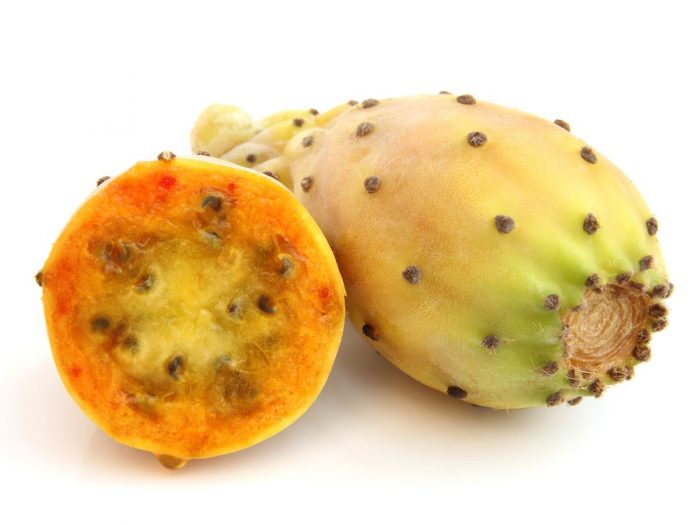
Pricklypears
=====================================================================================================================================================================================================================================================================================‘Prickly pear’ is the common name of the fruit that grows at the tops of the leaves of Nopales cacti. Spread throughout North and South America, about 200 different species of Nopales (scientific name Opuntia)cacti are found, all of which have some form of this prickly pear fruit, although not all varieties are edible. The most commonly used species in terms of eating and cooking would be the O. ficus-indica, also known as the Indian Fig Opuntia. The most interesting thing about this fruit is that it grows at the very edge of the spiny leaves of these imposing cacti, which are some of the hardiest lowland cacti in the world, a trait also taken on by its fruit. The fruits are oval in shape, and can range in color from yellow and light green to orange, pink, and red, depending on the variety and ripeness.
Before eating a prickly pear, it is very important to remove the skin and peel it off so all of the spines are removed. If they aren’t, the glochids can lodge themselves in your lips, gums, and throat, which can be very painful. After that, however, the fruit can be used for a variety of things, either eaten raw or dry, and made into various jellies and jams, candies, or alcoholic beverages like vodka.
In fact, native Americans often used prickly pears to make colonche, and certain varieties of the cactus possess psychotropic components, including mescaline, making the cactus fruits useful for making Ayahuasca. One of the most popular uses of prickly pear is as a hangover cure, and it has been used to reduce headaches associated with too much alcohol for hundreds (if not thousands) of years.
Although all cacti are technically native to the Americas, prickly pears and its fruit have spread across the world to Egypt, Morocco, various parts of Europe, the Middle East, and Greece. The prickly pears are used for food, as well as alternative medicine treatments, as it has a wealth of nutrients and potential health benefits. Let’s take a closer look at the unique health components found inside prickly pears.

Nutritional Value of Prickly Pears

Apart from the unusual name, appearance, and origins of this fruit, it also has a very unique composition of nutrients, including high levels of vitamin C, B-family vitamins, magnesium, potassium, calcium, copper, and dietary fiber. In terms of organic compounds, prickly pears have high levels of flavonoids, polyphenols, and betalains, all of which have a positive impact on human health.

Health Benefits of Prickly Pears

Immune System Booster: A single serving of prickly pears contains more than 1/3 of your entire daily requirement of vitamin C. Also known as ascorbic acid, vitamin C plays a major role in the immune system, stimulating the production of white blood cells and acting as an antioxidant throughout the body. Furthermore, vitamin C is an important component of various enzymatic and metabolic processes, including the creation of bone and muscle tissue.
Builds Strong Bones and Teeth: Calcium is an integral part of the human diet, and prickly pears contain a significant level of calcium in every serving. Calcium is a very important element in the creation of bone tissue in the body; in fact, 99% of the calcium in your body is found in your bones and teeth. By ensuring you have enough calcium in your system, you can prevent various dental issues, as well as age-related bone disorders like osteoporosis.
Digestive Health: Prickly pears have a significant level of dietary fiber, like most fruits and vegetables, so these spiny fruits can help you regulate your digestive process. Fiber bulks up stool to help food pass through the digestive tract easier, thereby eliminating constipation, bloating, and more serious gastrointestinal issues, such as colon cancer or gastric ulcers.
Heart Health: There are a number of components of prickly pears that make it very good for heart health. First of all, the levels of fiber in the fruit can help to lower the levels of “bad” cholesterol in the body, while the significant levels of potassium can help to lower blood pressure, by relaxing the blood vessels and reducing the stress on the cardiovascular system. Finally, the betalains found in prickly pear, have been directly connected to strengthening the endothelial walls of blood vessels, thereby reducing the chances of weakening or damage to the system. Reducing cholesterol, lowering blood pressure, and strengthening blood vessels can prevent atherosclerosis, coronary heart disease, and strokes.
Cancer Prevention: Everyone is looking for the solution or cure for cancer, but unfortunately, our best bet is still to eat as many antioxidants as we can to combat the effects of free radicals. Prickly pears have high levels of flavonoids, polyphenols, and betalains, all of which act as antioxidant compounds and neutralize free radicals before they can cause healthy cells to mutate into cancerous cells. Studies have shown lowered chances of cancer in people who regularly add these types of antioxidants into their diet.

Antioxidant Potential: These antioxidant compounds do more than prevent cancer; they also protect skin health, lower the chances of premature aging, improve vision, prevent macular degeneration, and also increase the strength and functionality of your brain. Free radicals are partially responsible for the oxidation of neural cells that can lead to dementia and Alzheimer’s disease. Polyphenolic compounds have been linked to increased cognitive activity.
Weight Loss Efforts: Like all fruits with high fiber and impressive nutrient density, combined with very low calories and very low saturated fat, prickly pears can keep your body in healthy form without packing on any extra weight and the fiber and carbohydrates prevent you from overeating!
Inflammation: In traditional medicine, prickly pear was mashed and applied topically to parts of the body that were inflamed. When consumed, some of the antioxidant and mineral contents of prickly pears can alsolower inflammation, particularly with conditions like arthritis, gout, or muscle strain. It can also be topically applied to eliminate the swelling of bug bites, a method that has been in use for hundreds of years.

Health Benefits of Pears

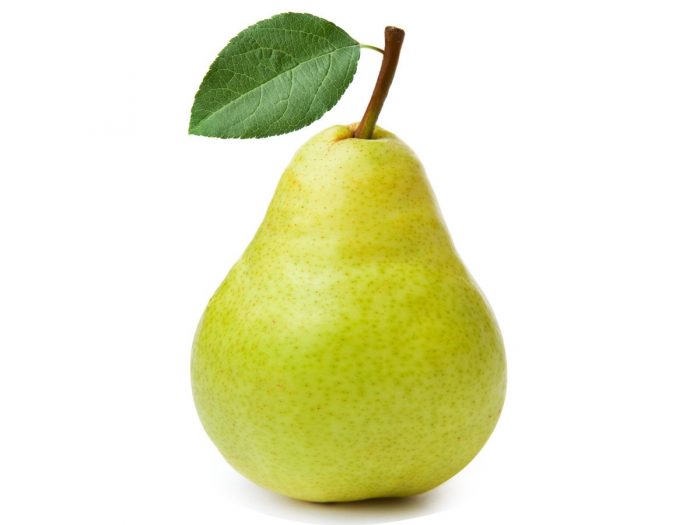
Pears are valuable fruits that have been widely used and savored for their delicious flavor since ancient times. Beyond being a tasty addition to the diet, pears are also packed with nutrients and nutritional value. Some of the health benefits of pears include their ability to aid in weight loss, improve digestion, improve heart health, regulate the body’s fluid levels, reduce blood pressure, increase cognitive ability, prevent cancer, promote wound healing and tissue repair, defend against birth defects, boost the immune system, reduce inflammation, increase the metabolism, improve circulation, protect against osteoporosis, while guaranteeing healthier skin, eyes, and hair.
pear====================================================================================================================================================================================================================================================================================

Pears are an integral part of the fruit diet of many cultures around the world, and the se oddly shaped and succulent fruits certainly provide a lot of nutritional value and medicinal benefits. The term “pear” actually describes a number of trees and bushes in the genus Pyrus, of the larger family Rosaceae.  There a wide variety of pear trees, and a few of them bear edible fruit that is commonly consumed by humans; a number of pear varieties are only used as decorative trees and shrubs.
The fruit is the upper end of the flower stalk, and is typically pear shaped, narrow at the top (stem) and wider at the bottom, however, this is not the way to ultimately determine a “pear” variety. Some pears are shaped just like apples! The appearance of the flesh inside the skin is also similar to apples, although it is a slightly grittier consistency, due to the presence of stone cells. This is one of the most obvious differences between the two fruits, as well as the taste.
It is native to the Old World, mainly Europe, North Africa, and Asia, and there is evidence of it being consumed since prehistoric times. It was unclear whether European varieties moved east, or if Asian varieties moves west and south from China, but evidence seems to point to China as the ultimate source of pears. It has been a part of international diets for thousands of years, and has been found in Celtic literature, Roman history, and Chinese lore. Its ability to grow easily in places with temperate, cool climates makes it very versatile and rather easy to cultivate.

Nutritional Value of Pears

Besides their availability and flavor, pears have also been valued for their medicinal benefits for thousands of years. Modern science now tells us the contents of the fruit, and the mineral, vitamin, and organic compound content of pear species is the reason for its vast health potential. Some of these active and effective components are potassium, vitamin-C, vitamin K, phenolic compounds, folate, dietary fiber, copper, manganese, magnesium, as well as B-complex vitamins.

Health Benefits of Pears

Digestion and Intestinal Health: The fleshy and fibrous pear fruit has a very important role to play in human digestion. With a single serving of pears providing 18% of the daily requirement for fiber intake, they can be a very strong agent for digestive health and function. Most of the fiber in pears is non-soluble polysaccharide (NSP), which means that it acts as a bulking agent in the intestines. It accumulates the food and adds bulk so it is easier to pass through the intestines. Furthermore, it stimulates secretion of gastric and digestive juices so food moves smoother, in a more digested state. It regulates bowel movements and reduces the chances of constipation, as well as diarrhea and loose stool, since it adds that bulk to the bowel movements. Also, the gritty nature of pear fiber helps it bind to cancer-causing agents and free radicals in the colon and protects that organ from their damaging effects.
Low in Calories: One of the complaints that some people have about various fruits is the calorie content, mainly derived from natural sugars. However, pears are one of the lowest calorie fruits; an average pear has just over 100 calories, which is 5% of daily calorie allowance of a healthy diet. However, the nutritional supplementation it gives you is immense, and the fiber makes you feel full. Therefore, people trying to lose weight often turn to pears to get the most “bang for their buck”. It is a high-energy, high-nutrient food with a low impact on weight gain and obesity.
Antioxidant Activity: Like many other fruits, pears are a wealth of antioxidants that combat various diseases and conditions within the body. Antioxidants work to eliminate the free radicals that accumulate in the body following cellular metabolism. These free radicals mutate healthy cell DNA into cancerous cells, and can cause a number of other devastating conditions. Therefore, antioxidant components of vitamin C, vitamin A, and flavonoid compounds like beta-carotene, lutein, and zea-xanthin, all of which are found in pears, can seriously help rid the body of these dangerous compounds.
Immune System Health: Similarly, the immune system of the body is also boosted by the activities of antioxidants and vitamin-C. Vitamin C has long been known to be beneficial for the immune system, as it stimulates white blood cell production and activity. Traditionally, fruits like pears have been suggested to eliminate simply conditions like the common cold, the flu, or various other mild illnesses that a quick immune system boost could help cure.
Cancer Prevention: Antioxidants are primarily praised for their anti-carcinogenic activities, and pears have been connected to prevention of a number of different types of cancer, including colon, rectum, breast, prostate, and lungs. This is not unique to pears, but they do have a high antioxidant score, compared to many other fruits.
Potassium Content: Pears are a wonderful source ofpotassium, which means that pears can have a significant impact on heart health, because potassium is a well-known vasodilator. This means that it lowers blood pressure, which reduces strain to the entire cardiovascular system and makes it harder for clots to form or harm you. Furthermore, it increases blood flow to all parts of the body, which oxygenates the organs and promotes their effective function. Lowering blood pressure is also connected to a lower chance of cardiovascular diseases like atherosclerosis, heart attacks, and strokes. Finally, potassium works as a fluid regulator in the body, meaning that it keeps the various parts of the body hydrated, and ensures the balance of essential fluids in the cells and organs. Without potassium, many of our most essential functions would be either slowed down or stopped altogether!
Wound Healing and Tissue Repair: Vitamin C is also an essential part of synthesizing new tissue in various organs and cellular structures of the body. This keeps the body metabolism running smoothly and ensuring that all functions operate properly. Furthermore, wound healing is sped up with high levels of ascorbic acid, so small injuries, cuts, and damage done by injuries and diseases can be fixed faster if you add high levels of this essential nutrient to your diet, which pears do provide. It also helps to repair damaged blood vessels, which reduces the strain on the cardiovascular system and prevents certain heart diseases from developing.
Improved Circulation and Red Blood Cell Count: For patients that suffer from anemia or other mineral deficiencies, pears can be very helpful, due to its content of copper and iron. Copper facilitates and improves the uptake of minerals into the system, and increased levels of iron mean that red blood cell synthesis increases. Iron is an important part of hemoglobin and anemia is another name for iron deficiency. You can prevent fatigue, cognitive malfunction, muscle weakness, and organ system malfunction by consuming foods high in iron and copper, both of which are found in significant amounts in pears.

Birth Defects: Folates are another of the valuable nutritional components of pears. Folic acid has been positively correlated with a reduction in neural tube defects in newborns, so eating folate-rich fruits like pears can protect the health and happiness of your baby, so pregnant women are always encouraged to monitor their folic acid levels.
Inflammation Reduction: The antioxidant and flavonoid components of pears can also induce anti-inflammatory effects in the body and reduce the pain associated with inflammation diseases. This includes the reduction in symptoms of arthritis, rheumatic conditions, gout, and similar conditions. Most fruits have these effects, although citrus fruits are not quite as effective.
Bone Health: The high mineral content of pears, which includes magnesium, manganese, phosphorus, calcium, and copper, means that you can reduce bone mineral loss and debilitating conditions like osteoporosis and general weakness of the body due to lack of support from the bones.
Skin, Hair, and Eyes: One of the most versatile vitamins in the human body is Vitamin A. Pears are high in vitamin A, and its subsequent components, like lutein and zea-xanthin.  They act as an antioxidant as well as participating in a number of enzymatic reactions and organ functions, pears can reduce the effects of aging on the skin, like wrinkles and age spots. This powerful fruit can also reduce hair loss, macular degeneration,cataracts, and various other conditions associated with the aging process.
A Few Words of Caution: There are no known interactions or health risks with pears, although there are always ongoing studies. However, since some people suffer from allergic reactions based on certain types of fruit, monitor your body’s behavior and reaction if you do not normally eat pears, and only eat an appropriate amount, no more than one pear per day.

Uneasy symptoms and reasons for acidity

Acidity Symptoms and Causes
It may come in middle of the night in the form of coughing and choking, or perhaps at work as a sudden burning sensation, incessant pain in your chest at office after a huge, greasy meal. Acidity has many faces, most are discomforting.


When acid from the stomach leaks up into the gullet (oesophagus), the condition is known as acid reflux, commonly called acidity. If acid reflux symptoms happen more than twice a week, you have acid reflux disease, also known as gastroesophageal reflux disease (GERD).

Common Causes of Acidity


  • Eating large meals or lying down right after a meal
  • Being overweight or obese
  • Eating a heavy meal and lying on your back or bending over at the waist
  • Snacking close to bedtime
  • Eating certain foods, such as citrus, tomato, chocolate, mint, garlic, onions, or spicy or fatty foods
  • Drinking certain beverages, such as alcohol, carbonated drinks, coffee, or tea
  • Smoking
  • Being pregnant
  • Taking aspirin, ibuprofen, certain muscle relaxers, or blood pressure medications
Acidity Symptoms and Causes


    Symptoms of Acidity

    Heartburn- A burning pain or discomfort that may move from your stomach to your abdomen or chest is known as heart burn. It is the most common symptom if you have acidity.  The pain can also move into your throat. Despite its name, heartburn doesn't affect your heart.

    Chest Pain- Chest pain, which occurs because stomach acid is splashing into the oesophagus, is a classic acid reflux symptom. But the pain can last longer and be more intense than expected. You can never ignore chest pain, especially if it gets worse when you exercise or exert yourself.

    Regurgitation- Another common symptom of acid reflux is regurgitation, or the sensation of acid backing up into your throat or mouth. Regurgitation can produce a sour or bitter taste, and you may experience a "wet burp" or even vomit some contents of your stomach.

    Pain Worsening at Rest- The acid that is supposed to stay in your stomach is more likely to escape into your oesophagus when you lie down or bend over, causing heartburn.

    Pain after Meal- Pain that sets in right after a meal—especially a big meal—often means the stomach is overloaded and its contents have nowhere to go but up. But you may be able to prevent this without taking medication.

    Foods that Worsen Acidity Symptoms

    Certain foods can make the symptoms of acid reflux worse. To lessen your symptoms, try avoiding:
    • Citrus fruits
    • Chocolate
    • Caffeinated drinks or alcohol
    • Spicy, fatty, or fried foods
    • Garlic and onions
    • Peppermint
    • Tomatoes

    When experiencing acidity, stronger medications should be taken with care, as they can cause side effects.  And remember; always contact your doctor if you are experiencing chronic and severe symptoms of acid reflux.

    Five different types of meditation


    Mediation has proven to provide significant benefits in the life of practitioners. There are over five different types of meditation techniques listed below that can give you an insight into the treasury of a healthy mind as well as body. 

    Breath Observation

    Central to any technique of meditation is breathing or monitoring one's breath. Breath observation is as simple as paying attention to your breath for a very short period from say a few seconds to minutes. To start with the breath observation meditation technique, settle yourself down on a flat surface and in a place that is quiet and serene. Sit straight and place your hands on either of your knees.Take a deep breath and exhale slowly. Breathe from your nose as it transports oxygen all the way to the bottom of the lungs. If your mind wanders for the first few times during your meditation session, re-focus your attention on your breathing pattern and continue doing it for long as you are comfortable. 
    breath observation


    Begin Meditation with an empty mind

    Meditation, for many experts or regular practitioners, is a source for vacating all the thoughts from the mind. And, to do this, sit patiently on flat surface with your back straight and eyes closed. Let the mind relax. This might be an especially diificult meditation for beginners because an effort of any kind on the mind will cause wrong practice of the technique. Just be patient and take your time.

    Walking Meditation

    Walking meditation requires the practitioner to use his or her body completely. This can be performed outdoors or inside a room. While you start walking, observe the way your body moves and how your feet contracts when it is exposed to ground. While walking, observe your breath. If you are planning to exercise the walking meditation technique outside your house, look out for a place that is away from the hustle bustle of city life. The health benefits of meditation are immense.

    walking meditation

    Mindfulness Exercise

    Mindfulness exercise is also called insight meditation. In mindfulness exercise, you meditate to enhance awareness of everything that is happening around you. To start this meditation technique, you can concentrate on your breathing pattern. Slowly, move away from the thoughts that may be troubling your mind and focus on what is going on outside the realm of your body and mind. The key to this meditation technique is to watch and hear everything without judging or analysing what is being seen or heard.

    Simple Mantra Meditation

    Mantra meditation is considered one of the easiest ways of meditation as it draws you away from all thoughts by making you focus on just one object. Chanting mantras is a great help for people who wish to practice this technique. An experienced master who understands your expectations from a regular meditation routine usually chooses the mantra. While doing this meditation, you can either choose to say the mantra aloud or in your head.

    Several other kinds of meditation techniques are available as well, but they need to be practiced regularly. However, one must understand that these techniques are usually used to suit certain situations.

    Health Benefits of Nopales

    Nopales are spectacularly healthy type of cacti with a wide range of health benefits including its ability to aid in weight loss, prevent cancer, improve skin health, protect heart health, regulate and improve digestion, boost the immune system, optimize metabolic activity, build strong bones, cure insomnia, and reduce inflammation throughout the body.

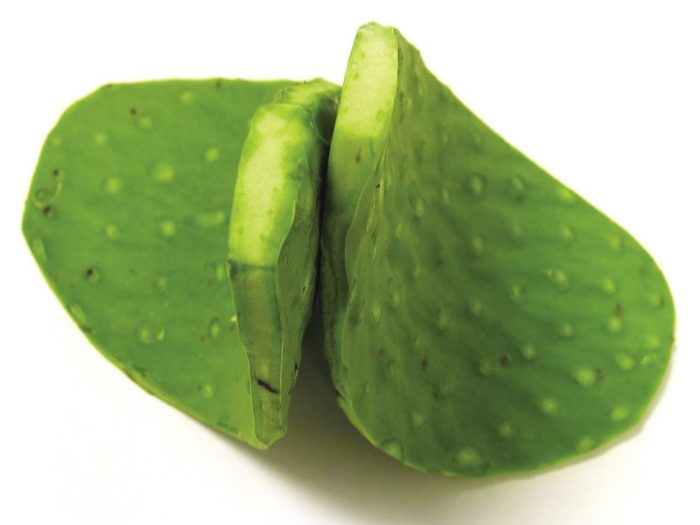
    Nopales===================================================================================================================================================================================================================


    Nopales are a form of vegetable that is made from the soft pads of underdeveloped prickly pear cacti. The useful vegetative pads are either green or purple, and are roughly the size of a person’s hand. They have a consistency somewhere between green beans and green peppers, and are regularly added to eggs and steak stir fry. They are native to Mexico and Central America, and it is in this cuisine that you most commonly find fresh nopal. It is mainly found fresh in Mexico, and either canned or pickled as an export, particularly to the Southwestern United States and Texas.

    Nutritional Value of Nopales

    The wealth of health benefits that come from nopales are mainly attributable to its nutrition and vitamin content, which includes riboflavin, vitamin B6, copper, iron, fiber, vitamin-A, C, K, calcium, potassium, magnesium, and manganese. It is also an important source of certain organic compounds like phytochemicals and certain polysaccharides that also contribute to the health boosting power of nopales. Let’s explore some of these health benefits that people have been enjoying for thousands of years in the more details explanations below.

    Health Benefits of Nopales

    Digestion: Nopales are forms of cacti, so they are very fibrous and contain a great deal of dietary fiber. Dietary fiber is essential in the digestive process, because it adds bulk to bowel movements that make them easier to pass through the smooth muscles of the digestive tract. It also stimulates peristaltic motion to move the bowels along the tract, and reduces symptoms of both diarrhea and constipation. Furthermore, excess fiber in the body can actively reduce the amount of cholesterol, thereby protecting your heart health as well.
    Weight Loss: There are a number of components within nopales which can aid in weight loss. First, fiber can make the body feel full and inhibit the release of ghrelin, which is the hunger hormone, so overeating is reduced. Secondly, this plant is very low in saturated fat and cholesterol, but it is packed with metabolic potential, so the body works at a higher level without gaining weight. The presence of vitamins B6, thiamin, and riboflavin also makes metabolic function work quickly, and they maximize fat burning and the transformation of food to usable energy.
    Cancer Prevention: The variety of phytochemicals, flavonoid compounds, vitamin-C, and other antioxidants found in nopales make it extremely beneficial for the entire immune system, particularly when it comes to various cancers. Antioxidants are beneficial compounds that seek out free radicals in the body and eliminate them before they can mutate the DNA of healthy cells into cancerous cells. Free radicals are the dangerous byproducts of cellular metabolism that can accumulate in the body and cause a variety of health problems, including cancer. The content of vitamin A and flavonoids in nopales have also been connected to a reduction in skin, lung, and oral cancers.
    Metabolic Activity: One of the most important aspects of nopales in terms of health is its mineral and vitamin content. Nopales contain thiamin, riboflavin, niacin, and vitamin-B6, all of which are vital components of cellular metabolism and normal, regulated enzyme function throughout the body. If your organ systems and hormonal balance are optimized, then your body will run more efficiently, you will increase weight loss, promote healthy muscle gain, boost repair and maintenance of organs, and generally tone the entire body.
    Builds Strong Bones: The mineral content of this powerful cactus leaf includes a modest level of calcium, which is an essential part of building strong bones and repairing bones after being damaged.
    Improve Sleep: This plant also contains magnesium,which is a useful mineral for inducing feelings of sleep for people suffering from insomnia, chronic anxiety or restlessness. It induces the release of serotonin in the body, which results in increased melatonin levels. It also has a slightly sedative effect, which reduces nerve function and calms the body, helping you to fall asleep.
    Inflammation: The juice that is taken out of the pickle pear leaves of nopales has been shown to have anti-inflammatory effects on a variety of body parts, including those symptoms associated with arthritis, injury, joint pain, and muscle strain. Apply the juice topically to the affected area, of consume the vegetable itself to also enjoy the effects.
    Skin Health: The phytochemical and antioxidant characteristics of nopales make them a good defensive mechanism against premature aging symptoms, like wrinkles and age spots. The free radicals left after cellular metabolism can seriously impact the skin and by eating nopales, you can keep your skin looking healthy, young, and refreshed.
    Diabetes: The extracts from the leaves of prickly pear cactus can be powerful regulators of glucose levels within the body. For patients with type 2 diabetes, it can cause a reduced spike in glucose levels following eating, which makes the management of diabetes easier.

    Ulcers: Following the traditional use of nopales as a cure for gastric ulcers, recent studies have verified these effects. Apparently, the mucilage and fibrous material in nopales makes it inhibit the development of gastric ulcers and those that develop due to excessive consumption of alcohol, so for people who regularly suffer from this painful condition, add some of these powerful plants to your diet and improve the quality of your life!
    A Few Words of Caution: Due to its ability to regulate and affect blood sugar levels, nopales can sometimes make people hypoglycemic, and it should also not be consumed excessively before an operation, since it makes it difficult to control glucose and blood nutrient levels. Other than those health concerns, nopales are a delicious and highly nutritious addition to your diet!

    Sunday, January 24, 2016

    Home Remedies to Prevent Bed Bugs

    Some of the most effective home remedies to prevent bed bugs include the use of rubbing alcohol, baking soda, cayenne pepper, talcum powder, caulk, tea tree oil, thyme, mint, lemongrass, clove, lavender oil, and steam cleaning.

    Bed Bugs

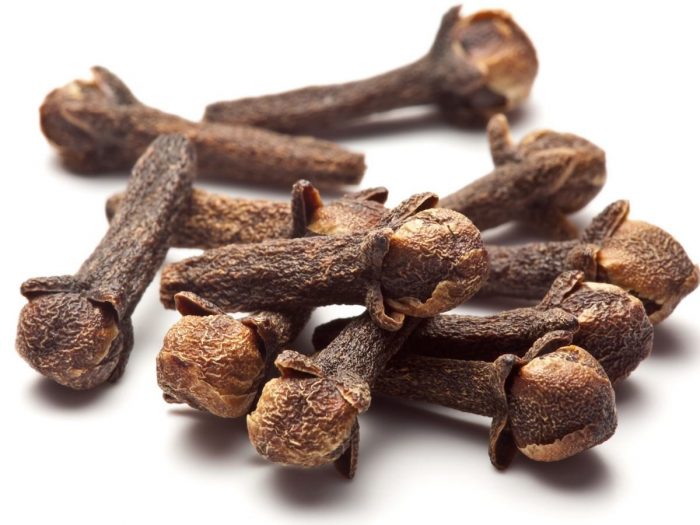
    One of the most disturbing things to think about is insects crawling on your skin when you sleep, but unfortunately, that is precisely what happens to people who suffer from a bed bug infestation. Common bed bugs that feed on human blood are scientifically known as Cimex lectularius, and they prefer to live in warm places, near bedding and sleep areas, as that is where their primary source of food (humans) spend a lot of their unconscious time. Bed bugs are largely nocturnal and can reproduce very quickly. They are approximately 4-5mm in size as an adult, and can largely go unrecognized. However, their bites appear as small red bites, and can also spread into a larger rash and general redness.Cloves11
    Following the bites, you can usually inspect the bedding closely to find the culprits. Fortunately, bed bugs are not known to carry pathogens or be more than a minor annoyance to humans, but they are still rather gross, and can spread so quickly to other fabrics and bedding that outbreaks are common. Some people choose to use pesticides to eliminate bed bugs, but part of the reason bed bugs have seen a resurgence in recent years is because of pesticide resistance. Therefore, many people have turned to more trusted strategies (that also have less side effects for animals, small children, and the environment). Now, let’s take a closer looks at these natural and home remedies to prevent bed bugs.

    Home Remedies to Prevent Bed Bugs

    Steam Cleaning: One of the best way to eliminate these irritating little parasites is with extreme heat. Therefore, steam cleaning your bedding or other fabrics that may be infested with bed bugs is a great strategy to kill the critters quickly. Any temperature above 150 degrees Fahrenheit makes it impossible for them to survive, which makes steam cleaning one of the most effective and surefire ways to clear up the issue.
    Lavender Oil: Through endless trial and error and generations of trying to eliminate these pesky creatures, it has been found that bed bugs absolutely despite the smell and taste of lavender oil. The same is true of all other essential oils as well, but lavender oil is the most effective. Sprinkle some on your sheets and pillows, and the bed bugs will literally run the other way.
    Caulk: While this isn’t a direct treatment for the bed bugs, it is a wonderful way to prevent the bugs from ever entering (or returning) to your home. You can put extra caulk on the door frames, cabinets, and any other entry points into your home. That way, bed bugs won’t be able to find their way in in the first place!
    Mint: The smell of mint leaves is also a natural insect repellent, so many people have traditionally sprinkled crushed mint leaves around their sleeping area to ward off the bugs, or they store their bedding with mint leaves stored between the sheets and blankets.
    Tea Tree Oil: As one of the strongest and most potent essential oils, tea tree oil has been turned to for many home remedies. For bed bugs, this natural antibacterial, antiviral, and antifungal acts quickly to eliminate the infestation. It can be sprinkled on the sheets or mix it in with your cleaning products and use it throughout the house, to prevent them from ever entering.
    Rubbing Alcohol: One of the best things about alcohol is that it is a drying agent. The alcohol quickly dehydrates the bed bugs and effectively kills them, ending the infestation. However, then your sheets have been sprayed with a mist of alcohol, so they should be cleaned immediately.
    Baking Soda: Similar to rubbing alcohol, baking sodahas a remarkable ability to soak up any liquids near it, acting as one of the most effective drying agents on the market. Spreading this substance on the floor near cracks in the wall, or sprinkling some on your bed, can quickly eliminate the problem.
    Lemongrass: This herb works in two ways to eliminate bed bugs. Not only do they seem to hate the smell and flee from it, but lemongrass also increases the acidity levels of the bugs, which they cannot tolerate. Either way, this home remedy is highly effective and widely used.
    Clove: Just like lemongrass, the high acidity of clove essential oil makes it intolerable for bed bugs, who would much rather flee from the high pH then suffer, even at the loss of a good meal. Sprinkling clove oil on your bedding and pillows should do the trick.
    Cayenne Pepper: By combining ginger and cayenne pepper, you can create a solution that is extremely potent and unpleasant for bed bugs, so they will not be able to stand being in its presence. Problem solved!
    Talcum Powder: Talcum powder, a particularly powerful drying agent, acts to suffocate the bed bugs right between the sheets, so an easy sprinkle should clear up your problem quickly. At that point, you can wash the sheets or steam clean them to eliminate the bodies and get your sleeping back to normal.

    Thyme: This herb has a very powerful smell, particularly when burned, and is capable of clearing out an infestation of bed bugs in no time. Also, thyme can be spread or disseminated near the borders of the home or the door frames, to prevent the bed bugs from entering.

    6 reasons why you should consider sleeping naked


    Many people tend to shy away from the concept of sleeping naked because it is seen as a perverse activity. However, instead of laughing away the idea of going to bed naked, you will be surprised to know that sleeping in the nude actually has amazing health benefits that could improve the quality of your life. Here’s why you should consider ditching your nightie and pajamas and instead get into the habit of sleeping naked (provided you have your own room!):

    1. Builds intimacy with your partner

    Sleeping naked with your partner could help in strengthening your marriage or relationship. This is because skin-to-skin contact helps in the release of oxytocin. This is a strong hormone or neurotransmitter in the brain that plays a vital role in bonding and the levels usually tend to increase when you’re hugged or kissed by a loved one. Other than this, sleeping in the nude will also help in making you more familiar with your partner’s body and learning about their pleasure points. In fact, a survey conducted in England revealed that 57% people who slept naked with their partners felt happier than usual. Here’s how you can get your partner in the mood by sleeping naked.
    2. Helps you achieve a positive body image
    Most of us struggle with achieving a positive body image and accepting our body the way it is. Being bombarded by pictures of models and actors with ‘perfect bodies’ only makes it more difficult. However, sleeping in the nude will gradually help you in accepting all your physical flaws and embracing your body type. This is because when you momentarily look in the mirror every morning, you only tend to notice the parts of your body you have grown to strongly dislike. When you’re naked for several hours on end, you learn to grow comfortable with how your body looks and even start noticing your physical assets for a change.
    3. Helps keep you cooler                        
    During summer, most of us struggle with falling asleep due to high temperatures and humidity levels. By going to bed in your night gown or pajamas, you tend to feel warmer than it actually is. Sleeping naked will help in maintaining the ideal body temperature to fall asleep. This will help you in having a deep and sound sleep without having to worry about drastically reducing the temperature of your air conditioner.
    4. It can help in keeping skin conditions at bay
    After a long day of staying outdoors in your work clothes, your skin barely gets the opportunity to replenish itself from the constant heat and humidity. It is a known fact that while you sleep, your skin finally gets to heal and replenish itself, which is why the term ‘beauty sleep’ is used so often. By sleeping naked, there’s no fabric pressing against your skin that can hinder this process. Your skin gets to breathe and you are at a lower risk of developing skin conditions like folliculitis(inflammation of the hair follicles) or premature skin geing.
    5. Improves sperm quality
    A study conducted by American researchers from the University of Standford and the National Health Institute of Child and Human Development in 2015 revealed that wearing tight boxers or underwear during night time can affect one’s sperm quality. Around 500 men were a part of this study and were told to wear underwear of their choice during day and night time. Their sperm quality was then recorded. It was then found that those who wore boxers during the day and slept naked at night had a 25% lower risk of DNA fragmentation in their sperms as compared to those who wore their underwear even after going to bed. This study was presented by the researchers at an annual meeting held by the American Society for Reproductive Medicine in Baltimore. So if you want to improve your chances of conceiving a child, sleep naked!
    6. Helps in promoting vaginal health
    Just like your skin, even your vagina needs to breathe during night time for maintaining a healthy pH level and keeping vaginal infections at bay. Vaginal yeast infections are caused by a fungus called C.albicans which thrives in moist and warm places. By sleeping naked, you can keep your lady parts well ventilated and dry and prevent the fungus from breeding and causing any form of irritation

    Sunday, January 10, 2016

    WHAT IS BER FRUIT? JUJUBE BERRY: MEDICINAL BENEFITS OF BER OR JUJUBE BERRY


    BER, JUJUBE, ZIZYPHUS VULGARIS


    Ber is the Urdu name for the fruit of the treeZizyphus vulgaris, or mauritania or sativa and is called the jujube berry in English. It is also known as the Indian jujube or Chinese date. It has a brownish skin when ripe and smells a little like hops, with an astringent taste. These trees are believed to be native to Syria, but there is some evidence that they are also native to the Indian subcontinent.
        In Pakistan the fruit can be found in the month of December, and it is sold then fresh, but can also be dried. In Europe the fruit was made into a cough medicine and tisane for medicinal reasons in times past. 
         In India the tree is sacred to Shiva and is known as “the tree which removes sorrow”, perhaps because of its sedative properties. It was depicted in the Ramayana so has been known for centuries in the subcontinent and was not a recently introduced species.

        In Pakistan there are metaphorical uses forber as they say that if you have a quarrel with a relative or close friend you should go and talk it over as a relationship is not like ber.  If you leave the person you quarreled with alone for some time the rift will widen between you. If ber fall to the ground they are not damaged but the fruit gets better, and if you smooth things over after a quarrel the relationship will get better like the ber.
       It is also said that if there are marriageable daughters in a house then suitors will come just as surely as if there were a ber tree and stones will come as the children try to knock the fruit off the tree.

         The fruit has been used in traditional medicine as an emollient, expectorant, coolant, anodyne and tonic and has been used as an antidote for aconite poisoning. It is given to relieve abdominal pains during pregnancy and can be applied to wounds when used in a poultice.
      The leaves can be used as a laxative and for throat problems as a decoction and the same liquid can also be used for skin problems. The roots have wound healing properties too.
       Medical researchers have found a “new” flavonoidin ber called zivulgarin and trials are underway to discover how it might benefit us. Oleamide found in an extract of Zizyphus jujube has been found to help fight Alzheimer’s disease, and help the cognitive processes.
       Wood from the trees is used by villagers to make agricultural implements as it is hard and durable, while the leaves are used as fodder for sheep and goats, so all parts of the tree are useful and well utilized.

        It has been found that there is saponins in he leaves and vitamin C in the form of ascorbic acid in the fruit, as well as the B-complex vitamins, thiamin, riboflavin and pectin. It has immunostimulant, antioxidantand wound healing properties, and pectin is known to be useful in cases of diarrhoea. The fruit also helps lower cholesterol levels and blood pressure. Some of the triterpenoic acids isolated from the fruit are also believed to be useful in fighting cancer and HIV.
       Personally I don’t like these fruits, but as they are so good for us, I might try one or two again.