Friday, February 26, 2016

Fruits for Pregnant Women


Most of the women are worried about eating fruits as papaya and pineapple are considered to be dangerous during pregnancy. Fruits to avoid during pregnancy If you want to know which fruits you can have during pregnancy, here is a list. Check out the fruits you should include in your pregnancy diet for a healthy you and baby.

1.        Avocados It is one of the fruits that is rich in folic acid. Women need loads of folic acid during pregnancy, which is very good for the mother and the fetus was conceived. In addition to strengthening the nervous babies, avocado fruit benefits for pregnant women also reduce the risk of babies born with disabilities. have this fruit.

2.      Mangoes The summer fruit is not just delicious but healthy too. Mango can help facilitate digestion pregnant women besides mangoes are also rich in vitamins A and C which is healthy for pregnant women.
3.      Grapes Many women think it is not safe to eat grapes. However, grapes are rich in Vitamin A which stabilises metabolic rate. Grapes also have folate, potassium, phosphorous, magnesium and sodium which is good during pregnancy.
4.       Sweet lime It is one of the fruits that reduces nausea, morning sickness and common health problems during pregnancy. The citrus fruit is loaded with antioxidants that are good for the baby.

5.        Lemon Lemon is often used by women to aid digestion, get rid of nausea and morning sickness during pregnancy. Lemon cleanses the body and flushes out toxins.

6.        Bananas Constipation is a common health problem during pregnancy. For easy passage of stool and a clean system, have bananas. Bananas also contain vitamin C is necessary for the formation of blood vessels, gums, bone and skin, therefore extra vitamin C is needed in times of pregnancy.

7.       Berries Berries are rich in antioxidants and is considered as a superfood. You can include this fruit in your pregnancy diet.
8.       Oranges They are sweet and tangy; perfect flavours a pregnant woman wants. Moreover, the citrus fruit is loaded with vitamins and nutrients.
9.       Apples It is healthy and loaded with healthy vitamins that are good for the body.

10.     Lychee This summer fruit is definitely a safe fruit during pregnancy, Lychee is good to eat on the hot day, to refresh the body.

Maintaining proper nutrition during pregnancy is important not only for your baby's health but also for the mother's health, too. Incorporating fruit into your pregnancy diet is a healthy, delicious way to boost your nutrient intake, while aiding in the growth and development of your baby.

Marian Plum


Marian plum is called the king of fruits not just for its taste and super flashy yellow color, but also for the array of health benefits it offers.

The Marian Plum  is a cousin of the mango in miniature. Marian Plums ripen in March to May. It has an oval shape, with green skin, and ripen to a bright yellow or orange skin. Marian Plum  has two species: sweet and sour. Sweet Marian Plum is eaten when ripe, while sour Marian plum is used for making chili dip or eaten with a sweet and salty sauce.

The characteristic of the Marian plum is its incredibly taut skin. The feeling of my teeth piercing through the peel to reach the fruit’s flesh.Marian plum has a low glycemic index (41-60) so going a little overboard will not increase your sugar levels.

Health Benefits:

1.  Prevents Cancer:

Research has shown antioxidant compounds in Marian plum fruit have been found to protect against colon, breast, leukemia and prostate cancers. These compounds include quercetin, isoquercitrin, astragalin, fisetin, gallic acid and methylgallat, as well as the abundant enzymes.
2.  Lowers Cholesterol:

The high levels of fiber, pectin and vitamin C help to lower serum cholesterol levels, specifically Low-Density Lipoprotein (the bad stuff)
3.  Skin Cleanser:

Can be used both internally and externally for the skin. Marian plum clear clogged pores and eliminate pimples. (Read more on page 5.)
4.  Eye Care:

Did you know that Marian plum is rich in vitamin A. One cup of sliced Marian plums equals 25% intake of your daily need of vitamin A. Marian plums help in promoting good eye sight, fights dry eyes and also prevent night blindness.
5.  Alkalizes the Body:

The tartaric acid, malic acid, and a trace of citric acid found in the fruit help to maintain the alkali reserve of the body.
6. Weight Loss
Marian plum has a lot of vitamins and nutrients that help the body feel fuller. Also, the fibrous fruit boosts the digestive function of the body by burning additional calories, helping in weight loss.
7. Regulates Diabetes
Not only the fruit but the leaves of Marian plum are healthy too.  For people suffering from diabetes, just boil 5-6 Marian plum leaves in a vessel, soak it through night and drink the filtered decoction in the morning. This is helps in regulating your insulin levels.
8. Aphrodisiac
Marian plum has aphrodisiac qualities and is also called the ‘love fruit’. Marian plum increase the virility in men.
9. Helps in Digestion
Marian plum contains enzymes that help in breaking down protein. The fibrous nature of Marian plum helps in digestion and elimination.

Water Guava(Jambu air)

Jambu air or water guava also known as rose apple, does not at all resemble an ordinary apple. This water guava is imported from Thailand. The fruit has the shape and size of a small pear. Fresh water guava has a bright green colour. If ripe, the skin is rose-pink and waxy. The fruit is crispy, has a woolly texture and tastes like an apple. The liquid to flesh ratio of the wax apple is comparable to a watermelon. It's remarkably refreshing and juicy.

water guava, are low in calories and rich in antioxidants. In medical industry the fruit is undoubtedly a tonic for the brain and liver in India. A distillation of the fruit behaves as a diuretic. A sweetened preparation of the flowers is considered to lessen a fever. The leaf decoction is used to sore eyes, also works as a diuretic and expectorant and cure for rheumatism.

A number of Traditional Medicinal Utilizes which aren’t however clinically confirmed. The seeds are utilized towards diarrhoea, dysentery and also discharge .In Nicaragua, it is often claimed that the infusion of roasted, powdered seeds is effective to diabetics. In Colombia, they promise that the jambu air seeds provide an pain-killer. there are actually many benefit and nutrient can get form eating this fruit

1. Prostate Cancer Prevention
Water guava has shown to prevent the development of cancer of the prostate. There is certainly a few proofs that selecting a nutritious diet that’s lower in fat and also packed with vegetables and fruit may possibly lower your chance of prostate cancer.

2. Breast Cancer Protection
Water Guava, consuming a diet abundant with vegetables and fruit doesn’t provide direct defence against breast cancer. Additionally, dietary fat as well as breast cancer demonstrated just a minor reduction in the potential risk of unpleasant breast cancer for ladies who consumed a low-fat diet.

3. Lower Cholesterol
Water Guava are usually loaded with vitamin C and also fiber, a substance which has been proven to reduce cholesterol levels.

4. Beneficial for Diabetics
Water Guava fruit has an effect on the pancreas within diabetes sufferers and also behaves as a block from the transformation of starch into sugar. The seeds have got a glucose within them referred to as jamb line which can be dried out and changed into a powder this particular powder could be included with water 3 to 4 times each day to help lessen sugar within the urine.

5. Water Guava good for brain and Liver
The fruit is recognized as a tonic for the brain and also liver. An infusion of the fruit behaves as a diuretic. A syrupy preparation of the flowers is considered to lessen a fever. The leaf decoction is used to sore eyes, additionally functions as a diuretic and also expectorant and cure for rheumatism. The juice of macerated leaves is taken like a febrifuge. Powdered leaves have already been applied on the bodies of smallpox sufferers for the chilling result.

Wednesday, February 24, 2016

Antioxidant Brain Fruit


Eating good antioxidant Fruits helps you avoid diseases that make life tough on your brain. There are some Fruits which are a powerhouse for brain health. Antioxidants neutralize free radicals are groups of atoms that can damage cells and are believed to accelerate the progression of cancer, cardiovascular disease, and age-related diseases. A diet rich in antioxidants may also keep the brain operating at its peak to help reduce the risk of conditions.

Here are some of selected fruits that have high benefit for our brain:

Avocado - Healthy unsaturated fats in avocados help keep your brain cell membranes flexible. Avocados contain high quantities of monounsaturated fatty acids. helped protect nerve cells in the brain known as astrocytes, which provide support to information-carrying nerves. Avocados combine brain healthy omega-3 fatty acids with natural vitamin E, which has been clinically proven to prevent Alzheimer's disease from progressing and even reversing it in its earliest stages.


Blueberries - Help to improve short term memory, and slow, and even reverse, the onset of age related memory problems and balance issues. They also have a low GI, Berries could play an important role in clearing the accumulation of toxic proteins in the brain.Berries are a good source of antioxidant compounds and compounds such as polyphenolics that block inflammation and protect against cell damage. Scientists believe these polyphenolics restore the brain's ability to clean up cell debris produced as the brain ages, so it doesn't interfere with normal brain and nerve function. In a sense, the polyphenolics in berries carry out a "clean up" job that allows the brain to function better.

Nuts - Nuts are not only high in protein, but are also a good source of vitamin E, which helps prevent memory decline. Nuts contain protein, high amounts of fiber, and they are rich in beneficial fats. For getting an immediate energy boost that won’t turn into a spike later, you can’t do better than nuts. The complex carbs will perk you up while the fat and protein will sustain you. Nuts also contain plenty of vitamin E, which is essential to cognitive function. You don’t have to eat raw, plain, unsalted nuts, but do avoid the ones with a lot of sweetening or seasoning blends. Filberts, hazelnuts, cashews, and walnuts are great choices, with almonds being the king of nuts.


Watermelon - An excellent source of vitamin B6, watermelon makes an awesome brain food since it contains 92% water, which is the same content as the brain.  Besides this, watermelon helps regulate brain chemicals, thus normalizing sleep patterns, alleviating stress and depression besides enhancing a feel good factor. Being nature’s most natural source of potent antioxidant vitamins such as C and A through concentration of beta-carotene, along with their abundant supply of carotene antioxidant, lycopene, Watermelons protect the bodies from risk of various ailments.


Tomatoes - Tomatoes have been shown to fight against damaging free radicals. More concentrated methods of consumption, such as in tomato paste, provide the greatest benefits, but fresh tomatoes still hold some benefits as well.Tomatoes usually make the brain-boosting food lists. Tomatoes contain lycopene, an antioxidant that is particularly good for your brain, it even helps prevent dementia. You have to cook tomatoes to get the lycopene take that, raw foodies! Just kidding. But this does mean that ketchup is good for your brain. Although because of the sugar in it, you should look to other sources for most of your lycopene intake, such as fresh tomato sauce.


Pomegranate - Pomegranates contain same level of antioxidant as blueberry, which are essential for a healthy brain. Your brain is the first organ to feel the effects of stress, so anything you can do to offset stress is probably a smart choice although note that the connection between pomegranate and stress reduction is currently both contested and unconfirmed.Drinking pomegranate juice is very effective than eating it, pomegranate juice is also contains a lot of Fiber


Kiwi - kiwi that increase bone density because of the presence of potassium which prevents the loss of Calcium and helps keep bones intact.Fresh kiwi fruit is a very rich source of heart-healthy electrolyte potassium, which is an important component of cell and body fluids that help regulate heart rate and blood pressure by countering malefic effects of sodium. It also contains good amounts of minerals like manganese, iron and magnesium. These nutrients are important for the development of healthy bone. Apart from this, it contains potassium that is required for development of bone. Potassium is required to prevent the loss of calcium. It increases body capacity to absorb and utilize calcium. So kiwi fruit is effective to protect from osteoporosis.


Cherries - Eating cherry improves brain health due to its rich antioxidants. It prevents degeneration of brain cell thus prevents memory loss. The cherry also contains another antioxidant called Melatonin which due to its ability to cross the blood-brain barrier. It produces a soothing effect on the brain neurons helping to relieve neurosis, insomnia and headaches and calms down nervous system irritability. It was found that individuals with low melatonin levels have experienced heart attacks. Children with Autism Spectrum Disorder or ASD benefit from eating cherries or drinking cherry juice as the melatonin level increased as it brought about a calming effect on the brain neurons. Melatonin, is also associated with slowing down the aging process.
Carrot - Eating carrots benefits your eyes, but did you know they’re also good for your brain? Carrots contain a significant amount of luteolin, a compound shown to reduce brain inflammation and memory deficits. During normal aging, immune cells in the brain tend to produce more inflammatory molecules, which contribute to memory problems. Luteolin stops the release of these inflammatory molecules in the brain. start to eat carrot or drink carroit juice from now to get active with your brain.

Super Fruit for Healthy Eyes


Eyes are the most important part of the body, without eyes, we will be a little mean. Eyes are organs that always be aware of their health so that we can smoothly activities Maintain eye health, not only by using glasses, but we also need to maintain the health of the eye. Custody of the is to eat foods and fruits are important for the eyes. Many fruits are important for eye health. These foods must be considered in the diet, so that our eyes become healthier.

Apricot - Nutrients in apricots can help protect the heart and eyes, as well as provide the disease-fighting effects of fibre. The high beta-carotene content of apricots makes them important heart health foods. Apricots contain nutrients such as vitamin A that promote good vision. Vitamin A, a powerful antioxidant, quenches free radical damage to cells and tissues. Free radical damage can injure the eyes' lenses. The degenerative effect of free radicals, or oxidative stress, may lead to cataracts or damage the blood supply to the eyes and cause macular degeneration.

Papaya - Papaya helps in keeping eyes bright and protected. Papaya is a source of beta-carotene along with carotenoids lutein and zeaxanthin that protects against high intensity blue light and reduces the onset of age related macular degeneration (AMRD). It is also found to help against cataract. For a natural way to brighten your eyes, eat papaya. It's rich in the enzyme papain which helps nourish and support the creation of bright eyes and healthy skin, says Snyder. Papaya also contains high concentrations of vitamins A and C, which repair the skin, keeping it youthful. Eat papaya alone or throw them in a fruit salad.

Guava -Guava responsible for good eye sight. Guava is rich in retinal, so if you don’t like carrots, you can try a guava for improving  your eyesight. Guava contains good amount of Vitamin A. As Vitamin A is antioxidants, so it becomes highly preferred food to be consumed to improve eye health. Due to high antioxidants figs protect eyes from free radicals. Also it effective to prevent retinal damage caused due to free radicals. Thus it improves eye vision and protect from cataract or oracular degeneration.


Orange - Oranges are good for your vision because they're an excellent source of vitamin C and potassium, and they also contain fiber, calcium and folate. Oranges will do more than help keep your eyes healthy. The folate found in oranges, other fruits and green leafy vegetables is essential for early neurological development in embryos, so women who are pregnant or might become pregnant need to get plenty of folate from their foods.The potassium and fiber will help to keep your heart healthy and the vitamin C is important for immune system function, strong connective tissue and healthy blood vessels.With their tough protective peels, oranges make great take-along snacks. You can also enjoy a glass of orange juice any time.
Mango – One cup of sliced mango supplies 25 percent of the needed daily value of vitamin A, which promotes good eye health. It increases eye vision and protect from free radicals. As it is a rich source of other antioxidants, thus it is highly effective to prevent degeneration of the eye retina. So mango protect from cataract and macular degeneration. Mangoes help in promoting good eye sight, fights dry eyes and also prevent night blindness.


peach
 – can be improved by eating peaches due to the carotenoids present. They help protect the eyes from harmful sunlight and slow the progression of eye diseases like night blindness and cataracts. Beta carotene is responsible for eye health. Lots of people around the world are in sight problem for lacking of beta carotene. Peach fruit can be their hope. Peaches are a rich source of beta carotene that improves vision health by increasing circulation of blood in the all body parts.

Strawberry – Strawberries are helpful for healthy eyes because they're packed with vitamin C, and they also offer foliate a B vitamin, fiber, and an array of photochemical, some of which may help to prevent cancer. Vitamin C was one of the nutrients used in the Age-Related Eye Disease Study -- a major clinical trial sponsored by the National Eye Institute. Vitamin C is an antioxidant, and your body needs it to make connective tissue and for healthy blood vessels, including those found in your eyes. Strawberries make a great snack just as they are, or they can also be topped with a dab of whipped cream and chopped nuts for a healthy sweet treat. Or add strawberry slices to a bowl of oatmeal or on top of a salad. Antioxidants, Vitamin C, flavonoids, Phenolic Phytochemicals and Elagic Acid in strawberry protects against the free radicals from the sun’s UV-rays. 
Avocado
 – Avocados contain more carotenoid lutein than many common fruits, which defend against macular degeneration and cataracts, and slow age-related eye disease. Avocado is an excellent source of carotenoid lutein, which known to help protect against age-related macular degeneration and cataracts. Eating avocados can increase your levels of Lutein which protects against macular degeneration and the formation of cataracts. Further research is needed to determine exactly what it is that may assist in eye protection.

Rock Melon – Rock Melon is rich in beta carotene which help in maintaining healthy eyesight. On absorption by the body, these beta carotene get converted into Vitamin A which helps in preventing cataract and improving vision. Studies have proved that regular consumption of foods having high vitamin content can reduce the risk of developing cataracts by 40%. The orange fleshy interior of the cantaloupe gets its color from the beta-carotenes it contains. Beta-carotenes are important as antioxidants and can be converted to vitamin A - an important vitamin for healthy vision. Not only does a diet rich in vitamin A reduce the risk of cataracts and macular degeneration of the eyes, it also improves night vision and prevents uncomfortable dry eyes.

Grapes - Healthy vision can be achieved by the intake of grapes. Antioxidants present in grapes help in reducing the occurrence of diseases like macular degeneration. These antioxidants also prevent the process of oxidation and vision loss. Cataracts can also be prevented by it. The flavonol compounds in grape seeds are effective for the treatment of night blindness, retinal disorders and vision improvement. "Eating grapes may slow or prevent the onset of age-related macular

Cherry Tomato Benefits

Cherry Tomato Benefits

Tomatoes are a very popular vegetable. They are tasty, versatile, affordable, and provide a variety of health benefits. Tomatoes are featured in a variety of recipes and can be used in a number of different ways. One of the most popular options for consuming tomatoes is in tomato juice.the most effective nutrition is drinking tomato juice which is rich, tasty, and filled with health benefits.

There are many Health Benefits of eating or drinking Cherry tomato.

Bone Health
Most people associate milk and other dairy foods with bone health, but cherry tomatoes also promote good bone health. Tomatoes contain vitamin K, one of the most important vitamins associated with bone health. Vitamin K activates osteocalcin, which is responsible for anchoring calcium inside of bones.

Colon Health
lycopene in tomato reduces a person’s risk for prostate cancer. Low levels of lycopene increase a person’s possibility of developing colorectal adenomas, considered a precursor for colorectal cancer. The fiber and water content in tomatoes also help keep your colon health.

Digestion Promotion
Cherry Tomato improves your digestive system. The mixture activates the liver and contains a great deal of fiber, both effective for preventing constipation. Tomato help to prevent diarrhea and common infections. Some also find it effective for prevent kidney and gall stones.
Lower Cholesterol
helps to lower cholesterol. Raw tomato juice is one of the best treatments there is for reducing high cholesterol levels. It contains a great deal of fiber, which breaks down LDL cholesterol in the body. Tomatoes also contain niacin, which has also shown positive effects on high cholesterol levels.

Prostate Health
The lycopene and other protective phytonutrients in tomatoes promote prostate health. The lycopene works in conjunction with carotenoids to prevent prostate cancer. Tomatoes are considered by many to be the single best addition to your diet to protect prostate health.
Pancreatic Health
lycopene and more than a 30% reduction in their risk for pancreatic cancer. There is also evidence that carotenoids and beta carotene, both found in tomatoes, further reduce a person’s risk by more than 40%. Pancreatic cancer is one of the most deadly forms of the disease, so if you are looking to reduce your risk, tomatoes are a great idea.
Antioxidant Protection
Tomatoes contain antioxidants, which have proven effective in the battle against cancer. Antioxidants keep inflammation under control, so eating tomatoes can also help with diseases affected by inflammation, such as diabetes, asthma, and heart disease. Boosting your antioxidant intake is one of the best things you can do for your health.
Heart Disease Risk Reduce
Cherry Tomatoes also help prevent and manage heart disease because of their niacin, potassium, folate, and vitamin B6 content. Tomatoes improve homocysteine levels, a chemical in the body that directly damages heart health. Lycopene might also improve cardiovascular health. Studies have shown that diets containing tomatoes can reduce cardiovascular risk by nearly 30%.
Blood Clotting Risk Reduce
Drink Cheery Tomato bland into juice can reduces the tendency for blood to clot. Though clotting is important when it comes to injury response, it is a negative factor when it comes to internal health. People with diabetes can also drink tomato contain juice because it can reduce blood cell clumping.
Anti-Inflammation
Drink daily glass of tomato juice lowers a persons primary marker for inflammation by nearly a third. Free radicals cause excess production of oxidative stress in the system, which triggers inflammation. This inflammation is linked to a variety of chronic diseases, including cancer, osteoporosis, and cardiovascular disease. Drinking tomato juice reduces the damage caused by free radicals, reducing inflammation.
Easing Stress
Eating tomatoes can reduce your stress levels. Daily consumption of tomatoes increased vitamin C in the blood and decreased biomarkers for oxidative stress. The best effects occurred when patients ate gazpacho, a vegetable soup that also includes garlic and cucumbers. After just one week of eating gazpacho every day, study participants showed a 25% increase in vitamin C levels.
Better Skin
The positive effects of tomato consumption also affect the exterior of your body. Drinking tomato juice also on a regular basis improves the health of your skin. Studies in which participants drank two servings of tomato juice per day showed a reduction in acne. Tomato also aids in the prevention of skin cell damage. In addition to drinking tomato juice, tomatoes can also be mashed up and used as a facial mask.
Healthy Hair
Drinking or eating tomato also improves hair health. The vitamin K content in tomatoes not only boosts eye sight, it also promotes healthy hair growth. Many people also notice their hair is stronger and shinier when they begin eat a lot of tomato

When to eat fruits

There’s no doubt that eating fruit is important to our overall health and well being. Fruit is healthy for you, we all know that, but, it’s good to know that eating it should follow some general guidelines to fully benefit our health. It’s just not as simple as putting it into our mouths whenever we feel like it. Learn about the proper ways to eat fruit and your whole body will thank you with less digestive problems and tons more energy
Fruit should be eaten alone or with other fruit on an empty stomach.
This is because when fruit is eaten, the digestive process works very quickly and our body uses different enzymes to digest the fruit. The simple sugars contained in fruit need time to be completely absorbed by your body. When fruits are eaten alone, your stomach can more easily process all of the nutrients, fibre and the simple sugars contained in the fruit. This is the optimal ‘proper way’ to benefit from the fruit you eat. If you eat fruit close to a meal, especially right after a larger meal and combine with other foods, it’s held in the stomach too long along with other foods and will rot and ferment in the gut. If you experience indigestion, heartburn, burping and and other digestive discomforts and you blame on the meal – it could be the combination of the food, the fermentation with fruit that causes your upset stomach. If left uncontrolled it could lead to other health problems that stem from the digestive tract.
The best time to eat fruit is either first thing in the morning on an empty stomach, or as a mid-morning snack (which I prefer) – in between breakfast and lunch. It’s a good idea, to just eat more fruit at one time, whether it’s fruit salad, an apple or a fruit smoothie. (3-4 servings of fruit is a proper daily requirement, that’s 2 1/2 – 2 cups of fruit). If you feel very hungry after your fruit servings, pay attention to what you’ve had for breakfast and maybe your meal planning needs to be adjusted. You should be able to wait it out about 1-2 hours with success. That will ensure all the fruit is processed and gone into your body to do what it’s supposed to do.
Definitely avoid eating fruit close to bedtime as there’s plenty of sugar in fruit to spike up your energy and keep you up when you need your sleep.
If you do eat fruit on an empty stomach, you will gain the proper nutrients that fruit – nature’s perfect gift – will offer to your health .

Tuesday, February 23, 2016

Health Benefits of Magnesium

Magnesium is extremely important for your health because it is needed for more than 300 biochemical reactions in the body. Magnesium is fourth most prevalent mineral in the body and is partially responsible for countless aspects good, sound health. Roughly 50% of our body’s total magnesium is stored in our bones, while the remaining part of magnesium is predominantly found in the cells of body tissues and organs. Only 1% of magnesium is available in blood, although the human body is very good at regulating a constant level of magnesium in the blood.
Magnesium is needed to keep muscle and nerve functions normal and to keep the heart beating rhythmically. It also helps to support a healthy immune system, and keeps bones strong. Magnesium is important in terms of regulating blood sugar levels, thereby promoting normal blood pressure. Magnesium also supports energy metabolism and protein synthesis. Magnesium has a positive effect on the treatment of disorders such as cardiovascular disease, hypertension, and diabetes. Dietary magnesium is absorbed in the small intestines and is excreted through the kidneys.

Sources of Magnesium

Natural sources of magnesium include sea vegetables, leafy vegetables such as spinach, and whole grains that are usually major components of a person’s regular diet. Some other vegetables that can be classified as rich magnesium sources include tomatoes, beet greens, broad beans, lima beans, artichokes, sweet potatoes, buckwheat flour, pumpkin seeds, peanuts, wheat flour, oat bran, barley, cornmeal and chocolate. Also, you can consume dairy products such as milk and yoghurts, as well as non-vegetarian products like fish to acquire magnesium. Whole wheat bread containing bran and germ has twice the magnesium content compared to white bread. Water also has a high magnesium content; hard water has more magnesium than soft water, although hard water is not good for the body, especially the kidneys.

Symptoms of Magnesium Deficiency

The deficiency symptoms of magnesium include pain in the neck and back, anxiety, fatigue, migraine attacks, muscle weakness and spasms, loss of appetite, vomiting, nausea, insomnia, abnormal heart rhythms, diarrhea, muscle twitching and Raynaud’s spastic vessels.
When you are under stress, your body tends to quickly deplete its stores of magnesium. One very common symptom of magnesium deficiency is chocolate cravings, since chocolate is rich in this essential mineral. Magnesium deficiency can be a major cause behind diabetes, depression, and menopausal symptoms.

Health Benefits of Magnesium

Health benefits of magnesium include the maintenance of bodily nerves, muscles and bones. It also helps in protein synthesis and cellular metabolism. Magnesium is vital for sustaining a normal heart beat and is used by doctors to treat irregularities in heart rhythm. Other health benefits of magnesium are its positive impact on reducing osteoporosis, eclamptic seizures, and maintenance of sugar level, as well as its positive effects on asthma, diabetes, constipation, back pain and various psychiatric disorders.
Medical and health specialists often highlight the importance of including adequate vitamin and mineral intake to our daily diet. Magnesium is one of those essential minerals that aids the human body in absorbing calcium and plays an important role in the formation and strengthening of teeth and bones.
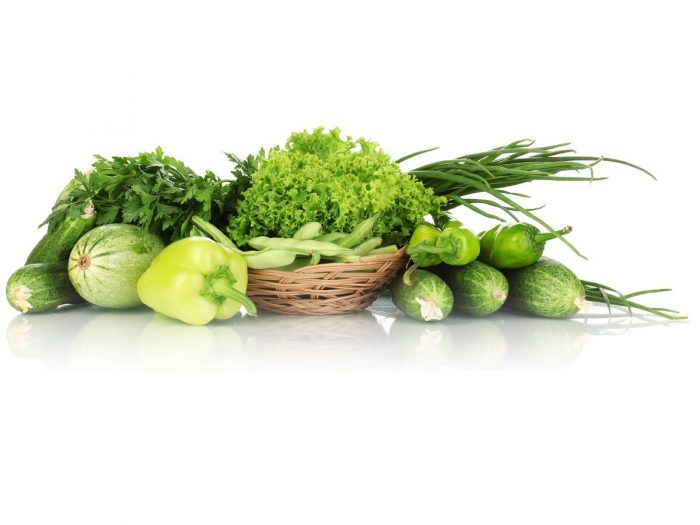
GreenvegetablesPrevents Asthma –Patients that suffer from chronic asthma may be able to normalize their breathing with the help of magnesium supplements that aid in relaxing the bronchial muscles and regulating breathing. Even wheezing and breathlessness can be relieved through administration of intravenous magnesium.
Keeps bones healthy – Magnesium is directly related to bone density, and subsequently, an inadequacy of this mineral in the body can be a cause of osteoporosis. Magnesium helps in the regulation of calcium levels in the body, along with vitamin D, copper, and zinc. Magnesium, along with calcium and Vitamin D, should be taken throughout the developmental years and adulthood, since it eliminates the chances of developing osteoporosis when you get older.
Essential during pregnancy – Magnesium is one of the vital elements to ensure a healthy pregnancy. Proper intake of magnesium supplements during pregnancy is extremely beneficial for reducing the risk of osteoporosis and increasing the pain tolerance level, thereby resulting in a smooth delivery process and an optimization of blood pressure. Magnesium sulfate is the best treatment for preventing eclamptic seizures in expectant mothers who may have hypertension.
Treats back pain and cramps – Magnesium helps treating people with severe backaches by relaxing back muscles, kidney stress and muscular tension. As mentioned earlier, magnesium also helps in the body’s absorption of calcium, which may lead to faster healing of the bones. Symptoms of cramps in the legs, as well as general fatigue are traditional symptoms of magnesium deficiency. Therefore, proper intake of magnesium supplements acts as a cure for chronic leg cramp problems.
Prevents heart attack – Deficiency of magnesium can result in heart disease, often leading to fatal results. Deficiency of magnesium brings a long list of hazards to your heart. Magnesium protects the heartfrom irregular heartbeats and tenderly shields your heart from damage, particularly from muscle stress. Magnesium actually calms the nerves and mediates digestive processes and prevents problems like vomiting, cramps, indigestion, abdominal pain, flatulence, and constipation, all of which can put undue stress on various parts of your cardiovascular system.
Prevents constipation – Magnesium provides quick relief from constipation, and a high dose of water-soluble magnesium supplements is known to bring sound relief for even the most severe constipated state. This laxative property of magnesium relaxes the intestinal muscles, thereby helping to establish a smoother rhythm while passing bowels. Magnesium also has another property of attracting water, which in turn softens the stool and helps it to pass easily.
Prevents diabetes and regulates sugar level – The health benefits of magnesium extend to diabetic patients also, as this mineral helps to regulate the insulin reaction to blood sugar levels. Magnesium supplements are vital for all diabetic patients as many of them suffer from magnesium deficiency. Magnesium aids in regulating blood sugar status, thus promoting normal blood pressure. Hypertension is one of the major reasons for an impending heart attack, and it has been found that many people with high blood pressure also have a magnesium deficiency. Therefore, extra nutrients and mineral supplements with magnesium content are vital in order to avoid any medical complications.
Cures psychiatric disorders – Magnesium is known to cure some of the worst forms of psychiatric dysfunctions such as panic attacks, stress, anxiety and undue agitation.
Cures migraines – Migraine attacks badly affect many Americans, especially, females.  Magnesium supplements and liquids considerably reduce the severity of such attacks and may also help in reducing the rate of recurrence.
Produces collagen –Magnesium is important for producing proteins that are slowly transformed into collagen. Collagens are naturally occurring proteins mostly found in fibrous tissues like tendons, ligaments and the skin. It is also present in the cornea, bones, the gut, cartilage, blood vessels, and intervertebral discs. The more collagen in the system, the stronger those areas of the body will become.
Absorb minerals –Magnesium helps to absorb vital vitamins and minerals like sodium, calcium, potassium and phosphorus. Mineral absorption usually occurs within the small intestine and this benefit of magnesium ensures the detoxification of many harmful toxins in our body.
Activates enzymes – Magnesium also helps to boost the energy production in the body and it promotes theactivation of enzymes to create cellular energy.
Controls bladder functions – Many people who have blabber problems and suffer from the frequent urge to urinate may find relief by taking magnesium supplements. Urination problems can come from a variety of reasons such as nephritis, infections, or sometimes interstitial cystitis; however, regular intake of magnesium can bring great relief to these ailments.

Dosage and side effects

The importance of magnesium is still not widespread or “common knowledge”, so many people ignore the importance of magnesium consumption in their diet. Most dietitians recommend 250-350 mg per day of magnesium supplement for adults.
The side effects of magnesium are very rare, but it is important to cover them.  Too much magnesium often leads to diarrhea, and most of the serious effects of excessive magnesium intake results because magnesium has a laxative quality. However, if you take magnesium in the form of nutritional supplements, there are fewer chances of such side effects.  People with kidney disease should avoid taking magnesium supplements without talking to a doctor

15 health benefits of methi


The seeds and leaves of methi (fenugreek) are readily available and widely used in Indian kitchen. They have a strong aroma and a bitter taste. But when used in small quantities they impart flavour to your food. It is commonly used in curries, vegetable dishes, dals and not to forget the mouth-watering methi paratha. But did you know that methi is a rich reservoir of medicinal properties too? Methi contains protein, fibre, vitamin C, niacin, potassium, iron and alkaloids. It also contains a compound diosgenin which has oestrogen-like properties, as well as steroidal saponins. These compounds impart many benefits to methi – from being your beauty product to being an answer to your health problems!
Here are 15 health benefits of methi (fenugreek):
Increase breast milk production
Fenugreek ranks high among the ‘must haves’ for nursing mothers. This is due to the presence of diosgenin in the spice which increases milk production in lactating mothers.
Induce and ease child birth


Fenugreek has been known to be helpful in inducing childbirth by stimulating uterine contractions. It is also known to reduce labour pain. But here’s a word of caution. Excess intake of fenugreek seeds during pregnancy could put you in risk of miscarriage or premature childbirth.
Ease women’s health problems
Fenugreek contains compounds like diosgenin and isoflavones with oestrogen-like properties which help reduce symptoms like discomfort and menstrual cramps associated with PMS. These compounds also ease menopausal symptoms like hot flashes and mood fluctuations. Women are more prone to iron deficiency during adolescence (initiation of menstrual periods), during pregnancy and breastfeeding. Including green leafy veggies like fenugreek (methi) in your diet can supply a good amount of iron. But make sure to add tomatoes or potatoes to the preparations to enhance the iron absorption.
Breast Enlargement
Want to enlarge your breasts? Include fenugreek in your regular diet. The oestrogen-like property of fenugreek can help in breast enlargement by balancing hormones in women.
Reduce cholesterol
According to studies fenugreek helps to reduce cholesterol level, especially that of the low density lipoprotein (LDL).
Reduce cardiovascular risk
Fenugreek seed has cardiovascular benefits due to the presence of galactomannan. It lowers the risk of heart attack. It is also an excellent source of potassium which counters the action of sodium to help control heart rate and blood pressure.
Control diabetes
Fenugreek is beneficial for people with diabetes.  Galactomannan, a natural soluble fibre present in fenugreek slows down the rate of sugar absorption into blood. Fenugreek also contains amino acid responsible for inducing the production of insulin.
Aid digestion
Fenugreek helps flush out harmful toxins. It relieves indigestion and helps treat constipation.
Cure acid reflux or heartburn
One teaspoon of fenugreek seeds in your food can be an effective remedy for acid reflux or heartburn. Mucilage of fenugreek seeds coat the lining of the stomach and intestine and sooth irritated gastrointestinal tissues. Before consuming, you can soak the methi seeds in water to make their outer coat mucilaginous.
Remedy for fever and sore throat
Fenugreek when taken with a teaspoon of lemon and honey can work wonders to reduce fever by nourishing the body. The soothing effect of mucilage in fenugreek also helps to relieve cough and pain from sore throat.
Prevent colon cancer
The fibre content (saponins, mucilage, etc.) of fenugreek binds to toxins in the food and flush them out. This in turn helps to protect the mucus membrane of the colon from cancers.
Lose weight by suppressing appetite
Include fenugreek in your weight loss diet by chewing soaked methi seeds in the morning on an empty stomach. The natural soluble fibre in the fenugreek can swell and fill the stomach thereby suppressing your appetite.
Cure for skin inflammation and scars

Apply a clean cloth soaked in methi seed paste for effective treatment of skin problems like burns, boils, eczema, etc. Fenugreek seeds also help in getting rid of scars.
Beauty product
Fenugreek can be an excellent ingredient for your home-made beauty product. Fenugreek can be used in face packs to help prevent blackheads, pimples, wrinkles, etc. Washing your face with water boiled with fenugreek seeds or applying a paste of fresh fenugreek leaves for twenty minutes on your face can work wonders for your skin.
Solution to hair problems
Using fenugreek as a part of your diet or as a paste to directly apply on your hair makes yourhair shiny and black. Massaging your head everyday with boiled fenugreek seeds soaked overnight in coconut oil can be an excellent remedy for thinning of hair and hair fall. What more? Fenugreek is also great to keep the dandruff away

Monday, February 22, 2016

Health Benefits of Peanuts (Mungfali)

Peanuts (Mungfali) are also known as groundnut belongs to the species of legume or beans family, Fabaceae. It was first cultivated in the Paraguay valleys. Some other names of the peanuts are earthnuts, goober peas, pygmy nuts, monkey nuts or pig nuts. As it has ‘nut’ word commonly in it’s all the names but the surprising thing is that it is not a nut, it is a legume. Even being a legume, it has all the properties of a nut. The peanuts have two sets of chromosomes from different species means amphidiploid or allotetraploid.
Mungfali is cultivated in the light, acidic and sandy loam soil and takes around 120 to 150 days to get fully ripened after planting of the seeds. China is considered as the world’s largest producer of the peanut. The other leading peanuts commercial producers are India, the United States, Nigeria and Indonesia.

BENEFITS OF PEANUTS/MUNGFALI

Peanuts are packed with the all the nutrients required to grow and develop the body including variety of health benefits. Some of the most significant health benefits of the peanuts I am pointing here:
Keeps Heart Healthy
  • Eating mungfali regularly provides your heart a hard shield to guard it from various complications. As it is a great source of the monounsaturated fats which decreases the risk of cardiovascular diseases and coronary heart diseases and makes the heart a healthy heart.
Reduces Risk of Cardiovascular Diseases
  • Peanuts are full of vitamin E, protein, niacin, p-coumaric acid, oleic acid (an antioxidant), folates, resveratrol (a phenolic antioxidant) and manganese contents which also reduce the risk of cardiovascular diseases and coronary heart diseases.
Improves Blood Flow to Brain
  • The phytonutrient Resveratrol (a flavonoid) found in the in peanuts helps in improving the blood flow to the brain and thus reduces the risk of stroke.
Keeps Blood Vessels Healthy
  • This phytonutrient stimulates the release of nitric oxide in the blood vessels lining (endothelium) which relaxes and dilates the blood vessel and thus increases the blood flow.
Protects from Cancer
  • Some of the nutrients available in the peanuts such as phytosterols, phytosterol beta-sisterol, resveratrol, folic acid, phytic acid (inositol hexaphosphate) and etc protects the body from cancer as they are anti cancerous.
Reduces Risk of Colon Cancer
  • People eating peanuts regularly have less risk of colon cancer.
Prevents from Gallstones
  • Having peanuts in the routine prevents the gallbladder diseases and gallstones.
Protects from Alzheimer’s Disease
  • Peanuts provide the protection against the Alzheimer’s disease as well as other age related cognitive decline as it is one of the good niacin rich foods.
Rich Source Source of Manganese
  • Peanuts assist in the fat metabolism, carbohydrate metabolism, blood sugar level, calcium absorption and etc because of the availability of a mineral called Manganese.
Fights with Depression
  • It also fights with the depression as it is the good source of tryptophan (an amino acid) which helps in producing serotonin. Serotonin is an important key brain chemical which aids in the mood regulation.
Boosts Memory Power
  • As peanuts are the good sources of Vitamin B3 (also called niacin), it boosts the memory power and promotes normal brain functioning.
Maintains Cholesterol Level
  • As it contains a mineral called copper, it assists in lowering the bad cholesterol levels and maintaining the good cholesterol level in the body.
Regularizes Body Organs Functioning
  • It maintains the smooth functioning of the body as it is loaded with the vitamins, minerals, proteins, folates and etc.
Maintains Functioning of Bowels
  • As it is rich source of dietary fibers, it is good for digestion and maintains the even functioning of the bowels, thus reduces the risk of colon cancer and gallstones.
Prevents from Osteoporosis
  • It greatly assists in the health of bones and teeth because of the calcium and vitamin D availability, thus reduces the risk of osteoporosis in later life.
Boosts Body Energy
  • It provides instant energy to the body as it is the good sources of all the nutrients like vitamins, minerals, anti oxidants and etc.
Contains High Level Protein
  • As it is loaded with the protein, it is very good for the growth and development of the body.
Reduces Risk of Stomach Cancer
  • One of the contents (poly-phenolic anti-oxidants: P-Coumaric acid) found in peanuts has capability to lessen the risk of stomach cancer by lowering the generation of carcinogenic nitrous-amines.
Protects from Free Radicals
  • Peanuts are famous for its antioxidant property. Its antioxidant property increases when it is eaten boiled. The level of Biochanin-A and Genistein (antioxidants) increases when it gets boiled which protects the body by the bad effects of free radicals.
Source of Important Minerals
  • Some of the most important minerals like calcium, potassium, copper, manganese, iron, magnesium, selenium and zinc are found in peanuts which aids in different body functions.
Improves Calcium Absorption
  • High magnesium content of the peanuts makes the teeth and bones healthy by increasing the calcium absorption in the body.
Maintains Fluid Level
  • Low sodium content of the peanuts helps in maintaining the healthy water retention as well as healthy heart.
Regulates Blood Pressure
  • A sufficient amount of potassium in the peanuts helps in maintaining the healthy muscle function of the body as well as regulating the normal blood pressure.
Prevents from Disorders of High Blood Glucose Level
  • It also aids in sugar metabolism thus protects from hypoglycemia, obesity, weight gain, diabetes, kidney diseases and etc.
Regulates Functioning of RBC
  • The iron content of the peanuts maintains the accurate functioning of the red blood cells
Prevents from Breast Cancer
  • Eating peanuts regularly lessens the risk of breast cancer in girls or women.
Benefits of Peanuts for Weight Loss
Maintains Weight
  • Eating peanuts regularly reduces the risk of weight gain to a great extent. It promotes the weight loss as it controls the hunger pangs without any fear of weight gain.

Benefits of Peanuts in Pregnancy

Improves Fertility
  • Peanuts or mungfali help in promoting the fertility because of its folates availability.
Nourishes Baby
  • Eating peanuts during the pregnancy helps a mother to give birth to a baby without any serious neural tube defect.

Benefits of Peanuts for Skin

Keeps Skin Healthy
  • As peanuts are the good sources of the Vitamin E, it plays a great role towards maintaining the integrity of mucous membrane cells and skin.
Prevents from Sun Damage and Ageing
  • High levels of vitamin E of the peanuts protect the body from aging and sun damage by nourishing the skin. It makes the skin shiny, toned and youth.

Benefits of Peanut Butter

Loaded with Healthy Nutrients
  • Peanut butter is also loaded with all the healthy nutrients and provides the same healthy results like whole peanuts. Though, peanut butter has high calorie and high protein levels.

Nutritional Benefits of Peanuts/Mungfali per 100 g

(Source: USDA Nutrient Database)
Energy: 570 kcal
Carbohydrates: 21 g
Sugars: no sugar
Dietary fiber: 9 g
Fat: 48 g
Saturated fat: 7 g
Monounsaturated fat: 24 g
Polyunsaturated fat: 16 g
Protein: 25 g
Amino acids:
Tryptophan: 0.2445 g
Isoleucine: 0.882 g
Cystine: 0.322 g
Leucine: 1.627 g
Lysine: 0.901 g
Threonine: 0.859 g
Phenylalanine: 1.300 g
Valine: 1.052 g
Methionine: 0.308 g
Arginine: 3.001 g
Glutamic acid: 5.243 g
Tyrosine: 1.020 g
Glycine: 1.512 g
Histidine: 0.634 g
Alanine: 0.997 g
Proline: 1.107 g
Serine: 1.236 g
Aspartic acid: 3.060 g
Water: 4.26 g
Vitamins:
Thiamine (B1): 0.6 mg
Riboflavin (B2): 0.135 mg
Niacin (B3): 12.9 mg
Pantothenic acid (B5): 1.8 mg
Vitamin B6: 0.3 mg
Folate (B9): 246 μg
Vitamin E: 8.33 mg
Electrolytes:
Sodium: 18 mg
Potassium: 705 mg
Minerals:
Calcium: 62 mg
Phosphorus: 336 mg
Iron: 2 mg
Magnesium: 184 mg
Zinc: 3.3 mg
Copper: 1.144 mg
Manganese: 1.934 mg
Selenium: 7.2 µg

Nutritional Benefits of Roasted and Salted Peanuts per 1 oz

(Source: USDA Nutrient database)
Calories: 166 g
Protein: 6.7 g
Carbohydrates: 6.1 g
Dietary Fibers: 2.3 g
Fat: 14.1 g
Saturated Fat: 2.0 g
Monounsaturated Fat: 7.0 g
Polyunsaturated Fat: 4.5 g
Omega 6 fatty acid: 4.5 g
Omega 3 fatty acid: small
Vitamins:
Vitamin E: 2.2 mg
Folate: 41.1 mcg
Thiamin: 0.12 mg
Riboflavin: 0.03 mg
Niacin: 3.8 mg
Pantothenic acid: 0.39 mg
Vitamin B6: 0.07 mg
Minerals:
Zinc: 0.94 mg
Copper: 0.19 mg
Selenium: 2.13 mcg
Magnesium: 50 mg
Phosphorus: 101 mg
Iron: 0.64 mg
Calcium: 15 mg
Electrolytes:
Sodium: 230 mg
Potassium: 187 mg
Arginine: 0.8g
Phytosterols: 62.4 mg
Beta-sitosterol: 18.4 mg

Nutritional Benefits of Peanut Butter per 2 tsf

(Source: USDA Nutrient database)
Calories: 188 kcal
Proteins: 8.0 g
Carbohydrates: 6.3 g
Dietary Fibers: 1.9 g
Fat: 16.1 g
Saturated Fat: 3.3 g
Monounsaturated Fat: 7.6 g
Polyunsaturated Fat: 4.4 g
Omega 6 fatty acid: 4.4 g
Omega 3 fatty acid: trace
Vitamins:
Vitamin E: 2.9 mg
Folate: 24 mcg
Thiamin: 0.03 mg
Riboflavin: 0.03 mg
Niacin: 4.3 mg
Pantothenic acid: 0.34 mg
Vitamin B6: 0.17 mg
Minerals:
Magnesium: 49 mg
Phosphorus: 115 mg
Calcium: 14 mg
Zinc: 0.94 mg
Copper: 0.15 mg
Selenium: 1.8 mcg
Iron: 0.60 mg
Electrolytes:
Sodium: 160.0 mg
Potassium: 208 mg
Argenine: 0.96 g
Phytosterols: 33 mg
Beta-sitosterol: 43.2 mg

Nutritional Benefits of Peanut Oil per 1 tsf

(Source: USDA Nutrient Database)
Calories: 119 kcal
Fats: 13.5 g
Saturated Fat: 2.3 g
Monounsaturated Fat: 6.2 g
Polyunsaturated Fat: 4.3 g
Omega 6 fatty acid: 4.3 g
Vitamin E: 2.1 mg
Phytosterols: 28 mg
Beta-sitosterol: 25.7 mg
Tips for getting more Benefits from Peanuts:
  • Make a habit of eating soaked peanuts with other dried fruits.
  • Buy natural peanut butter without sugar and salt as well as the pesticide content.
  • Try to eat simply plain roasted peanuts without much salt or sugar or oil.
How to Select and Store
Always try to buy fresh peanuts from the market during season to avoid buying stored peanuts from the market (as chemicals used in storage may seriously harm the health). Always buy bright colored, hard, well skinned and raw peanuts from the market. Avoid buying wrinkled, spotted, black skinned, broken and bad smelling peanuts from the market. It can be stored very safely at room temperature (at cool and dry place) for months.
How to Enjoy
It can be enjoyed in many ways such as eating raw, roasted, salted, sweeten, peanut butter, laddoo, soaked, with other dry fruits, peanut sweet dalpatti and etc. It can also be added to the kheer, chatni, soup, pasta and so many dishes.
Disadvantages of Peanuts
  • As peanuts contain oxalates which may cause some health problems. Peanuts should be avoided eating by people with kidney or gallbladder problems as the oxalates content of it may hinder with the calcium absorption (lower calcium absorption) in the body.
  • Peanuts may have aflatoxin, a toxin from Aspergillus flavus, (a carcinogen which is more toxic than DDT) which may lead to the mental retardation as well as lowered intelligence.
  • People suffering from the thyroid problems should also avoid eating peanuts as it contains goitrogens which may interfere with thyroid gland functioning.
  • As peanuts are high in calories, overeating of peanuts may cause quick weight gain.
  • As it has high levels of saturated fat, overeating of the peanuts of may lead to some major complications like blocked arteries, digestive problems, heart problems, high blood pressure and etc.
How Much Peanuts Should You Eat A Day
A handful (means an ounce or 30 g) of the peanuts can be eaten a day. But overeating of peanuts should be avoided in order to get away from its complications or disadvantages.