Sunday, July 24, 2016

Child birth labour

Nine months of weird cravings, swollen breasts, squished lungs and no waistline leads up to the inevitable climatic point of pregnancy; labour. There are many rumours, myths and old wives tales that might make you feel unsettled, unprepared and downright terrified of this time-honoured rite of passage to motherhood.


Knowing what happens during labour and delivery can help relieve any fear or anxiety. Huggies has collected the following information, hints and tips to help prepare you for what is probably the most momentous event in your life.

PREPARING FOR LABOUR


Your big day is looming and it’s most likely going to be a roller coaster ride – scary and exciting all at the same time. One of the best ways you can ensure your labour is successful is proper preparation. You need to decide on several things in regard to your labour, including whether you will have a home birth or a birth in a hospital. Many hospitals give you a choice of going into a labour ward or a birthing centre. Birthing centres are usually for ‘natural’ births requiring no intervention and where the mother doesn’t want an epidural. Some have baths for water births.
If you do have a home birth, you will need to arrange a midwife. You may go into labour before or after your due date so it’s a good idea to start preparing a few weeks before your due date. You should get a hospital bag ready; this bag should be prepped way ahead of time. Some hospitals are a little pedantic about what you are and aren’t allowed into the hospital so it might be a good idea to check beforehand.

You should also ensure you have a car seat fitted for your little one’s journey home as well as nappies and baby clothes so your tot is comfortable and warm. It is a great idea to do a labour test run, where you get everything together and make a trip to the hospital. Many women are unsure about when labour actually starts, there are a couple of warning signs that signal the imminent onset of labour, but these signs can differ between women. Check out these signs and indicators in the signs of labour page so you are aware of what to look for. You should also understand that there are some different indicators for a premature birth, all these signs and symptoms are covered in Premature Birth: Signs and treatment of pre-term labour.
Labour can last a long time, and if you are relaxed about it, you should try to stay at home for as long as possible. If your contractions are arriving with 5 minutes intervals or less, if your water breaks, or you are bleeding, then it is a good time to make your way to the hospital. You should also have a reliable birth partner available to help you through the labour process. Here are the qualities and responsibilities that you should look for in a birth partner.

STAGES OF LABOUR

There are three distinct stages of labour, all with their own unique qualities and characteristics. Your first stage of labour is characterised by dilation of your cervix brought on by contractions. Your contractions will change from a dull cramp feeling into rhythmically occurring pain that comes at regular intervals. Due to this your cervix will become softer and more stretchy during its preparation for the baby. You should try to relax as much as possible and settle into a position that is comfortable for you. You should also go to the bathroom as often as possible to make sure your bladder is empty.
The second stage of labour is when your cervix is fully dilated, you push your baby down the birth canal and this stage ends with the birth. It helps to get into an upright position so that gravity can help the birth process. Don’t forget to breathe either! If you have had an epidural and can’t feel much, you need to listen carefully for instructions from your doctor or midwife.
Did you know that you are still in labour even after your baby is born? This is known as the third stage of labour. Your contractions might stop for a bit, giving you some false hope, but will start up again so that the placenta can be delivered (although they won’t be anywhere near as intense as your contraction from the first two stages). Some hospitals can give you an injection to nudge the placenta out of your body making the process easier for you. After you have ‘delivered’ the placenta, your midwife or doctor will check that everything is ok and that will pretty much be the end of your labour. Huggies has more detailed information on each stage of labour, so explore and get all the information to put your mind at ease

Taking Folic Acid Before You Get Pregnant

Research shows that women who take vitamins

 that contain folic acid may lower the risk

 that their baby will be born with a birth 

defect called a neural tube defect. Between 2

 and 4 babies of every 1000 babies born in 

Canada have neural tube defects.


What is a neural tube defect ?

A neural tube defect happens when something interferes with the way the baby grows before he or she is born. The two most common conditions in which neural tube defects occur are spina bifida and anencephaly. These conditions may be prevented if women take enough folic acid before and while they are pregnant. Spina bifida happens when the spine does not develop normally. Anencephaly happens when the skull and the brain do not develop normally.

What is folic acid ?

Folic acid is a vitamin. Folic acid, also called folate or folacin, is found in some vitamin pills.

How do you make sure you get enough folic acid ?

All women should take vitamins that contains folic acid before they get pregnant. You can get some folic acid from eating some foods. But it is hard to get enough folic acid from your diet. It is better to take vitamins that contain folic acid.
Examples of foods that have a large amount of folic acid are:
  • grains such as whole-wheat bread.
  • dark green vegetables such as spinach and broccoli.
  • meat such as liver.
  • beans such as lentils and kidney beans.

Why take folic acid before you get pregnant ?


Neural tube defects occur 25 to 29 days after a woman gets pregnant. At that time, many women are not even aware that they are pregnant.
Because these defects form so early, you should begin taking vitamins that contain folic acid before you get pregnant. Begin taking folic acid when you stop using birth control.
Women need more folic acid during pregnancy and breastfeeding than they do normally. So you should continue taking folic acid all the time that you are pregnant.


How much folic acid should you take ?


The Society of Obstetricians and Gynaecologists of Canada (SOGC) and the Motherisk Program jointly released updated clinical guidelines in December, 2007, based on new research about the benefits of folic acid supplementation for women planning to have children. The guidelines were published in The Journal of Obstetrics and Gynaecology Canada (JOGC) which is Canada's peer-reviewed journal of obstetrics, gynaecology, and 
women's health.


The guidelines highlight more current research and clinical trials that further demonstrate the positive, preventative benefit of increasing the level of folic acid intake, along with a multivitamin, at least three months prior to conception. This research concludes that an increase in folic acid supplementation can dramatically reduce birth defects such as neural tube defects (e.g. spina bifida), and possibly other birth abnormalities such as congenital heart disease, urinary tract problems, oral facial clefts, limb defects, and some pediatric cancers.

Folic acid helps produce and maintain new cells, and is important during the early embryonic and fetal periods when rapid cell division and growth are occurring. The authors of the guideline estimate that the incidence of some birth defects could be cut in half if women of childbearing age consumed an adequate amount of folic acid, either by eating sufficient quantities of food fortified with folic acid or by taking vitamin supplements.
It is estimated that at least 5% of babies are born with some serious congenital abnormality, while another 2% to 3% have defects that can be recognized prenatally (e.g. by non-invasive screening test, through invasive diagnostic testing, or at birth) and 2% will have developmental or functional anomalies recognized during the first year of life. Due to prenatal screening and awareness programming about folic acid supplementation, the birth prevalence of neural tube defects has declined in Canada from a rate of ten per 10,000 live births in 1991 to 5.8 per 10,000 total births (live births and stillbirths) in 1999. The multidisciplinary panel that authored the guidelines suggests that adherence to new standards of folic acid supplementation could accelerate these improving rates dramatically.

Specifically, the clinical guidelines recommend that:

Women with no personal health risks, planned pregnancy, and good compliance require a good diet of folate-rich foods and daily supplementation with a multivitamin with folic acid (0.4-1.0 mg) for at least two to three months before conception and throughout pregnancy and the postpartum period (4-6 weeks and as long as breastfeeding continues).
Women with compromised health or particular health conditions such as insulin dependent diabetes, obesity, or those with a previous child in the family with a neural tube defect require increased dietary intake of folate-rich foods and daily supplementation, with multivitamins with 5 mg folic acid, beginning at least three months before conception and continuing until 10 to 12 weeks post conception. From 12 weeks post-conception and continuing throughout pregnancy and for four to six weeks after the baby is born (or as long as breastfeeding continues), supplementation should consist of a multivitamin with folic acid (0.4-1.0 mg).
Extra efforts need to be made to counsel more vulnerable women (e.g. those with a variable diet, no consistent birth control, and possible substance use) about the prevention of birth defects and health problems via folic acid and multivitamin supplementation. It is recommended that they also receive a higher dose of folic acid (5 mg) with multivitamin
All women who plan to have children are advised to start their folic acid supplementation as early as three months before they conceive.
Women taking a multivitamin containing folic acid should not take more than one daily dose of vitamin supplement, as indicated on the product label.
The federal government should consider increasing the fortification of flour with folic acid to 300 mg/100 g from the current level of 140 mg/100 g and additional fortification with multivitamins. Since 1998, there has been mandatory folic acid fortification of white flour, enriched pasta, and cornmeal in Canada.
Women of childbearing age are advised to maintain a healthy diet, as recommended in Eating Well With Canada's Food Guide (Health Canada), in addition to folic acid and multi-vitamin supplementation. Foods containing excellent to good sources of folic acid are fortified grains, spinach, lentils, chick peas, asparagus, broccoli, peas, Brussels sprouts, corn, and oranges. (NB: Despite this dietary advice, it is unlikely that diet alone can provide the levels recommended for those planning to have children.)
Health professionals such as physicians, gynaecologists, obstetricians, mid-wives and public health officials should increase their efforts to make women aware of the new facts about folic acid supplementation during the normal course of their interaction with women seeking health services such as a PAP test, an annual exam or the renewal of birth control prescriptions.

Are there tests for neural tube defects ?

All women can have either a blood test or an ultrasound to test for neural tube defects when they are 3 to 6 months pregnant. (An ultrasound takes a picture of the baby while the baby is still inside the mother).
Discuss which test you should have with your doctor. These tests will not harm your baby. Your doctor will know from the tests whether your baby has a neural tube defect.


Where can you get more information ?

Talk to your doctor about taking folic acid before you get pregnant. You can also visit www.sogc.org for more information about the new folic acid guidelines. Spina bifida and other conditions caused by neural tube defects can be prevented. Give you baby a healthy start on life.

Friday, May 6, 2016

JOINTFIR OR MORMON TEA PLANT: PROBABLY DOES NOT CONTAIN EPHEDRINE: HEALTH BENEFITS OF MORMON'S TEA

MORMON TEA PLANT, JOINTFIR, EPHEDRA NEVADENSIS 
The evergreen shrub known as Jointfir, or Mormon Tea plant is native to the south-western US. As the Mormons are not allowed to drink coffee because it is a stimulant (containing, as it does, caffeine) the twigs of this plant are used to make a tisane or tea, hence the name. The plant does not have leaves as such but has spiky green twigs, which resemble a fir tree’s needles (for example those of the European silver fir).
  The flowers are reminiscent of those of the Greek mountain tea plant, and these bloom in April through to the end of June. The fruit is a smooth brown nutlet which can be cooked although it tastes bitter, and it may be roasted and ground to make flour for using in making bread.
  This plant is in the Ephedraceae family, making it a close relative of the Sea grape,Ephedra distachya. Because it is in the Ephedra genus, it was supposed that it has the same properties as other plants in that genus; but it seems that this is not the case. This plant contains no, or very few, Ephedra alkaloids, according to the European Food Standards Agency’s (EFSA) report of 2009. That being the case, most of what has been written about the plants’ psychoactive properties online is probably not true.
  Mormon tea is made by taking the twigs of the plant and infusing them to make a tea or tisane. Both the fresh and dried twigs can be used, and for drying purposes the green twigs can be harvested at any time of the year.
  Traditionally the tea was made by Native Americans who used it medicinally as a blood purifier, diuretic and to lower the temperature of the body during fevers. It was also used as a general tonic and for kidney, urinary-genital problems and STDs.
  The plant does not contain ephedrine, or at least, not much, so all the literature regarding this compound does not apply to this particular member of the Ephedra genus.            
  The fruit from the plant can be eaten raw, although it is a little bland, but sweet, and the twigs can be chewed to treat the symptoms of asthma, but not the root cause. It makes respiratory problems easier, but does not cure them.
  There are rarely any side effects if you drink Mormon tea in moderation, although you may experience some if it is drunk to excess.
  The plant does contain the compounds, kynusenates, which have antimicrobial properties, and it is a very effective diuretic and because of this property, it can contribute to weight loss.

Thursday, May 5, 2016

Health Benefits Of Kumquats

A small round to oval citrus fruit, the kumquat resembles a tiny orange. The kumquat grows on trees that originated in China. It can be found in California, Florida, the Mediterranean countries, China, Japan, Indochina, Indonesia, Israel, Peru, and Brazil.


Varieties

Kumquat hybrids, when crossed with other citrus fruits, include the limequat, lemonquat, orangequat, and the calamondin (a cross with the mandarin orange).

Buying and storing tips

Kumquats are occasionally sold with a decorative stem and leaves attached. Avoid fruits with damaged skin and those that feel soft.

Availability

The peak season for kumquats is November through February.

Preparation, Uses, and Tips

In this fruit, the rind is edible, tender, and sweet, while the flesh can be dry and very tart, compared with oranges. Kumquats are usually eaten raw, as whole fruit, excluding the seeds. They make a striking garnish, especially when used with the leaves still attached. As with other citrus fruit, kumquats can be candied, marinated, prepared as marmalade, added to fruit salad, poached, or preserved whole.

Nutritional Highlights
  • Kumquat (raw), 1 fruit (19g)
  • Calories: 12
  • Protein: 0.17g
  • Carbohydrate: 3.1g
  • Total Fat: 0.02g
  • Fiber: 1.25g
  • *Good source of: Vitamin C (7.1mg)


*Foods that are an “excellent source” of a particular nutrient provide 20% or more of the Recommended Daily Value. Foods that are a “good source” of a particular nutrient provide between 10 and 20% of the Recommended Daily Value.

Health benefits and concerns

Allergies and sensitivities (food and chemical)

A low-allergen diet, also known as an elimination diet, is often recommended to people with suspected food allergies in order to find out if avoiding common allergen foods gives relief from symptoms. This diet eliminates foods and food additives considered to be common allergens, including citrus fruits. Some popular books offer guidance to people who want to attempt this type of diet. Most elimination diets are quite restrictive and increase the likelihood of nutritional deficiencies. A successful elimination diet is usually followed by reintroduction of eliminated foods one at a time, to see which ones are truly allergens for the individual person and therefore need to be eliminated indefinitely. Strict avoidance of allergenic foods for a period of time (usually months or years) sometimes results in the foods no longer causing allergic reactions. Restrictive elimination diets and food reintroduction should be supervised by a qualified healthcare professional.

Hives

Allergy to foods and food additives is a common cause of hives, especially in chronic cases. Citrus fruits are among those foods most commonly reported to trigger hives. Numerous clinical studies demonstrate that diets that are free of foods that commonly trigger allergic reactions typically produce significant reductions in symptoms in 50–75% of people with chronic hives. People with hives should investigate the possibility that food allergies are causing their problem by consulting with a doctor.

Kidney stones

Citric acid is found in citrus fruits and may protect against kidney stone formation. Lemons are the best food source commonly available. One preliminary trial found that drinking 2 liters (approximately 2 quarts) of lemonade per day improved the quality of the urine in ways that are associated with stone prevention. Lemonade was far more effective than orange juice. The lemonade was made by mixing 4 oz lemon juice with enough water to make 2 liters. The smallest amount of sweetener possible should be added to make the taste acceptable. Further study is necessary, however, to determine if lemonade can prevent recurrence of kidney stones

Friday, April 8, 2016

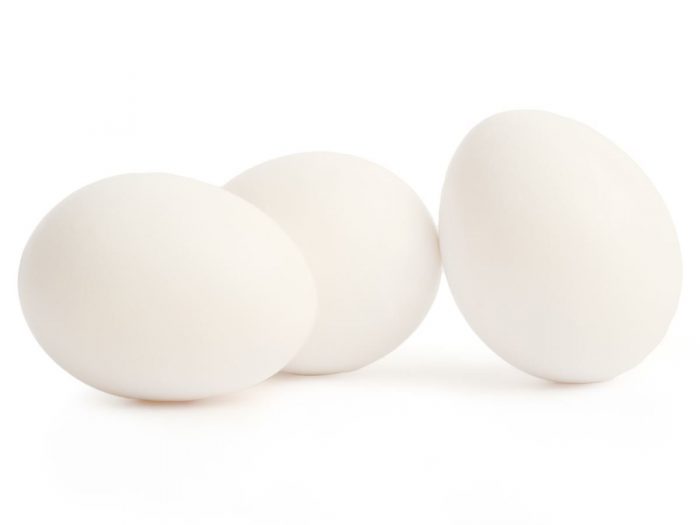
Health Benefits of Eggs

Some of the many health benefits of eggs include their ability to balance nutrient intake in the body, lower “bad” cholesterol levels, increase cognitive function, protect the heart, prevent eye disease, detoxify the body, prevent certain cancers, help you lose weight, and guarantee proper growth and development.

Eggs

Eggs are some of the most fascinating parts of our diet, simply because they themselves are so unique. Eggs are reproductive shells laid by females of numerous species, including fish, reptiles, and, in terms of human nutrition, birds. While fish eggs are also eaten in a number of cultural dishes and national cuisines, bird eggs are the most commonly consumed variety of eggs by humans, and out of bird eggs, chicken eggs are by and large the most popular. Eggs have been a part of the human diet for thousands of years, as they were discovered early on in our cultural development as a safe and beneficial form of food that could be acquired and cultivated along with a second form of food – chicken.

eggs

Eggs have become a staple part of diets across the world, as they are not only a food source in and of themselves, but they also function in the creation of hundreds of other meals and ingredients necessary for cooking a limitless range of food. The question is, besides its widespread availability, why have eggs become such an inherent part of global cuisine? Eggs are unique in their protein content, as they are rich with the “stuff of life”, which would have developed into a baby chick, and eventually, a chicken, which is another key food in human diets. The list of foods in which eggs can be found would be an article all by itself, but suffice to say that eggs constitute an essential part of the human diet for a number of reasons, and should definitely be considered when trying to eat right.

Nutritional Value of Eggs

Eggs are so widely loved and used because they provide a powerhouse of nutrients inside their tiny package. There are enough nutrients in an egg to develop a single cell into a baby chick, and we need many of those same nutrients! Eggs contain significant levels of vitamin A, B-complex vitamins,vitamin D, E, and K, as well as phosphorous, selenium, calcium, and zinc. Furthermore, eggs also have various key organic compounds, such as omega-3s, antioxidants, and protein.

Health Benefits of Eggs

Growth and Development: There is a reason why eggs are such an important food staple in our formative years; it seems like breakfast almost always contained an egg while we were young! The high concentration of protein, as well as other essential vitamins, means that our bodies can develop at a normal rate and get all of the necessary nutrients to grow properly and set young people on a trajectory for lifelong health. Protein is necessary for cell creation, which means that every part of our body, every organ, hair, blood vessel, and bone in some way relies on protein to exist. Also, protein is necessary for repair and regrowth, so it is a lifelong necessity for us that we can acquire through eggs!
Heart Health: While there has been significant criticism in recent decades about the potential dangers of eggs onheart health, due to its admittedly high content of cholesterol, many people don’t look at the type of cholesterol, nor its effect on the body. Most studies have actually shown eggs to protect against strokes and improve heart health, as the “good cholesterol” (HDL cholesterol) levels increase, which can help to eliminate “bad cholesterol” in the body. By lowering LDL cholesterol levels, eggs help to avoid atherosclerosis, blood clots, strokes, heart attacks, and other serious cardiovascular conditions!
Weight Loss Efforts: Since eggs are so full of those important proteins that our body needs for development, eggs also tend to be a very satisfying and filling form of food. They provide energy and nutrient stability in our body and satisfies our hunger. Eggs can be a great way to get the healthy balance you need without consuming excess calories, which is a great way to lose weight or keep your weight down.
Cognitive Effects: One of the lesser known benefits of eggs is its impact on cognitive health, primarily due to the high levels of choline present. Choline is often grouped with B-vitamins, but in fact, it is a somewhat unknown nutrient that helps to create critical neural pathways in the brain. About 90% of the population is estimated to get less choline than the body requires, but whole eggs supplies choline in large quantities!
Antioxidant Activity: It seems as though any food with antioxidant capacity is considered healthy, but many people forget that eggs contain various antioxidants, including vitamin A, lutein, and zeaxanthin. Vitamin A works as an antioxidant in a number of areas in the body, but works particularly well with lutein and zeaxanthin in the eyes to protect against macular degeneration and the development of cataracts. Antioxidants are able to seek out free radicals and neutralize those dangerous particles (formed as byproducts of cellular metabolism) before they can cause oxidative stress on body organs, resulting in chronis diseases, such as cancer and heart disease.
Rare Minerals: The mineral composition of eggs is wonderful, but it is also unique, in that it can be difficult to obtain certain minerals, like iodine and selenium, in our diets. Eggs are so versatile and universal that we can almost unconsciously stay balanced by eating eggs, ensuring that the those rare minerals keep our antioxidant activity up (selenium) and maintain healthy hormonal functioning in our thyroid (iodine).
Importance of Cage-Free and Free Range Eggs
All of these important health benefits are derived, in part, from the condition in which the hen was raised. The diet that the mother hen has will obviously be reflected in the nutrient content of the egg. For that reason, it is a far better choice to consume pasture-fed eggs, as they have consistently been shown to have higher omega-3 content, vitamin E content, tend to be larger, and are more densely packed with nutrients.
While the price tag might be slightly higher for organic, free-range, or cage-free eggs, if you are serious about getting the most health benefits out of eggs that you can, dig a bit deeper in your pockets for those extra coins.
A Few Words of Warning
While eggs are obviously major sources of nutrients for the human population, there is a high level of cholesterol in them, which can be dangerous for people suffering from hypercholesterolemia and certain gene disorders should be cautious. Furthermore, some studies have shown an increase in negative effects between Type II diabetes patients and excessive egg consumption, but further study on that point still needs to be conducted.

Health Benefits of Quail Eggs

Some of the most important health benefits of quail eggs include their ability to improve vision, boost energy levels, stimulate growth and repair, improve the metabolism, reduce blood pressure, soothe allergies, cleanse the body, and prevent chronic diseases.

Quail Eggs

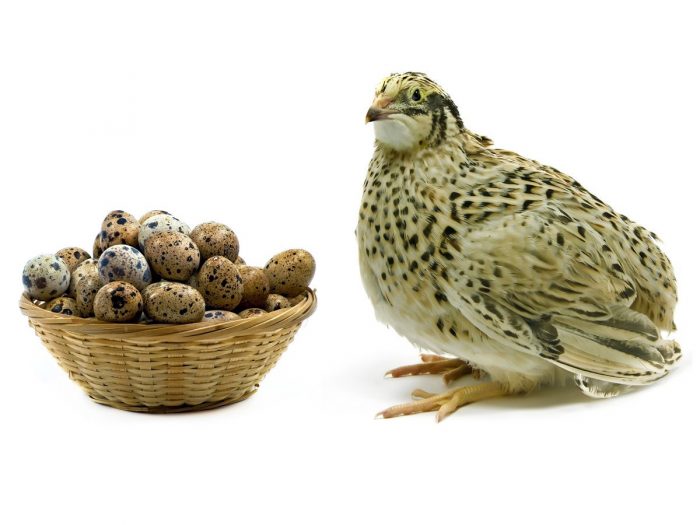
As the name implies, quail eggs are the eggs laid by various species of quail, which are in the orderGalliformes.  Quail are mid-sized birds found through Europe, North Africa, the southern United States and parts of Asia. Quail eggs are notably smaller than duck and chicken eggs, and are widely consumed and sold as novelty foods around the world. They are popular in Japanese bento boxes, and are typically eaten 3-5 at a time, due to their small size. Aside from being considered “cute” in many cultures, they are also packed with nutrients that make them a delicious and healthy option to add to your daily or weekly diet.
quaileggs
Despite the prevalence of quail in the United States, consumption of quail eggs is dominated by the Asian market, where they are commonly hawked as inexpensive street food, but the rich, flavorful yolk has increased the demand for these eggs in many different culinary areas. They have a higher yolk-to-white ratio than normal eggs, which can make them potentially dangerous for people with elevated cholesterol, but generally, quail eggs are considered very healthy. That being said, let’s take a closer look at some of the health benefits of quail eggs.

Health Benefits of Quail Eggs

Improve Vision: There is an impressively high level of vitamin A found in quail eggs, which means that it helps to protect our vision and eye health. The antioxidant activity of vitamin A can help to reduce macular degeneration and prevent the development of cataracts, helping you see better for longer!
Balance Cholesterol: There are a good amount of beneficial fatty acids found in quail eggs that many people enjoy due to their heart-boosting effects. HDL cholesterol is the “good” form of cholesterol that our body needs to offset the negative effects of LDL cholesterol, and HDL makes up more than 60% of the fat in quail eggs. However, for people with pre-existing cholesterol problems, adding large quantities of these eggs to your diet might not be the best choice, as there is roughly 1.6 grams of saturated fat in each serving.
Stimulate Growth: Just like with regular chicken eggs, quail eggs provide a solid boost of protein to the diet, which we need for countless processes in our body. Proteins are broken down into their constituent components and reformed for new cells, tissue, muscle, bone, and blood vessels. The protein punch of these eggs can ensure healthy and normal growth/repair.
Reduce Blood Pressure: There are a number of essential minerals found in quail eggs, and potassium happens to be one of them. Although the cardio-protective effects of quail eggs is still under heavy research, the presence of potassium means blood pressure-reducing abilities, as this mineral acts as a vasodilator, relieving strain and stress on the arteries and blood vessels. There is also FAR more potassium in quail eggs than in normal chicken eggs.
Cleanse the Body: Detoxifying the body is important, particularly in a world filled with toxins, pollutants, and heavy metals. Studies have shown that adding these eggs to your diet can help eliminate toxins from the blood stream, as help to reduce the size of bladder stones and kidney stones.
Prevent Chronic Disease: Antioxidants are crucial components of human health, as we are constantly battling free radicals that cause chronic disease and cancer. Quail eggs possess significant levels of vitamin C and vitamin A, which can help to neutralize those free radicals and protect your overall health.
Soothe Allergies: Quail eggs are naturally high in ovomucoid protein, which acts in the body as a natural anti-allergenic. Therefore, if you are suffering from congestion, inflammation, or other symptoms of allergic reactions, quail eggs can get your body back to normal.
Increase Metabolism: The range of B-family vitamins that are found in quail eggs result in boosted metabolic activity throughout the boxy, including hormonal and enzymatic function. By ensuring smooth bodily processes and organ functions, quail eggs can be far more than a delicious treat!
Raise Energy Levels: The long list of minerals and micronutrients found in these tiny eggs, as well as the protein boost of nearly 6 grams per serving, makes these eggs particularly good for an early morning surge of energy and mood. A high-protein, nutrient-dense breakfast is highly recommended for those who often feel dependent on caffeine or other stimulants to regulate their energy levels.
A Final Word of Warning: As mentioned, there is a moderate amount of saturated fat in these eggs, so any consumption should be made in moderation, and any major alterations to your diet should be approved by a trained medical professional. Aside from that, crack open a quail egg and enjoy!

Sunday, April 3, 2016

What to eat when you're pregnant


If a lady needs to be in great shape and in her most better self, that time should be when she is expecting. Maternity takes a lot of liability because whatever you do and whatever you eat and drink, you will either be helping or harming the child inside of you. Knowing excellent nutrition plan for expecting lady will create the child better as well.

We are often advised by physicians and friends on the best foods for expectant mothers but the record is too long. Hence, so as not to confuse your life, here are a few suggestions for a powerful diet plan for expectant mother.

Fortified with several must-haves like metal, vitamin b folic acid and roughage, the whole grain are some of the things that shouldn't be wrong in the diet plan plan program for expectant mothers.

Another important part of the diet plan plan for expecting ladies includes Fish, which is on the record of best diet plan for expectant mother. An excellent source of omega-3 human extra fat, the Fish, whether broiled, cooked or added to a healthy salad, works to keep child's brain and eyes better.

Beans contain the following key nutrients: calcium mineral, metal, zinc oxide and vitamin b vitamin b folic acid, aside from the roughage and proteins as well.

Eggs are some of the most common nutritional value that should be present in the diet plan plan. Providing aminoacids which are important to the mom and child, egg also provide proteins to one's human body. However, create sure that the egg you consist of in the proper diet plan for expectant mothers are not raw egg or are not offered. 
Berries which are a excellent meals are great as add-ons to treats and contain such nutrients as blood potassium, vitamin b vitamin b folic acid and roughage.

We've heard so many benefits on the use of natural yogurt in one's diet plan. But to be able to remember how important natural yogurt is, keep in thoughts that natural yogurt provides more calcium mineral to one's human body than dairy products. Hence, it is crucial that we consist of this among the meals for females who are expecting.

It is but natural to follow a tight diet plan for expectant mothers especially if it is said to have assisted a lot of women able to consider. The right diet plan does not also just help address sterility issues in general but is important in allowing a person achieve health and fitness too. To sum it up, keep a balanced view, know your options and trust that you can.